

Henry ohne Maske
Documentary
Overview
RTL documentary about the career of Henry Maske.




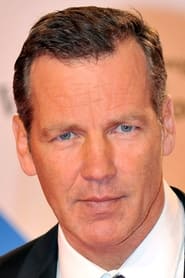
Henry Maske
Henry Maske
himself
Henry Maske
himself
Norbert Langer
Norbert Langer
Narrator
Norbert Langer
Narrator
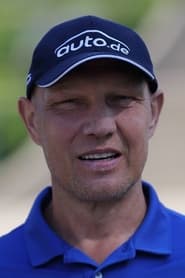
Axel Schulz
Axel Schulz
himself
Axel Schulz
himself

Manfred Wolke
Manfred Wolke
himself
Manfred Wolke
himself
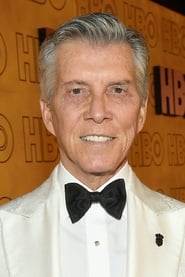
Michael Buffer
Michael Buffer
himself
Michael Buffer
himself
Similar Movies
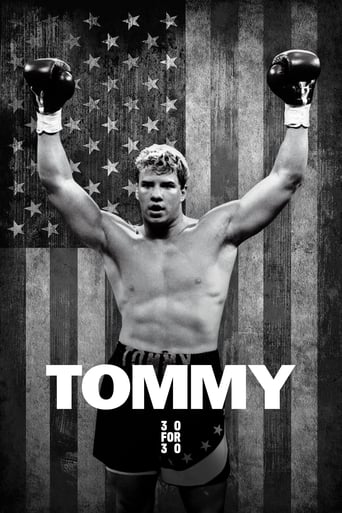
Co-directed by Gentry Kirby and Erin Leyden, “Tommy” examines Morrison’s remarkable rise to the spotlight, followed by a stunning, confounding, and ultimately tragic fall. He was one of the best heavyweights of his time; a handsome, charming, yet unsettled young star. Born into a troubled family in America’s heartland, Morrison’s initial emergence as a fighter was bolstered by a starring role in “Rocky V.” A few years later he beat George Foreman for the WBO heavyweight title, and seemed primed for more stardom, even in the face of blown opportunities and upset losses. But everything changed in early 1996 when he tested positive for HIV, abruptly forcing him into retirement at age 27. From there, Morrison’s life spiraled further and further downward, plagued by drug problems, jail time, and an eventual denial that he had the virus at all.
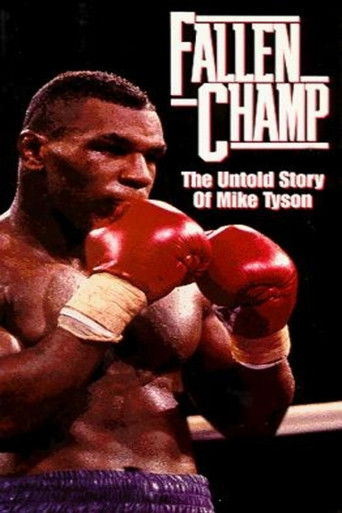
Fallen Champ: The Untold Story of Mike Tyson is a 1993 film made by acclaimed American documentary filmmaker Barbara Kopple. Though Tyson was in jail serving a sentence for rape, Kopple used existing interviews with the boxer, as well as her own extensive interviews with those closest to Tyson, to explore the man's history. The film traces Tyson's story from his troubled and tumultuous upbringing, through his rapid ascendancy in the ranks of the boxing world and his subsequent struggle with the trappings of fame. Fallen Champ earned Barbara Kopple a Directors Guild of America award as Best Documentary Director of 1993.
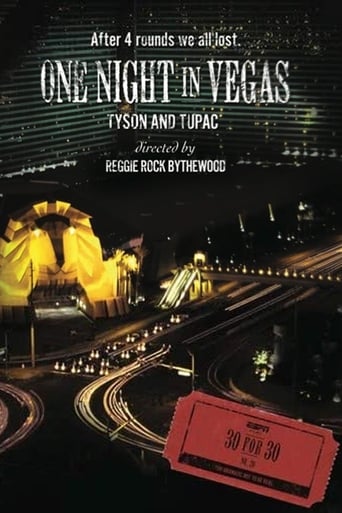
On the evening of Sept. 7, 1996, Mike Tyson, the WBC heavyweight champion, attempted to take Bruce Seldon’s WBA title at the MGM Grand in Las Vegas. At this point in his career, Tyson’s fights had become somewhat of a cultural phenomenon, where the ever present hype of the professional boxing scene would come face to face with the worlds of big business, Hollywood, and hip hop. Sitting ringside was controversial rapper Tupac Shakur. Shakur and Tyson were friends, a feeling of kinship linked them as each rose to stardom from poverty only to be thrown in prison. Following Tyson’s victory, Shakur and “Iron Mike” were to celebrate at an after party, but the rap star never arrived. Shakur was brutally gunned down later that night, and the scene in Las Vegas quickly turned from would-be celebratory revelry to ill fated and inopportune tragedy.
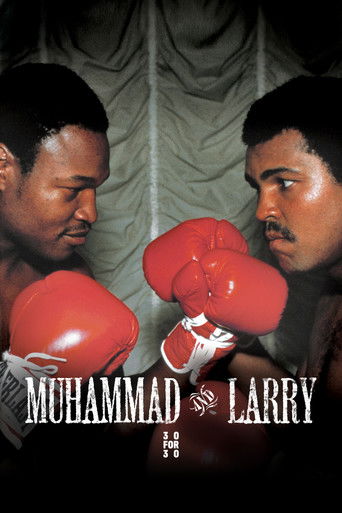
In October of 1980 Muhammad Ali was preparing to fight for an unprecedented fourth heavyweight title against his friend and former sparring partner Larry Holmes. To say that the great Ali was in the twilight of his career would be generous; most of his admiring fans, friends and fight scribes considered his bravado delusional. What was left for him to prove? In the weeks of training before the fight, documentarians Albert and David Maysles took an intimate look at Ali trying to convince the world and perhaps himself, that he was still “The Greatest.” At the same time, they documented the mild-mannered and undervalued champion Holmes as he confidently prepared to put an end to the career of a man for whom he had an abiding and deep affection
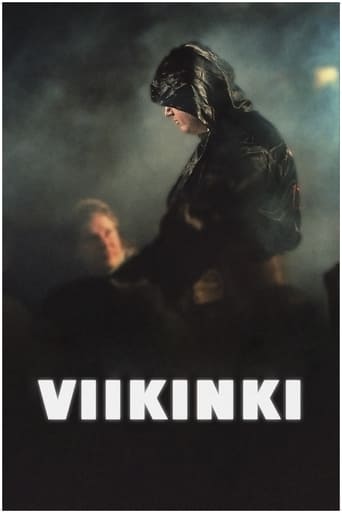
Documentary film about Tony Halme, masculinity and populism. The film follows how Tony Halme created a mythical, highly masculine freestyle wrestling character, The Viking, who gained fame both in the ring and in the public eye and eventually became captivated by it. With his brash speeches, Halme fired the starting shot for the rise of the Finns Party. The voice of a forgotten section of the population, a protest against the ruling elite, were the building blocks of Halme's popularity. Halme's great popularity has served as a good example of a populist figure, admired within the deep ranks of the nation, who comes from outside the political elite and changes the direction of politics. Also, despite - or perhaps because of - his openly racist statements, he was part of changing the political climate in Finland to a more acrimonious one.