

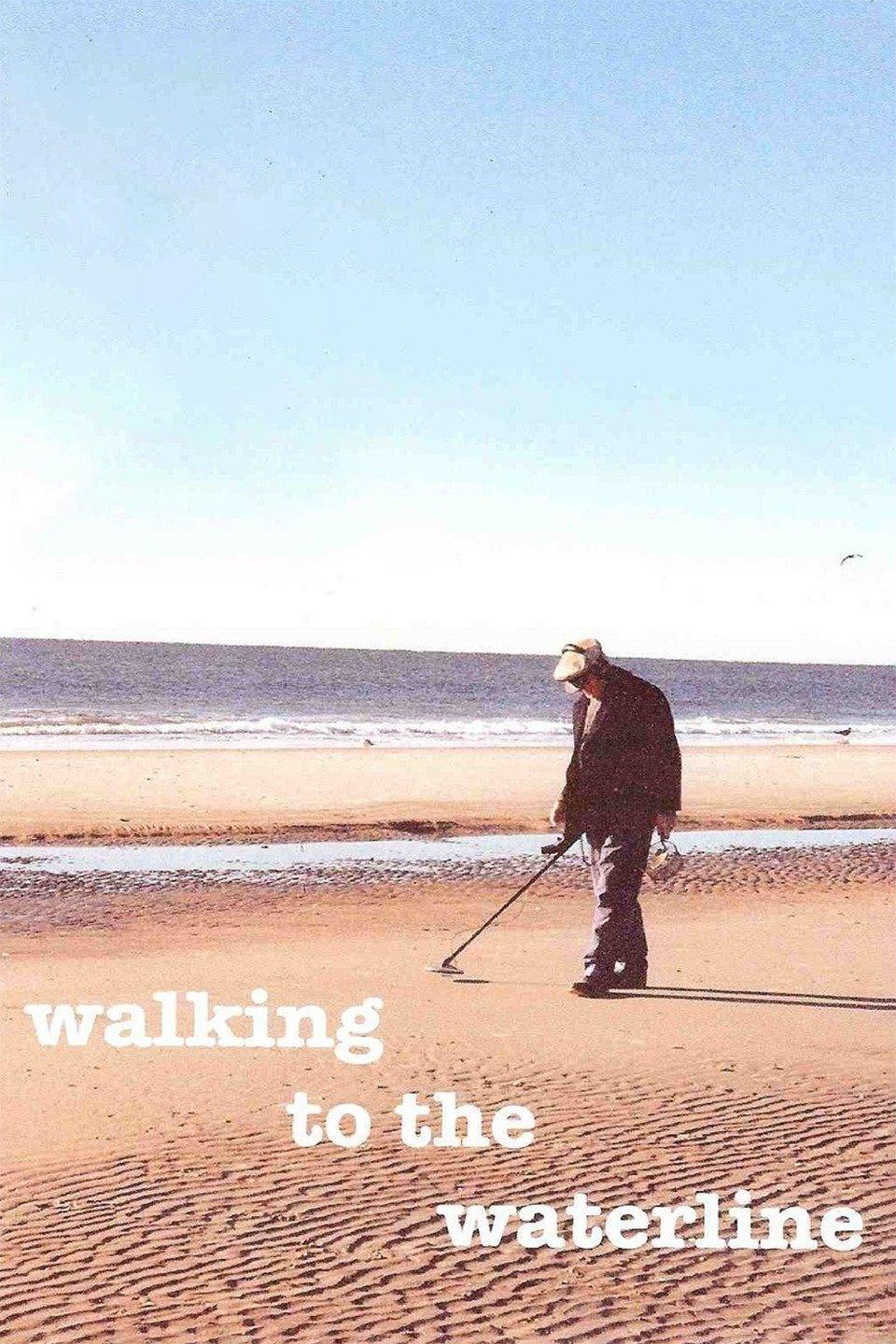
Walking to the Waterline
Drama
Overview
Once a successful television sitcom star, Francis McGowan is now a struggling actor who returns to his family home on the Jersey Shore to sell it following his father's death. While there, he interacts with his agent Michael Woods, his childhood friend Duane Hopwood, and tour guide Lucy Bammer, with whom he drifts into a casual affair while his wife and children wait for him to return home.
Top Cast

Hallie Foote
Lucy Bammer

Matt Mulhern
Francis McGowan
Kara Silver
TV Newscaster
Neil Rattigan
TV Weatherman
Ron Parady
Admiral Winston

Alan Ruck
Duane Hopwood
Karen Mulhern
Terry McGowan

Jack Mulhern
James McGowan
Connor Mulhern
Brian McGowan
Brian Meade
Young Francis
Garrett Walters
Policeman #1
Mark Steelman
Policeman #2














Hallie Foote
Hallie Foote
Lucy Bammer
Hallie Foote
Lucy Bammer
Matt Mulhern
Matt Mulhern
Francis McGowan
Matt Mulhern
Francis McGowan
Kara Silver
Kara Silver
TV Newscaster
Kara Silver
TV Newscaster
Neil Rattigan
Neil Rattigan
TV Weatherman
Neil Rattigan
TV Weatherman
Ron Parady
Ron Parady
Admiral Winston
Ron Parady
Admiral Winston
Alan Ruck
Alan Ruck
Duane Hopwood
Alan Ruck
Duane Hopwood
Karen Mulhern
Karen Mulhern
Terry McGowan
Karen Mulhern
Terry McGowan
Jack Mulhern
Jack Mulhern
James McGowan
Jack Mulhern
James McGowan
Connor Mulhern
Connor Mulhern
Brian McGowan
Connor Mulhern
Brian McGowan
Brian Meade
Brian Meade
Young Francis
Brian Meade
Young Francis
Similar Movies

This film is about what the routine of everyday life can do to the human mind and psyche. It also reflects on the importance of the choices we make and how limited these choices are in the first place. The plot evolves around a family of four. They live in the suburbs, in a strange villa that appears, through a complex game of mirrors, to be more like a piece of installation art than a real house. The main character, who hardly appears on screen, is the son, a man in his thirties. Suffering from asthma and eczema since childhood, he uses his condition to manipulate his parents and his sister. Thus the existence of the terrorized family turns into an endless ritual of attempting to satisfy his whims, and always on the alert for yet another one of his “health crises”. Las Meninas resembles the scattered pieces of a puzzle. It is up to the viewer to assemble them in order to form his very own picture – something that makes the film itself personal and unique.

In the final days of the American Civil War, an emigre Hungarian military officer attempts to map the situation of the enemy. Many veterans of the 1848 War of Independence in Hungary fought on the northern side. Experienced Fiala, Boldogh who struggles with homesickness and the reckless Vereczky all experience their enforced emigration in different ways and news of impending peace elicits different reactions from them all.

When an old friend brings filmmaker Enrique Goded a semi-autobiographical script chronicling their adolescence, Enrique is forced to relive his youth spent at a Catholic boarding school. Weaving through past and present, the script follows a transvestite performer who reconnects with a grade school sweetheart. Spurred on by this chance encounter, the character reflects on her childhood sexual victimization and the trauma of closeting her sexual orientation.

After blacking out on his wedding night, Shane and his wife head to a remote estate for their honeymoon. That night, there’s a knock at the door; a waiter and bartender from the reception, blackmailing Shane for something he can’t remember doing. But the blackmailers don’t just want money. They’re after business partners for their invention, an outlandish device called… The Crumb Catcher.
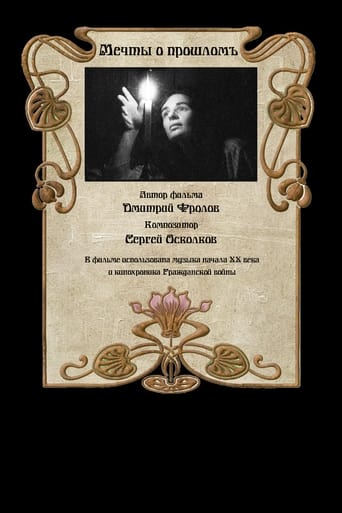
A film about peace, love and war. Dedicated to the 100th anniversary of the end of the Civil War in Russia. The film takes place at the end of the summer of 1917, when Russia and the whole world were at a crossroads between two eras. None of the people could even imagine how much his life would change in the very near future. In a strange way, the atmosphere of the film echoes our current reality and what is happening in Russia today. According to the form of visualization, the film belongs to experimental mockumentary cinema. To give greater authenticity to what is happening on the screen, the shooting was carried out on black-and-white negatives of 16 and 35 mm, hand-operated cameras were used and the material was developed in manual spiral tanks. The documentary chronicle of the Kolchak army of 1919 and the White army in the Far East of 1922 is embedded in the finale of the film.