


Documentary · History
Overview
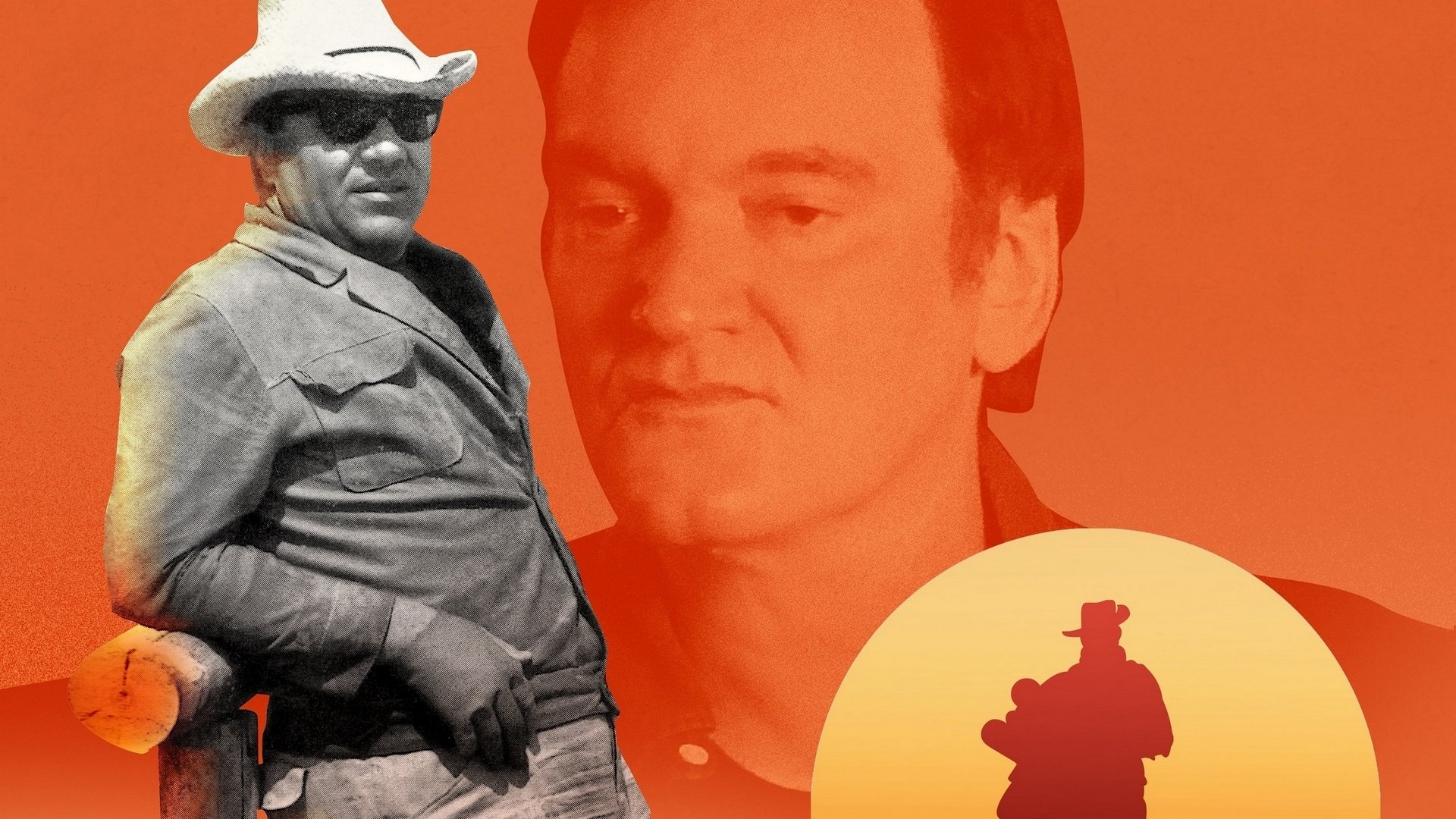
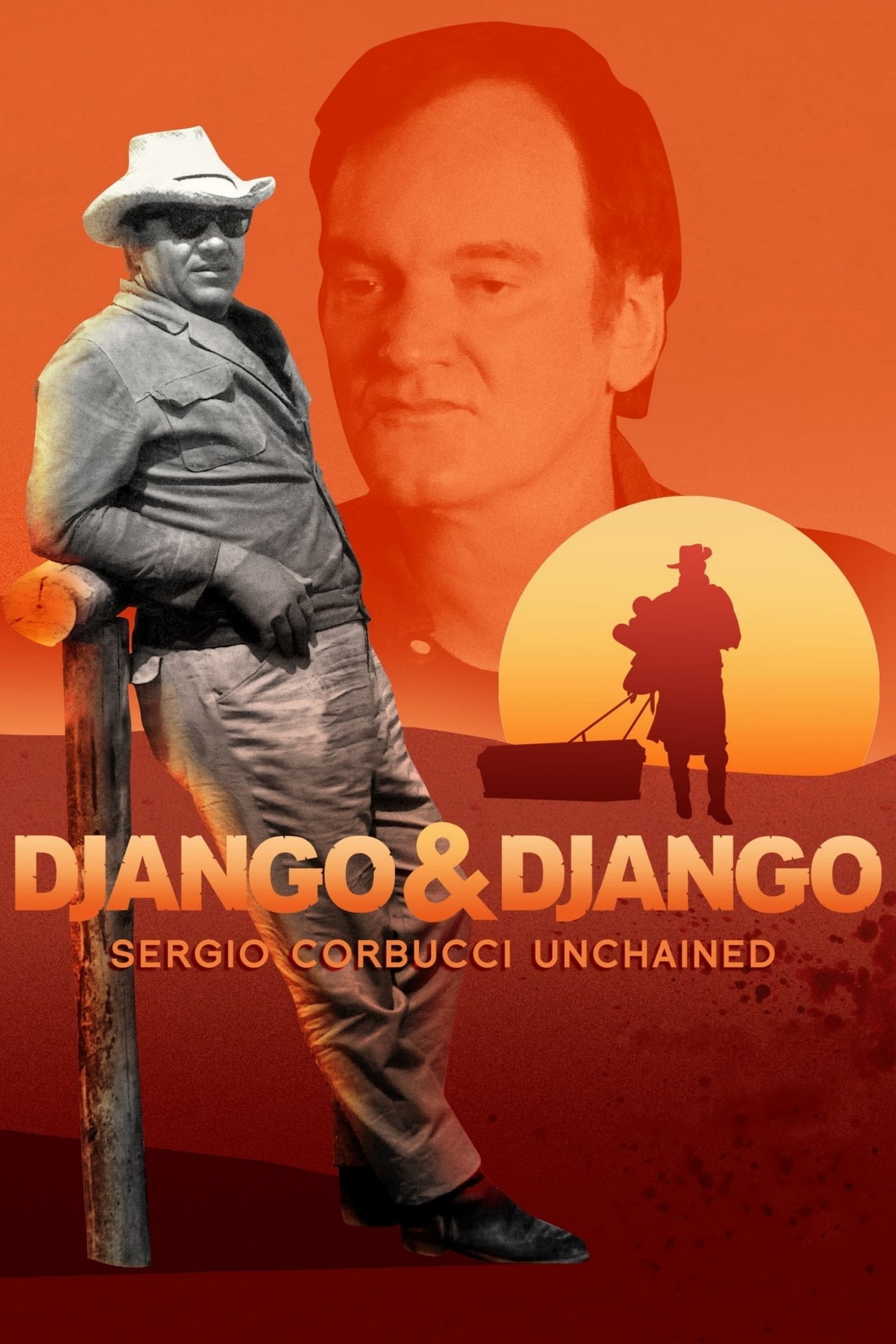
A tribute to Italian filmmaker Sergio Corbucci (1926-90), presented by American filmmaker Quentin Tarantino.
Top Cast

Quentin Tarantino
Self - Filmmaker
Franco Nero
Self - Actor
Ruggero Deodato
Self - Filmmaker
Adolf Hitler
Self - Politician (archive footage)
Benito Mussolini
Self - Politician (archive footage)
Sergio Corbucci
Self - Filmmaker (archive footage)
Clint Eastwood
Self - Actor (archive footage)
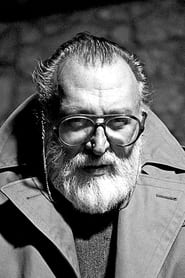
Sergio Leone
Self - Filmmaker (archive footage)
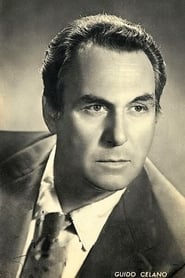
Guido Celano
Self - Filmmaker (archive footage)
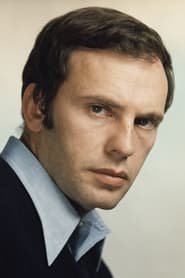
Jean-Louis Trintignant
Self - Actor (archive footage)
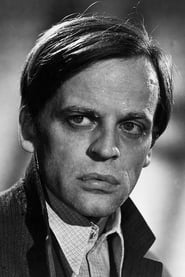
Klaus Kinski
Self - Actor (archive footage)
Tomas Milian
Self - Actor (archive footage)






Quentin Tarantino
Quentin Tarantino
Self - Filmmaker
Quentin Tarantino
Self - Filmmaker
Franco Nero
Franco Nero
Self - Actor
Franco Nero
Self - Actor
Ruggero Deodato
Ruggero Deodato
Self - Filmmaker
Ruggero Deodato
Self - Filmmaker
Adolf Hitler
Adolf Hitler
Self - Politician (archive footage)
Adolf Hitler
Self - Politician (archive footage)
Benito Mussolini
Benito Mussolini
Self - Politician (archive footage)
Benito Mussolini
Self - Politician (archive footage)
Sergio Corbucci
Sergio Corbucci
Self - Filmmaker (archive footage)
Sergio Corbucci
Self - Filmmaker (archive footage)
Clint Eastwood
Clint Eastwood
Self - Actor (archive footage)
Clint Eastwood
Self - Actor (archive footage)
Sergio Leone
Sergio Leone
Self - Filmmaker (archive footage)
Sergio Leone
Self - Filmmaker (archive footage)
Guido Celano
Guido Celano
Self - Filmmaker (archive footage)
Guido Celano
Self - Filmmaker (archive footage)
Jean-Louis Trintignant
Jean-Louis Trintignant
Self - Actor (archive footage)
Jean-Louis Trintignant
Self - Actor (archive footage)
Similar Movies
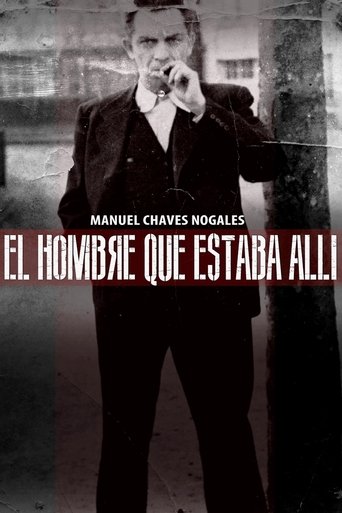
The Spanish journalist Manuel Chaves Nogales (1897-1944) was always there where the news broke out: in the fratricidal Spain of 1936, in Bolshevik Russia, in Fascist Italy, in Nazi Germany, in occupied Paris or in the bombed London of World War II; because his job was to walk, see and tell stories, and thus fight against tyrants, at a time when it was necessary to take sides in order not to be left alone; but he, a man of integrity to the bitter end, never did so.
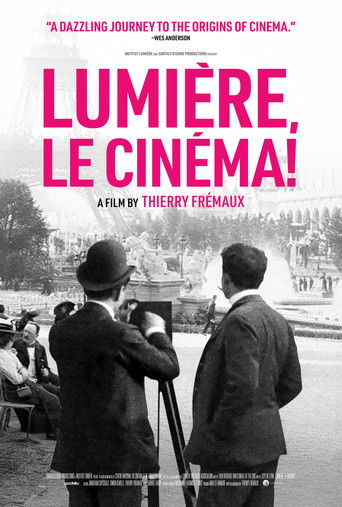
In one of those wonderful coincidences of history, lumière, the French word for “light,” was also the last name of brothers Auguste and Louis, whose brilliant invention, the cinematograph, helped to inaugurate the most beloved art form of the last 130 years. Institute Lumière director Thierry Frémaux uses Lumière, Le Cinema! to guide the viewer through over a hundred shorts—some famous, some forgotten, some never before seen—directed by Lumière and company. In the process, Frémaux illuminates how the brothers employed the camera as a creative instrument as they (and their operators) mastered framing, staging, and subject selection for quotidian and exotic microdocumentaries as well as the first ever fictional motion pictures. The result is not only a glorious re(telling) of the genesis of cinema but a profound meditation on the beautiful world captured—and the mysterious world imagined—by the Lumières.

Claude Lelouch was a Jewish child in occupied France. In this documentary, he talks about the trauma he still feels from that experience, but also how it inspired him to become a filmmaker. The 1940s appear to be a formative period, key to understanding the work and career of this famous director, whose films and life have always been inseparable.
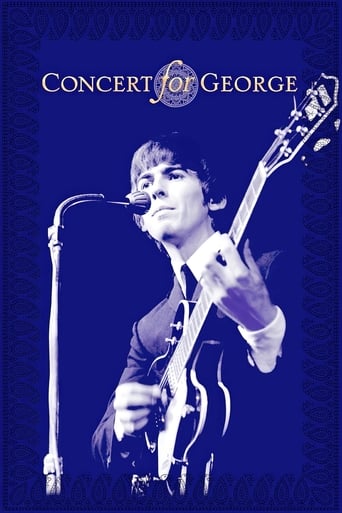
As a memorial to George Harrison on the first anniversary of his passing, The Concert for George was held at the Royal Albert Hall in London on 29 November 2002 . Organized by Harrison's widow, Olivia, and son, Dhani, and arranged under the musical direction of Eric Clapton and Jeff Lynne. A benefit for Harrison's Material World Charitable Foundation, the all-star concert took place on the day of the first anniversary of his death. Proceeds from the film also went to the Material World Charitable Foundation. The film was shot using discreet cameras from over twelve locations.

Produced by the Army Pictorial Service, Signal Corps, with the cooperation of the Army Air Forces and the United States Navy, and released by Warner Bros. for the War Activities Committee shortly after the surrender of Japan. Follow General Douglas MacArthur and his men from their exile from the Philippines in early 1942, through the signing of the instrument of surrender on the USS Missouri on September 1, 1945. Preserved by the Academy Film Archive in 2013.