

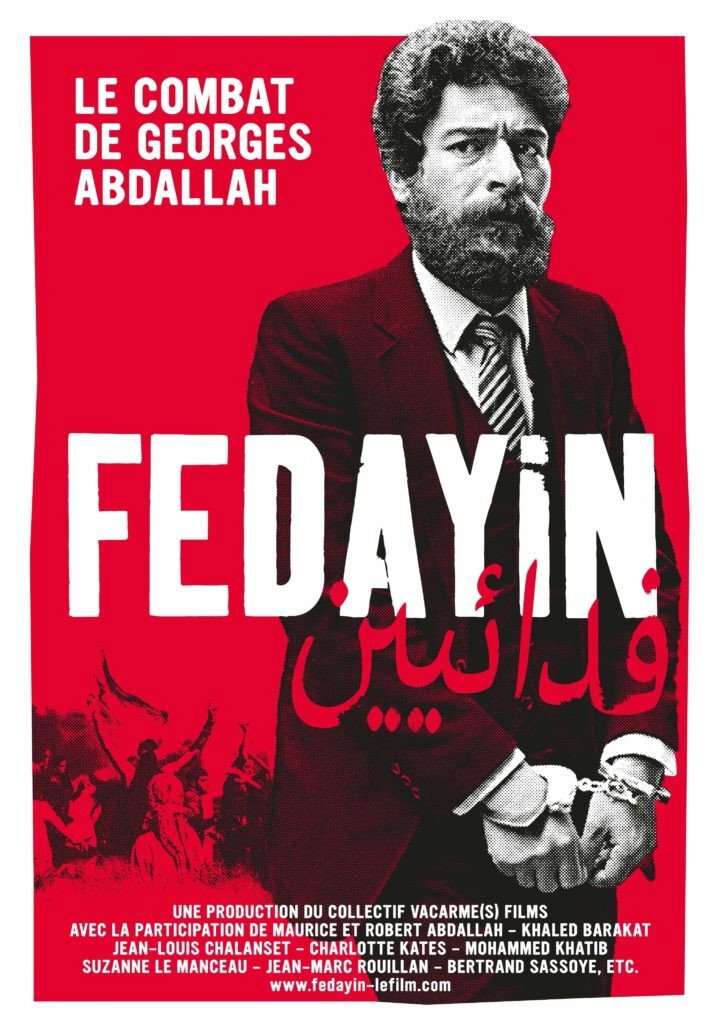
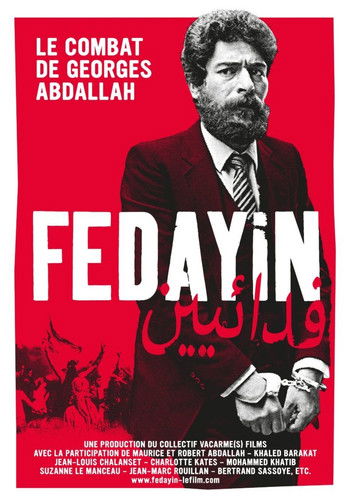
Fedayin, the fight of Georges Abdallah
Documentary
Overview
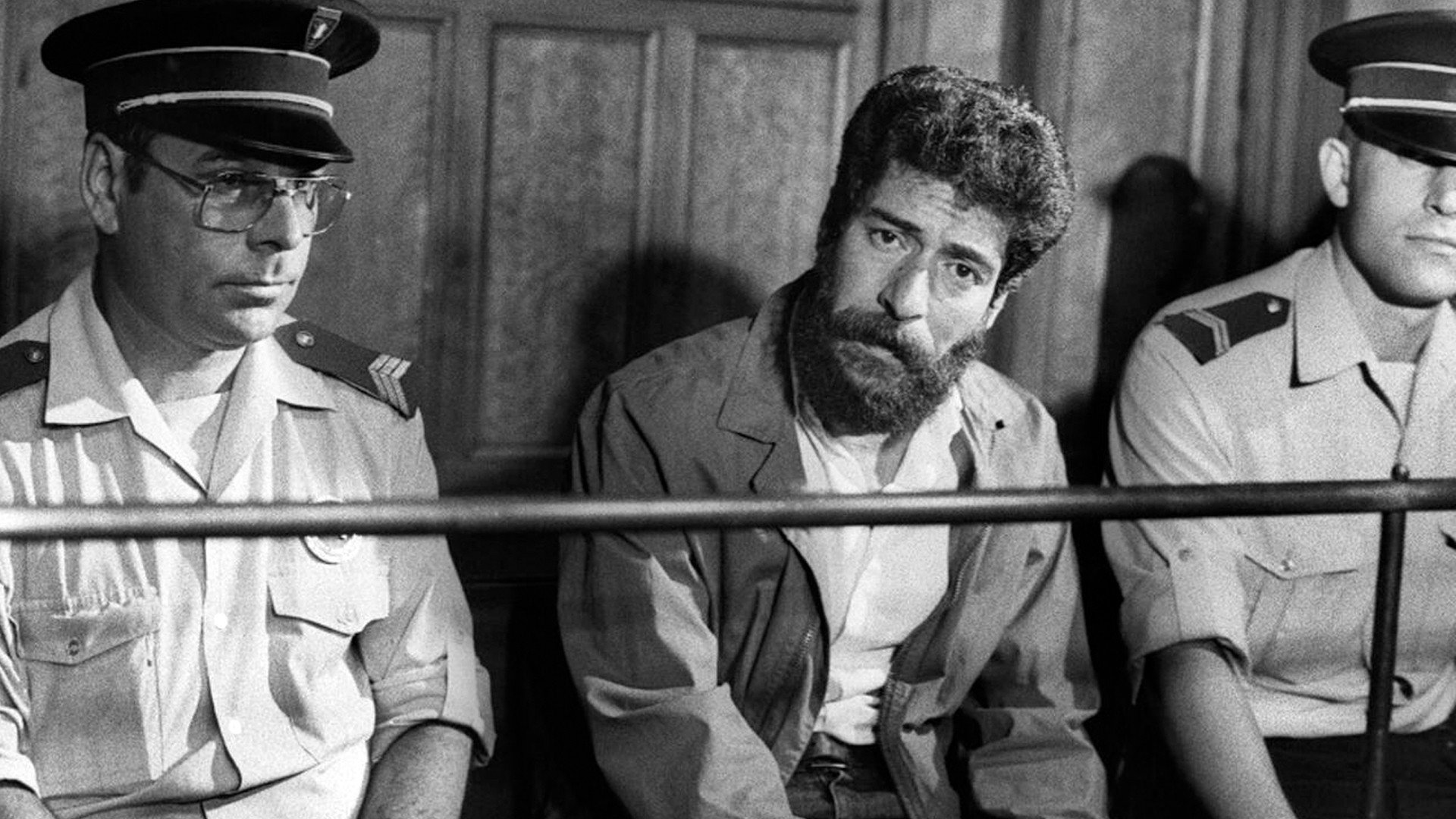
A leading figure in the Palestinian cause and the fight against imperialism, the Lebanese communist activist Georges Ibrahim Abdallah had been languishing in French prisons for thirty-eight years—a unique case in France. Arrested in Lyon in 1984 with false papers, he was sentenced two years later to four years in prison for possession of weapons and explosives, then in 1987 received a life sentence for complicity in the assassinations in Paris five years earlier of an Israeli Mossad agent and an American military attaché—charges he has always denied. Although he has been eligible for release since 1999, French political authorities, under pressure from the United States and Israel, opposed his release. Interventions by Palestinian figures, his relatives, his lawyer and ex-prisoners from the extreme left, retrace the journey of the village schoolteacher who became an anti-colonial activist.


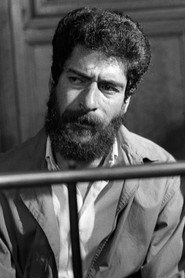
Georges Ibrahim Abdallah
Georges Ibrahim Abdallah
Self
Georges Ibrahim Abdallah
Self
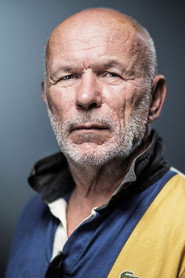
Jean-Marc Rouillan
Jean-Marc Rouillan
Self
Jean-Marc Rouillan
Self
Maurice Abdallah
Maurice Abdallah
Self
Maurice Abdallah
Self
Jean-Louis Chalanset
Jean-Louis Chalanset
Self
Jean-Louis Chalanset
Self
Bertrand Sassoye
Bertrand Sassoye
Self
Bertrand Sassoye
Self
Similar Movies
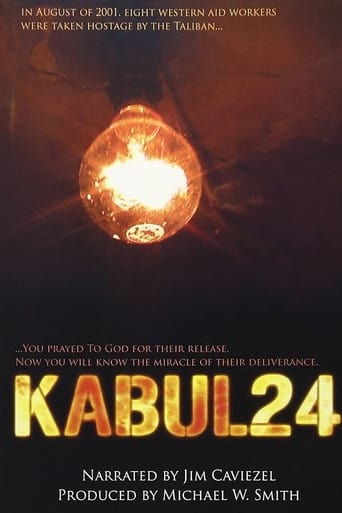
In the summer of 2001 the Taliban strategically captured 24 Shelter Now International Aid hostages that captured the attention of the world for more than three months. With representatives from the United States, Australia, Germany and Afghanistan, the Taliban set out to create an insurance policy against the pending attacks of September 11th. What transpired through their story was an overwhelming journey of faith, grace and endurance. Based on the true story as told by the captives, Kabul 24 captures the gantlet of their 105 days in captivity and the cruel treatment of the Muslim co-workers at the hands of the Taliban who accused them of converting to Christianity. Revisit their journey from the grueling interrogation to their sham "trial" before the Taliban Supreme Court, to the dangers endured during the bombing of Kabul and a crushing sense that the world had abandoned them.
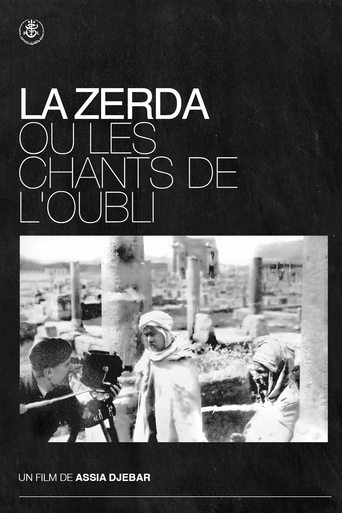
“La Zerda and the songs of oblivion” (1982) is one of only two films made by the Algerian novelist Assia Djebar, with “La Nouba des femmes du mont Chenoua” (1977). Powerful poetic essay based on archives, in which Assia Djebar – in collaboration with the poet Malek Alloula and the composer Ahmed Essyad – deconstructs the French colonial propaganda of the Pathé-Gaumont newsreels from 1912 to 1942, to reveal the signs of revolt among the subjugated North African population. Through the reassembly of these propaganda images, Djebar recovers the history of the Zerda ceremonies, suggesting that the power and mysticism of this tradition were obliterated and erased by the predatory voyeurism of the colonial gaze. This very gaze is thus subverted and a hidden tradition of resistance and struggle is revealed, against any exoticizing and orientalist temptation.
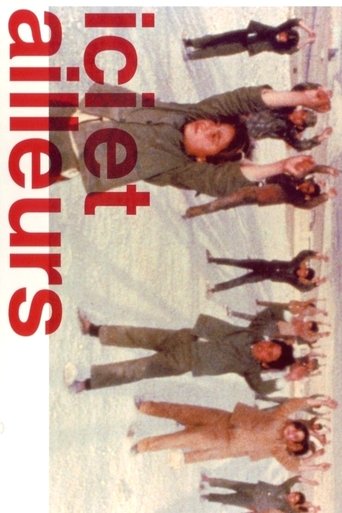
Here and Elsewhere takes its name from the contrasting footage it shows of the fedayeen and of a French family watching television at home. Originally shot by the Dziga Vertov Group as a film on Palestinian freedom fighters, Godard later reworked the material alongside Anne-Marie Miéville.

On September 5, 1960, the trial of about twenty French activists from the "Jeanson Network" began, supporters in the metropolis of the action of the Algerian FLN independence activists. But after a few days, the situation was reversed and the trial transformed into a political arena, it was the government, the army, their policy, it was the entire Algerian war whose trial began. Accused, witnesses, lawyers, overflowing a stunned court, transformed the courtroom into a tribune of the opposition. The trial coincided with the publication of the "Manifesto of the 121" on the right to insubordination, signed among others by Jean Paul Sartre, Arthur Adamov, Simone de Beauvoir, André Breton, Marguerite Duras, Pierre Boulez, René Dumont, François Chatelet…
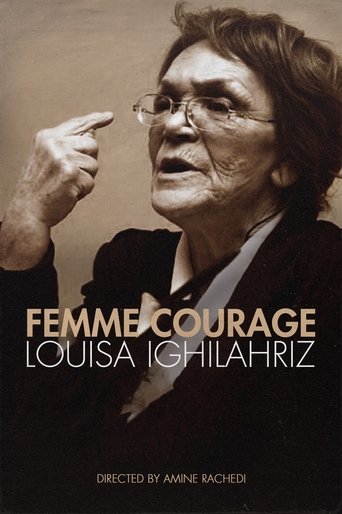
The autobiographical account of the tormented life of a witness of the century: Louisa Ighilahriz, activist and leading figure in Algerian independence. A student, she joined the independence struggle at the age of 20, joining the ranks of the FLN on the eve of the Battle of Algiers in late 1956 under the name Lila. She took part in the high school students' strike, then fled into the maquis when she was actively sought after. She was part of the French FLN support network of "suitcase carriers" during the Battle of Algiers. Seriously wounded alongside her network leader, Saïd Bakel, during an ambush in 1957, hospitalized and then imprisoned, she suffered numerous tortures in French prisons. She will be saved from certain death by an anonymous person, she will seek, for forty years, to find him just to show him her gratitude... Emblematic of the painful Franco-Algerian history, Louisa's story is poignant and imbued with humanism.
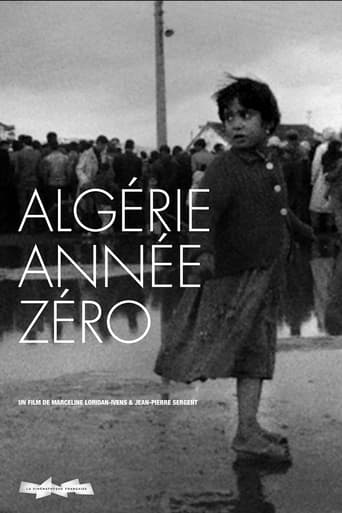
Documentary on the beginnings of Algerian independence filmed during the summer of 1962 in Algiers. The film was banned in France and Algeria but won the Grand Prize at the Leipzig International Film Festival in 1965. Out of friendship, the production company Images de France sent an operator, Bruno Muel, who later declared: "For those who were called to Algeria (for me, 1956-58), participating in a film on independence was a victory over horror, lies and absurdity. It was also the beginning of my commitment to the cinema."

60 years ago, in the Algerian desert, an atomic bomb, equivalent to three or even four times Hiroshima, exploded. Named the “Blue Gerboise”, it was the first atomic bomb tested by France, and of hitherto unrivaled power. This 70 kiloton plutonium bomb was launched in the early morning, in the Reggane region, in southern Algeria, during the French colonial era. If this test allowed France to become the 4th nuclear power in the world, it had catastrophic repercussions. France had, at the time, certified that the radiation was well below the standard safety threshold. However, in 2013, declassified files revealed that the level of radioactivity had been much higher than announced, and had been recorded from West Africa to the south of Spain.

The exceptional portrait of a pacifist general, the only senior officer to have spoken out against torture. This precious testimony still remains censored in France, since no national channel has to date decided to program this documentary. Son and brother of a soldier, General Pâris de Bollardière was destined for a career in arms. He was, for many years, one of the most brilliant representatives of this adventurer career in France, from Narvik to the Algerian War. After fighting in the French maquis, he reached Indochina, where he suddenly found himself in the aggressor's camps. His beliefs are strongly shaken. But it is in Algeria, where the French army practices torture and summary executions, that he takes the big turn. He expresses his contempt to Massu, and is relieved of his command. Until his death in 1986, Jacques de Bollardière fought for world peace, from the Larzac plateaus to the Mururoa atolls.