


Plaasmoorde: The Killing Fields
Documentary
Overview
Included in this groundbreaking work are interviews with active farm attackers and serving police officers who confirm corrupt police are complicit in the mass‐slaughter of South Africa’s whites. Their truths are horrifying—a man and woman branded with hot irons and left to die. A husband killed in front of his wife and children. An elderly woman raped, another with half her face blown off from a shotgun. And they all share a common thread: revenge. This is a disturbing documentary—it wrought both an emotional and physical toll on all involved. What’s more, Katie was detained at the airport in South Africa on the orders of the African National Congress (ANC) for her work on this project because Plaasmoorde is the story—the truth—they don’t want you to see. We owe it to the victims—to our fellow man—to listen and to open our eyes to the truth.
Top Cast





Katie Hopkins
Katie Hopkins
Herself
Katie Hopkins
Herself
Similar Movies
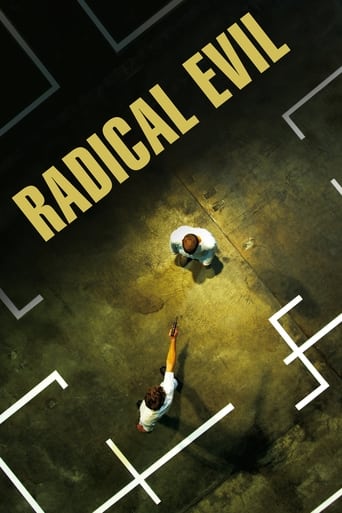
Das radikal Böse is a German-Austrian documentary that attempted to explore psychological processes and individual decision latitude "normal young men" in the German Einsatzgruppen of the Security Police and SD, which in 1941 during the Second World War as part of the Holocaust two million Jewish civilians shot dead in Eastern Europe.
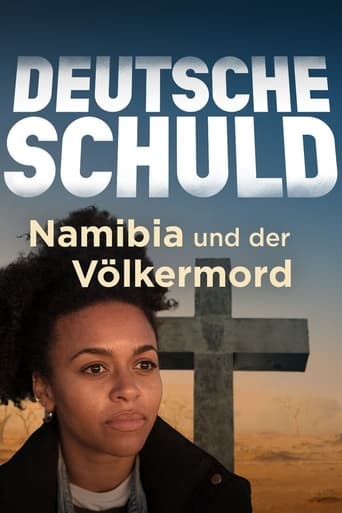
Between 1904 and 1908, when Namibia was still called German South West Africa and a German colony, up to 60,000 Ovaherero and 10,000 Nama died at the hands of German colonialists. The crimes of the German colonial rulers went down in history as the first genocide of the 20th century. The Afro-German presenter and influencer Aminata Belli travels to the African country to investigate the extent to which the legacy of the German colonial era affects the present day of Namibian society. She pays particular attention to the involvement of the Protestant Church in the subjugation of the indigenous people and the sense of guilt of the descendants of the German settlers as well as the Germans themselves. To do this, the fashion journalist interviews various people on site and pretends to be interested in the following questions: Were the missionaries of the time guilty? How does a country heal when horrific things have happened there? And is reconciliation possible?
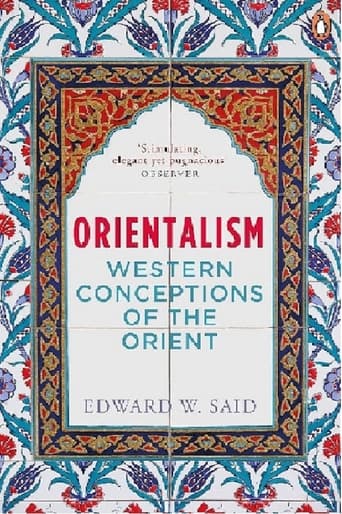
Edward Said's book Orientalism has been profoundly influential in a diverse range of disciplines since its publication in 1978. In this engaging and lavishly illustrated interview he talks about the context within which the book was conceived, its main themes, and how its original thesis relates to the contemporary understanding of "the Orient" as represented in the mass media. "That's the power of the discourse of Orientalism. If you're thinking about people and Islam, and about that part of the world, those are the words you constantly have to use. To think past it, to go beyond it, not to use it, is virtually impossible, because there is no knowledge that isn't codified in this way about that part of the world." -Edward Said