


Comedy · TV Movie
Overview
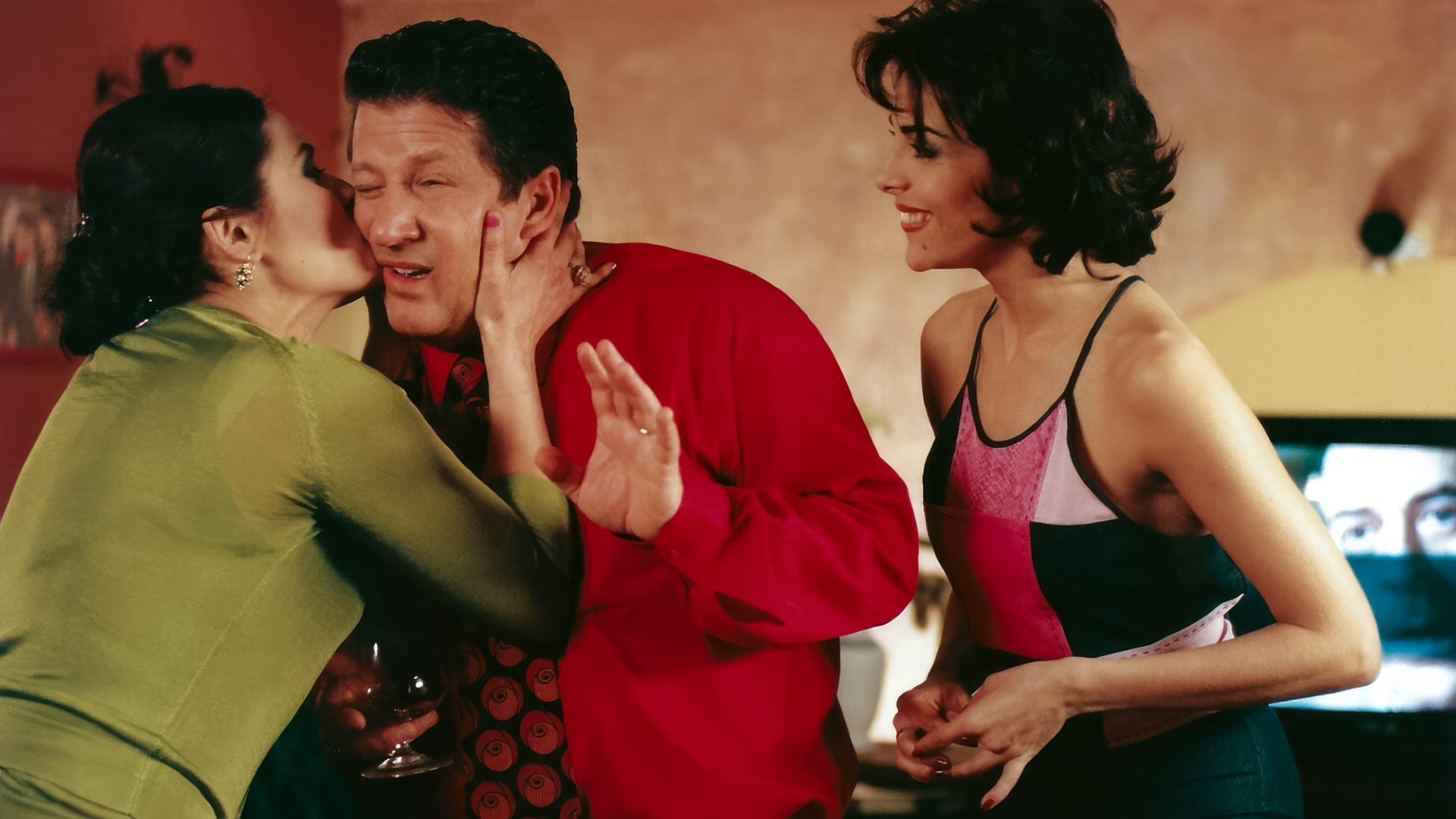
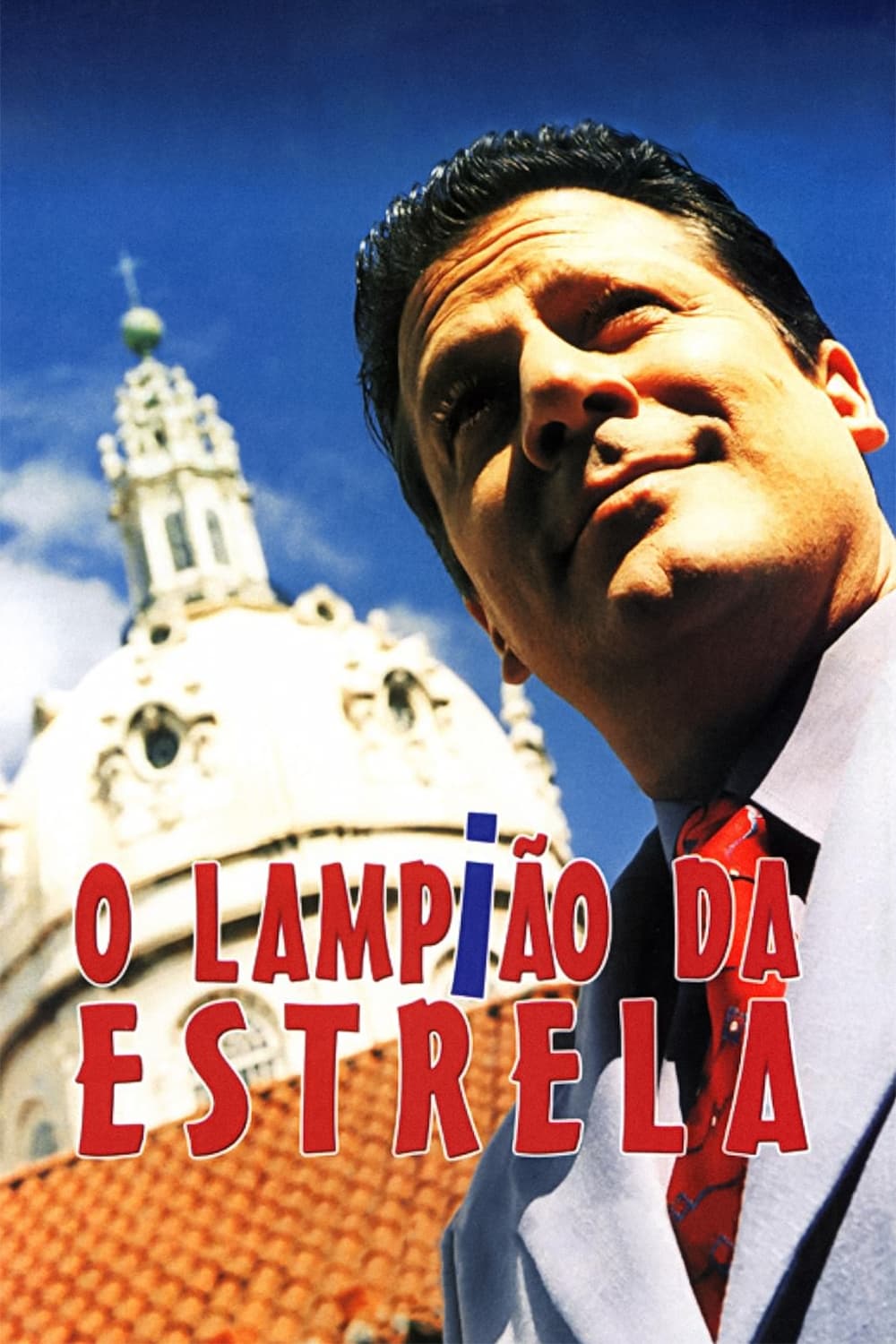
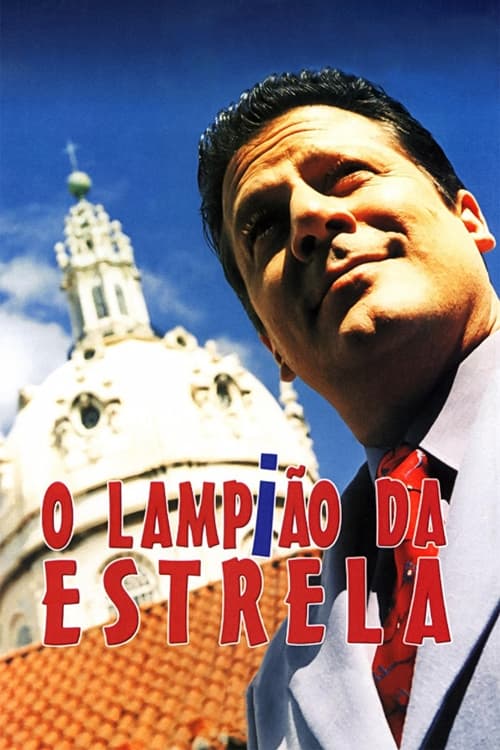
When a football agent acquires the rights of two young Mozambican players, he tries to transfer them to Benfica, his favorite club.







Herman José
Herman José
Carlos Santos
Herman José
Carlos Santos

Catarina Furtado
Catarina Furtado
Cristina
Catarina Furtado
Cristina

Henrique Viana
Henrique Viana
Henrique Viana

Maria d'Aires
Maria d'Aires
Maria d'Aires

Marco Horácio
Marco Horácio
Marco Horácio

José Pedro Gomes
José Pedro Gomes
José Pedro Gomes

São José Lapa
São José Lapa
São José Lapa
Fernando Valente
Fernando Valente
Fernando Valente

António Cordeiro
António Cordeiro
Security
António Cordeiro
Security

Miguel Guilherme
Miguel Guilherme
Voice
Miguel Guilherme
Voice
Similar Movies
One of the great rivalries of European football, the friction between the supporters of Lisbon's two great clubs Benfica and Sporting is historic and growing. Divided along class lines, geography and more than 100 years of intense enmity, the two most successful clubs in Portuguese football are the fiercest of rivals.
"Estadio Novo is about Portugal, its football and its fans. As hordes of supporters descend on the ten brand new stadiums for Euro 2004, this lively and informative documentary takes a look at their impact. Examining the role of football in Portugal before and the revolution of 1974 it asks... what's really going on?"
Bernard, an executive for a big company, tries to get home in time for his wedding but is caught in the middle of a mass suicide. He saves a sect member who then follows him like a puppy, and is chased by the sect leaders, two over-the-top crooks with bloated egos and a craving for money.
The tranquility of a remote Armenian mountain community is disrupted when a group of shepherds affected by the pangs of an evening hunger, decide to butcher and barbecue the sheep of another's that have strayed into their herd. An official inquiry by the city police complicates matters, and questions of law, morality and community only seem to lead to further entanglements.
If you get the chance to fulfill your lifelong dream, you shouldn't hesitate for long and must seize the opportunity. That's how idealistic midwife Irene Lieblich sees it. Her big dream is to open her own birth center. She has already found the perfect place for her project: a beautifully situated property on the outskirts of a picturesque Bavarian town. It all seems like a sure thing - the application has been submitted to the local council, the building finance is secured thanks to an unexpected inheritance and Irene has already rented a small terraced house for herself and her nine-year-old daughter Katja. But then, to Irene's horror, another interested party turns up for the property: funeral director Siegfried Schroff. He also wants to fulfill his dream of opening a private cemetery in this rural idyll.
Divorced and single bailiff Carla Schön has many problems with her pubescent daughter Eva. However, she cannot use these problems because she has to work in her everyday life. Even in her hobby, orchestral playing, she is absolutely tense. But then she meets the musician Andi Jannings and falls in love with him. He is a dry alcoholic and is in constant dispute with his ex-wife. To make matters worse, he is also a caretaker at Eva's school. Torn between her new love and daughter, Carla soon finds that her next job has to do with Andi. He has money problems and, accordingly, has not made any maintenance payments to his ex-wife.
Swinging playboy Grand Duke Nicholas Goduno, a direct descendent of the Romanov family who were overthrown in the Russian Revolution of 1917, learns that his family's crown jewels will be exhibited at a London museum and plots to steal them. To this end, he gathers a crew of beautiful but dangerous women, led by Bridget Rafferty, to assist in his plot against Popov, the Soviet functionary in charge of the exhibit.
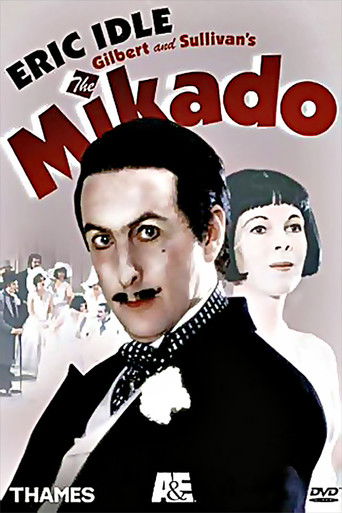
Jonathan Miller set his well-known production of The Mikado, staged for the English National Opera, in a British seaside resort of the 1920s. The result, complete with a chorus of gentlemen of Japan as cartoon-like British peers, emphatically underscores the Englishness of the satire. The occasional non sequiturs, like a bunch of gentry dressed for Ascot and singing in Japanese, are loonily fun, and no more absurd than the fantasyland Japan that Gilbert and Sullivan invented. The time frame, though, seems little more than an excuse for a smart black-and-white production design.
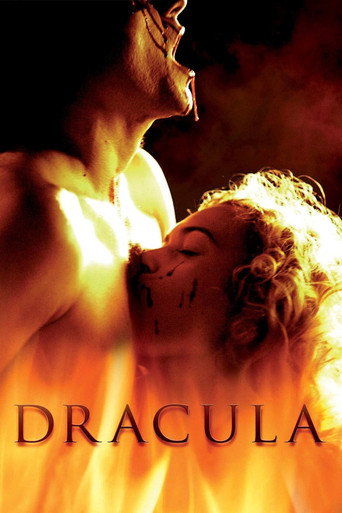
The Romanian count known as Dracula is summoned to London by Arthur Holmwood, a young Lord who is one the verge of being wed. Unknown to Arthur's future bride Lucy, her future husband is infected with syphilis and therefore cannot consummate their marriage. Arthur has laid his hopes of being cured on the enigmatic count; as it is said that Dracula has extraordinary powers. But these supernatural powers have sinister origins. The Count is a vampire. Soon Arthur realizes his serious mistake as all hell breaks loose and the Count infects others with his ancient curse. But Dracula has not counted on the young Lord acquiring the assistance of the Dutch Vampire expert Prof. Abraham Van Helsing.