

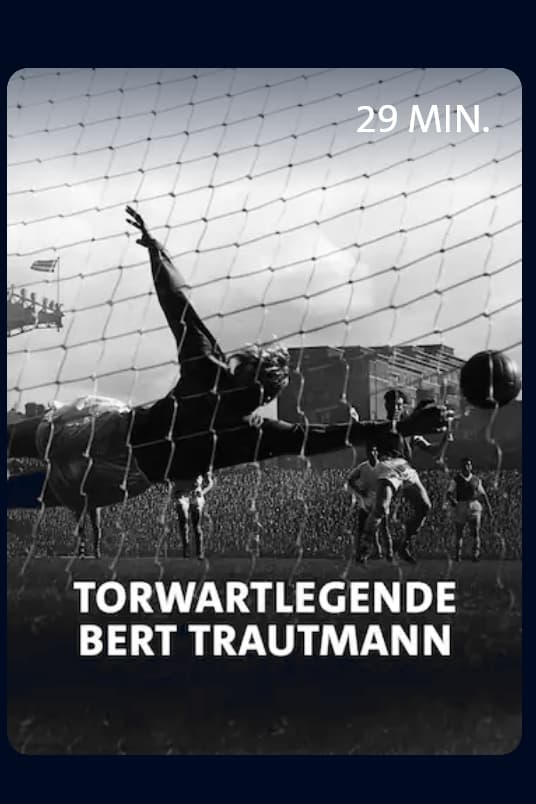
Vom Nazi zum englischen Fußballidol - Torwartlegende Bert Trautmann
Documentary
Overview
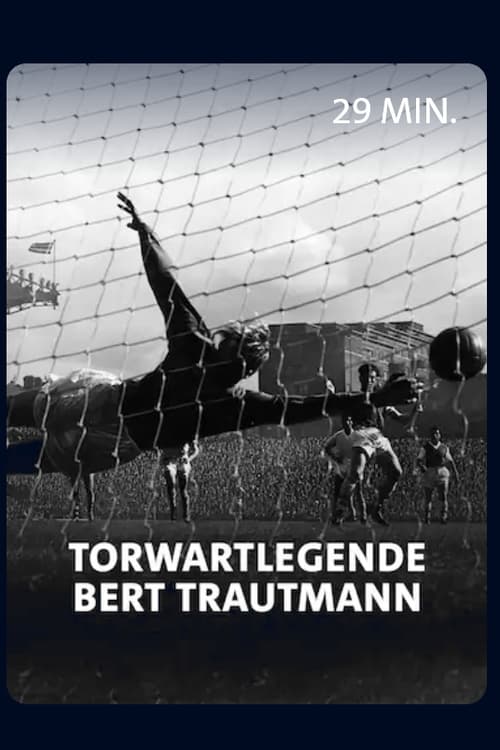
How could a German Wehrmacht soldier become a celebrated soccer idol of the Britons in the post-war period? The documentary by Radio Bremen shows the moving life story of the soccer star of the 1950s in a torn Europe and how an enemy became a friend. With his legendary appearance in the English Cup Final 1956, in which he played until the end despite a broken neck, Bert Trautmann set up a memorial for himself in the history of sport. Already in the same year, he is chosen as England’s footballer of the year, and by his club Manchester City even as best player of all times. Bernhard “Bert” Trautmann is one of the most popular and best-known soccer players in England.








Hansi Jochmann
Hansi Jochmann
Narrator
Hansi Jochmann
Narrator

Jürgen Klinsmann
Jürgen Klinsmann
self
Jürgen Klinsmann
self
Catrine Clay
Catrine Clay
self
Catrine Clay
self

Bert Trautmann
Bert Trautmann
self (archival footage)
Bert Trautmann
self (archival footage)
Steve Fleet
Steve Fleet
self
Steve Fleet
self
Leslie Wertheimer
Leslie Wertheimer
self
Leslie Wertheimer
self
Fred Eyre
Fred Eyre
self
Fred Eyre
self
Mark Trautmann
Mark Trautmann
self
Mark Trautmann
self
Stephen Trautmann
Stephen Trautmann
self
Stephen Trautmann
self
Marlis Trautmann
Marlis Trautmann
self
Marlis Trautmann
self
Similar Movies
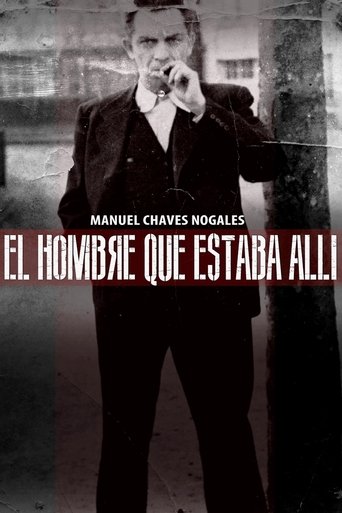
The Spanish journalist Manuel Chaves Nogales (1897-1944) was always there where the news broke out: in the fratricidal Spain of 1936, in Bolshevik Russia, in Fascist Italy, in Nazi Germany, in occupied Paris or in the bombed London of World War II; because his job was to walk, see and tell stories, and thus fight against tyrants, at a time when it was necessary to take sides in order not to be left alone; but he, a man of integrity to the bitter end, never did so.
This short-form documentary focuses on the true story of Alfons Heck, who as an impressionable 10-year-old boy became a high-ranking member of the Hitler youth movement during World War II. The story is told in his own words. This film originally aired as part of the "America Undercover" series on HBO.
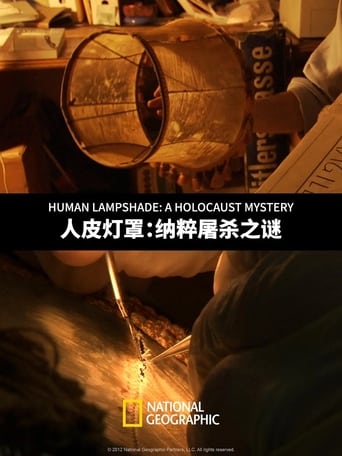
This story follows one man's quest to uncover the origins and reveal the mysteries of a possible Holocaust artifact some historians now say never existed: lampshades made of human skin. When the flood waters of Hurricane Katrina receded, they left behind a wrecked New Orleans and a strange looking lamp that an illicit dealer claimed was 'made from the skin of Jews.'

A traveler finds Muaythai as a hobby in the land of smiles, thailand. Following a visit at fairtex gym, meeting the fighters at the gym, he finally realizes the life; Pattaya has to offer. Mastering Muaythai, with his statement ' Where Borne fighters appear, legends are made', he soon learned the arts of the fighting style and as a freelance legendary fighter his nickname evolve to "The Real Deal".

His teachers, coaches, childhood friends and Barça teammates, together with journalists, writers and prominent figures from the history of football, come together in a restaurant to analyze and pick apart Messi's personality both on and off the field, and to look back at some of the most significant moments in his life. Viewed from Álex de la Iglesia's unique perspective, Messi recreates the player's childhood and teenage years, from his very first steps, with a football always at his feet, through to the decision to leave Rosario for Barcelona, the separation from his family, and the role played in his career by individuals such as Ronaldinho, Rijkaard, Rexach and Guardiola.

Adolf Hitler's Nazi megalomania knew no limits. The most daring of his plans World War II involved German fighter planes crashing into Manhattan's skyscrapers as living bombs, like the Japanese kamikazes. Hitler understood the huge symbolic power of Manhattan's skyscrapers. He believed suicide bombing would have a devastating psychological impact on the American people and the U.S. war effort.
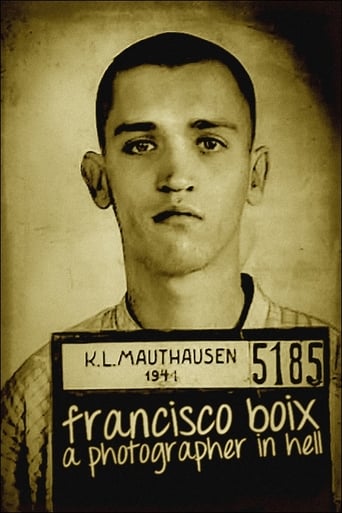
In 1939, just finished the Spanish Civil War, Spanish republican photographer Francesc Boix escapes from Spain; but is captured by the Nazis in 1940 and imprisoned in the Mauthausen concentration camp, in Austria, a year later. There, he works as a prisoner in the SS Photographic Service, hiding, between 1943 and 1945, around 20,000 negatives that later will be presented as evidence during several trials conducted against Nazi war criminals after World War II.