

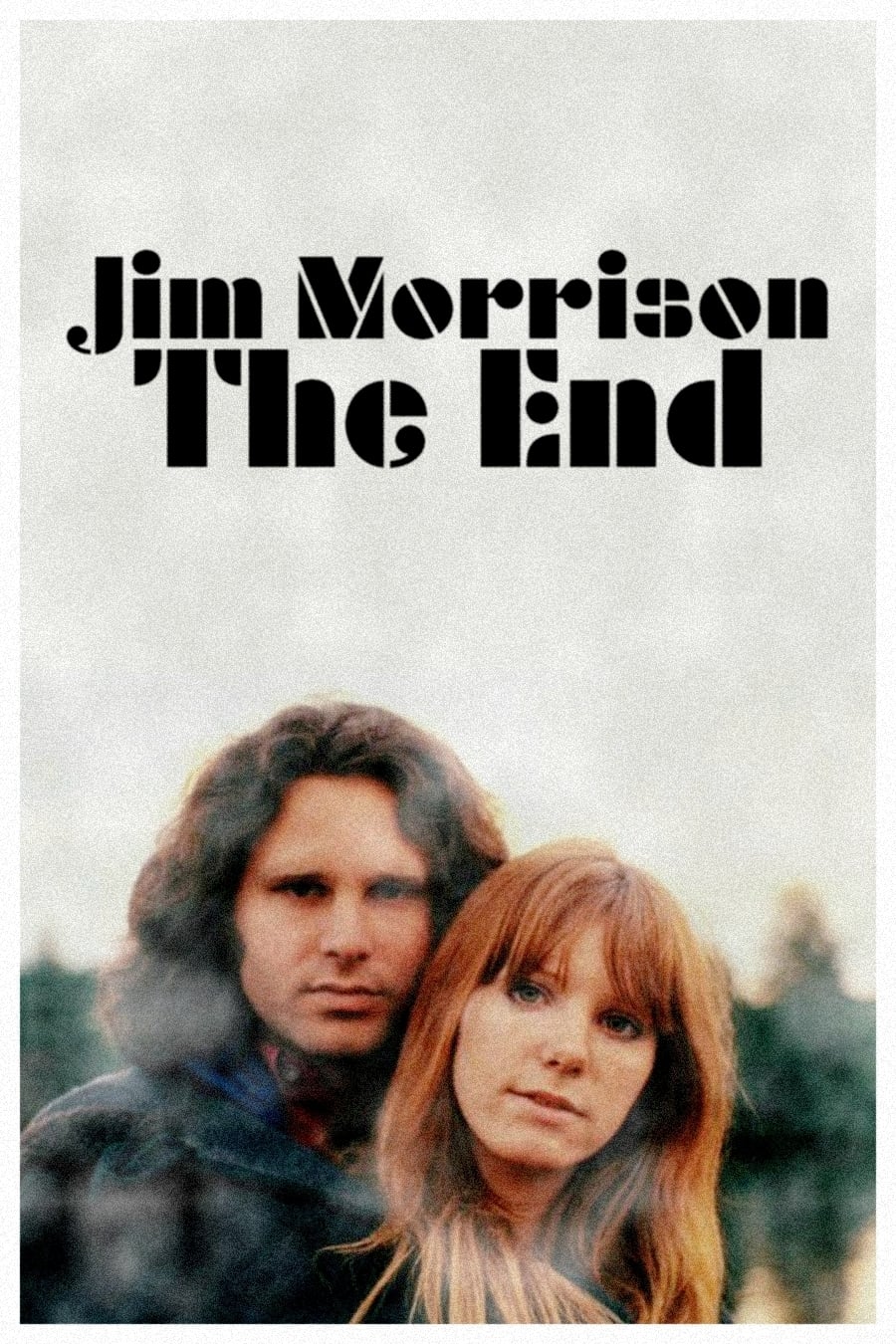
Jim Morrison: The End
Documentary · History · Music
Overview
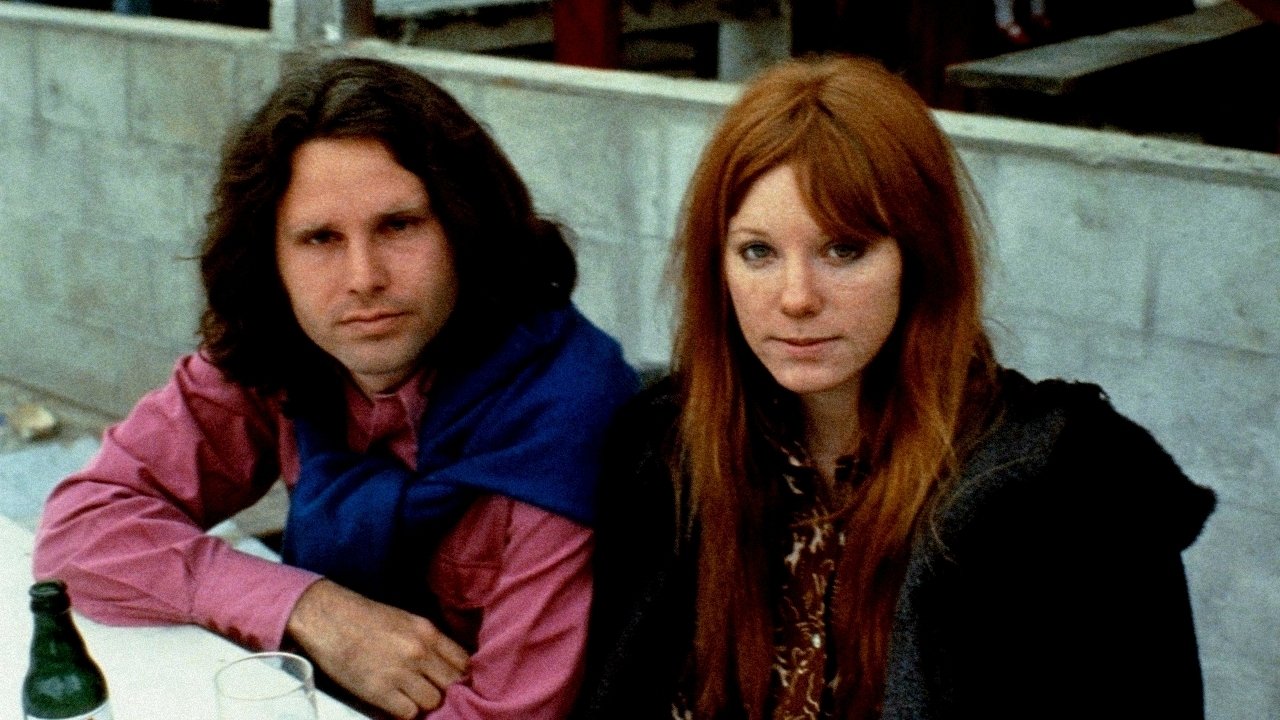
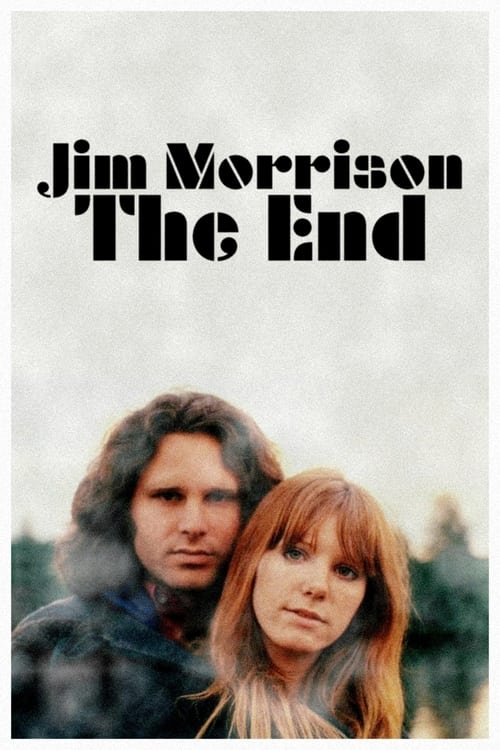
Paris, Rue Beautreillis, July 3, 1971. The corpse of rock star Jim Morrison is found in a bathtub, in the apartment of his girlfriend Pamela Courson. The chronicle of the last months of the life of the poet, singer and charismatic leader of the American band The Doors, one of the most influential in the history of rock.
Top Cast
Olivier Monssens
Self - Narrator (voice)
Dominic Lamblin
Self - Former Music Label Manager
Patrick Coutin
Self - Musician
Philip Steele Trainer
Self - Musician
Jean-Yves Reuzeau
Self - Morrison's Biographer
Frank Lisciandro
Self - Photographer
Patrick Chauvel
Self - War Photographer
Sam Bernett
Self - Club Manager

Rosalie Varda
Self - Varda's Daughter
Frédéric Ploquin
Self - Journalist
François Jouffa
Self - Radio Broadcaster
Gilles Yepremian
Self - Former Music Manager


Olivier Monssens
Olivier Monssens
Self - Narrator (voice)
Olivier Monssens
Self - Narrator (voice)
Dominic Lamblin
Dominic Lamblin
Self - Former Music Label Manager
Dominic Lamblin
Self - Former Music Label Manager
Patrick Coutin
Patrick Coutin
Self - Musician
Patrick Coutin
Self - Musician
Philip Steele Trainer
Philip Steele Trainer
Self - Musician
Philip Steele Trainer
Self - Musician
Jean-Yves Reuzeau
Jean-Yves Reuzeau
Self - Morrison's Biographer
Jean-Yves Reuzeau
Self - Morrison's Biographer
Frank Lisciandro
Frank Lisciandro
Self - Photographer
Frank Lisciandro
Self - Photographer
Patrick Chauvel
Patrick Chauvel
Self - War Photographer
Patrick Chauvel
Self - War Photographer
Sam Bernett
Sam Bernett
Self - Club Manager
Sam Bernett
Self - Club Manager
Rosalie Varda
Rosalie Varda
Self - Varda's Daughter
Rosalie Varda
Self - Varda's Daughter
Frédéric Ploquin
Frédéric Ploquin
Self - Journalist
Frédéric Ploquin
Self - Journalist
Similar Movies
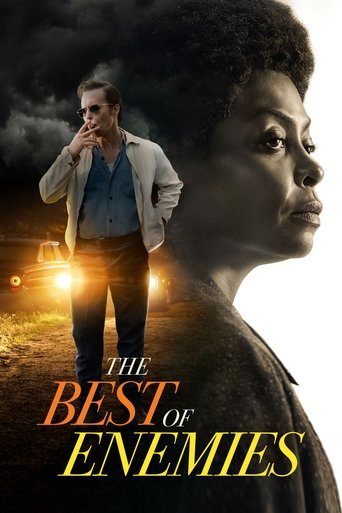
Centers on the unlikely relationship between Ann Atwater, an outspoken civil rights activist, and C.P. Ellis, a local Ku Klux Klan leader who reluctantly co-chaired a community summit, battling over the desegregation of schools in Durham, North Carolina during the racially-charged summer of 1971. The incredible events that unfolded would change Durham and the lives of Atwater and Ellis forever.
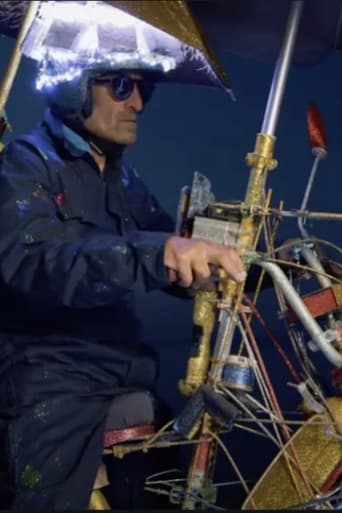
On the outskirts of Augusta lives Orazio: a mechanic by vocation. Due to countless misadventures he cannot open a workshop. To give vent to his anger, he transforms mopeds and scooters into “glittered motorized umbrellas.” Glitter helmets and hyper-colored decorations dress him up; thus begins his passion for “light” understood as a superior force.
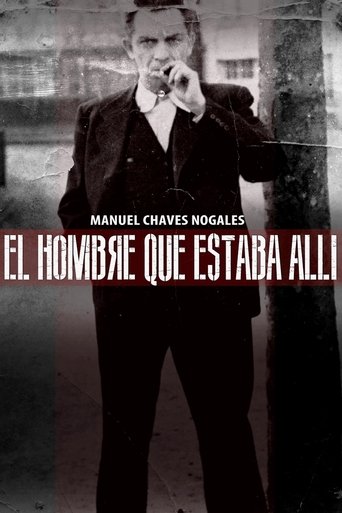
The Spanish journalist Manuel Chaves Nogales (1897-1944) was always there where the news broke out: in the fratricidal Spain of 1936, in Bolshevik Russia, in Fascist Italy, in Nazi Germany, in occupied Paris or in the bombed London of World War II; because his job was to walk, see and tell stories, and thus fight against tyrants, at a time when it was necessary to take sides in order not to be left alone; but he, a man of integrity to the bitter end, never did so.
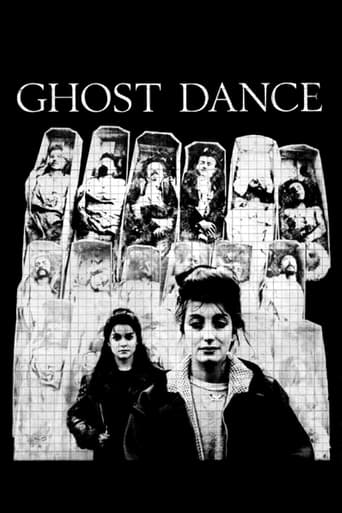
Through the experiences of two women in Paris and London, Ghost Dance offers an analysis of the complexity of our conceptions of ghosts, memory and the past. The film focuses on the French philosopher Jacques Derrida, who observes, 'I think cinema, when it's not boring, is the art of letting ghosts come back.' He also says that 'memory is the past that has never had the form of the present.'