

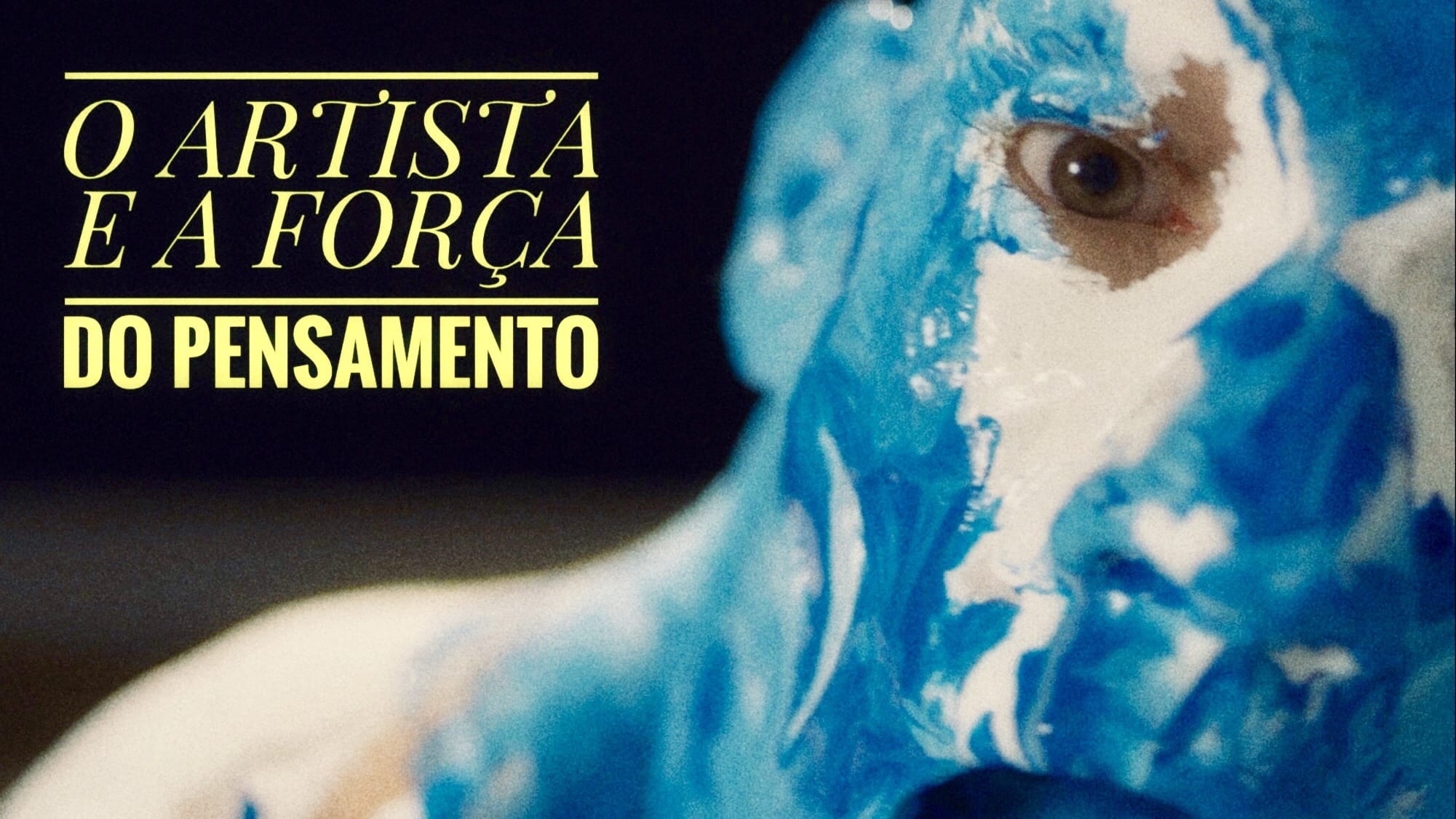

O Artista e a Força do Pensamento
Documentary
Overview
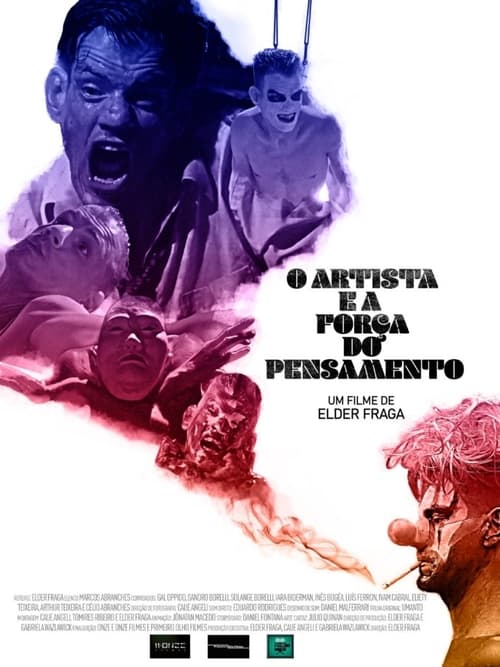
THE ARTIST AND THE FORCE OF THOUGHT, reflects the relationship between balance and imbalance within the partiality of movement of the dancer Marcos Abranches. It oscillates the body to wake up from the emptiness and isolation caused by the imbalance. The movement's lack of aesthetics is felt by abandonment and rejection, understanding that relief is in the support of love. Investigating body movement in a world without anguish, without pain, without despair. Search for life. Find in dance the balance of the body and the beauty of the soul.
Marcos Abranches
Marcos Abranches
Self
Marcos Abranches
Self

Ivam Cabral
Ivam Cabral
Self
Ivam Cabral
Self
Similar Movies
The video revolution of the 1970s offered unprecedented access to the moving image for artists and performers. This Is Not a Dream explores the legacies of this revolution and its continued impact on contemporary art and performance. Charting a path across four decades of avant-garde experiment and radical escapism, This Is Not a Dream traces the influences of Andy Warhol, John Waters and Jack Smith to the perverted frontiers of YouTube and Chatroulette, taking in subverted talk shows and soap operas, streetwalker fashions and glittery magic penises along the way.
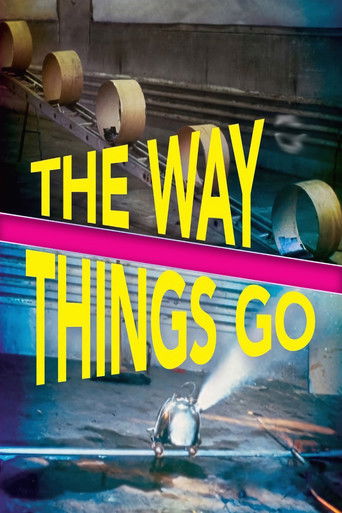
Artists Peter Fischli and David Weiss create the ultimate Rube Goldberg machine. The pair used found objects to construct a complex, interdependent contraption in an empty warehouse. When set in motion, a domino-like chain reaction ripples through the complex of imaginative devices. Fire, water, the laws of gravity, and chemistry determine the life-cycle of the objects. The process reveals a story concerning cause and effect, mechanism and art, and improbability and precision, in an extended science project that will mesmerize the mind.
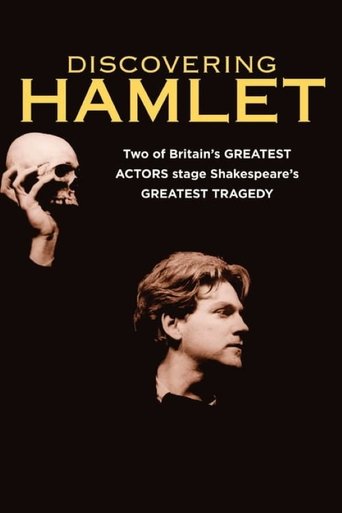
IN 1988, rising star Kenneth Branagh tackled the role of Shakespeare’s prince of Denmark for the first time in his professional career under the guidance of celebrated actor Derek Jacobi. Narrated by Patrick Stewart, this hour-long film documents how Kenneth Branagh and Derek Jacobi, two intelligent and passionate men, found new depths in Shakespeare’s classic drama, Hamlet. Filmmakers Mark Olshaker and Larry Klein follow the company through four weeks of rehearsals, from the first read-throughs to opening night.
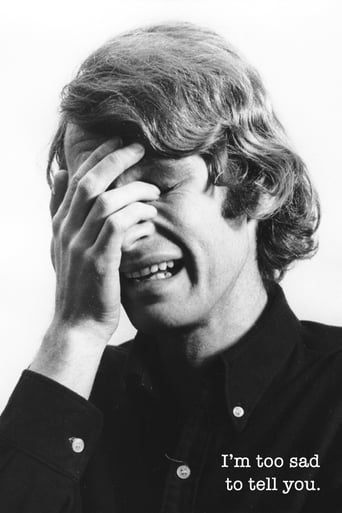
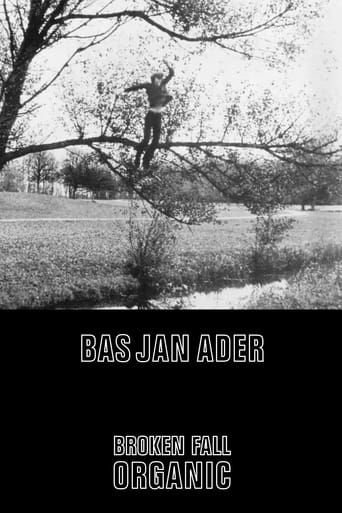
This short film is part of a mixed media artwork of the same name, which also included postcards of Ader crying, sent to friends of his, with the title of the work as a caption. The film was initially ten minutes long, and included Ader rubbing his eyes to produce the tears, but was cut down to three and a half minutes. This shorter version captures Ader at his most anguished. His face is framed closely. There is no introduction or conclusion, no reason given and no relief from the anguish that is presented.
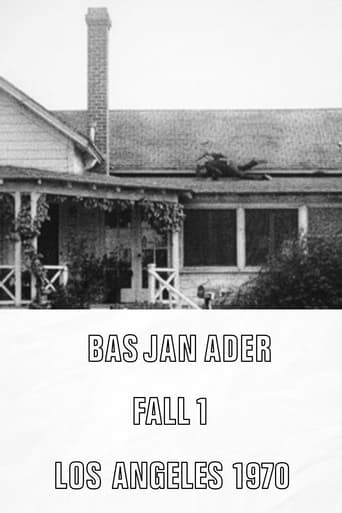
Shot in his garage-studio, the camera records Ader painstakingly hoisting a large brick over his shoulder. His figure is harshly lit by two tangles of light bulbs. He drops the brick, crushing one strand of lights. He again lifts the brick, allowing tension to accrue. The climax inevitable—the brick falls and crushes the second set of lights. Here the film abruptly ends, all illumination extinguished.
As Cirque du Soleil reboots its flagship production, O, more than a year after an abrupt shutdown, performers and crew members face uncertainty as they work to return to their world-class standards in time for the (re)opening night in Las Vegas. With unfettered access, filmmaker Dawn Porter captures the dramatic journey of the world's most famous circus act on its way back from the brink.
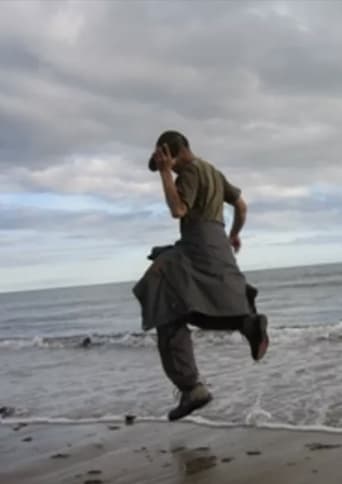
The Rock Touring Around Great Britain is a performance piece by Chinese artist He Yunchang that involved a walking circumambulation of Great Britain from September 23, 2006 to June 14, 2007. Starting from the hamlet of Rock, Northumberland, the artist walked to the nearby town of Boulmer where he selected a rock which he then carried counterclockwise until he returned it to the precise location from which it was taken. As the artist commented, the work was primarily "an attempt to represent the iron will of an individual and the living conditions of his being with simple and pure methods."