

Vltava po válce
Drama · Documentary
Overview
A 4-year-old girl cries, lost in the city. A Soviet soldier on a ferry takes her in and takes her to her home village.





No cast information.
Similar Movies
What does a drone pilot operating on a peacekeeping mission in an unnamed country see on his monitor? We are slowly getting used to the stream of variously distorted images of so-called strategic targets. Along with the ability to see human beings, animals and landscapes in crumbling shapes, sensitivity to who is watching is increasing. The poem Three Economic Units by Tomáš Čada is the source for the film.
It is often easier to suppress stressful experiences instead of dealing with them. And so Klara stands alone in a clearing looking for her child. The young mother sets off on her search and is drawn into the dark forest more than she would like. Disoriented, she threatens to literally sink into it. Restless and guided by the calls of her child, she penetrates deeper and deeper into nature and thus also into the depths of her own consciousness. Accompanied by the gnawing certainty of a terrible truth, she walks on the threshold between reality and dream.
Noriko is perfectly happy living at home with her widowed father, Shukichi, and has no plans to marry -- that is, until her aunt Masa convinces Shukichi that unless he marries off his 27-year-old daughter soon, she will likely remain alone for the rest of her life. When Noriko resists Masa's matchmaking, Shukichi is forced to deceive his daughter and sacrifice his own happiness to do what he believes is right.
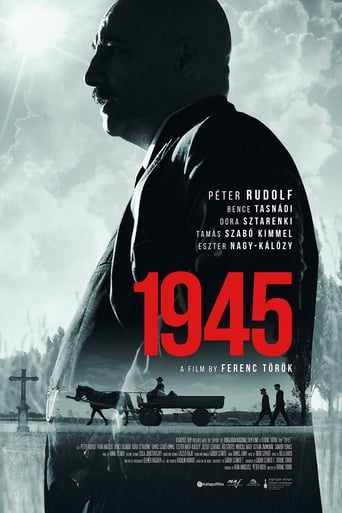
An unsettling feeling overwhelms a small Hungarian town when two orthodox Jews arrive with a mysterious trunk. As residents begin to speculate on the purpose of the visit of these two strangers, order starts to crumble in town with some pursuing devious plans and others finding remorse in their hearts.
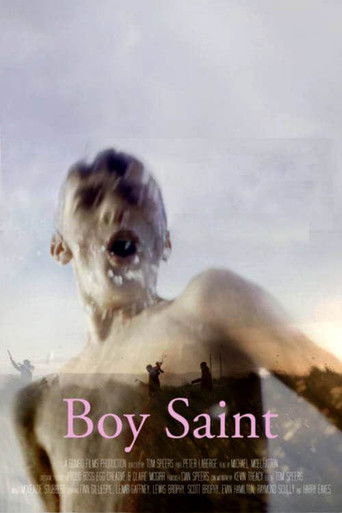
A sumptuous short film of friendship and adoration between boys, based on a poem by Peter LeBerge. Moments of joy, bonding and roughhousing on a school trip to the beach counterpoint one teen boy’s introspective sexual awakenings and questionings. Magnificent cinematography and editing create a visual feast that provides the imagery for a narrated poem by Peter Laberge alluding to early homosexual desires, but with Catholic overtones never directly expressed.