

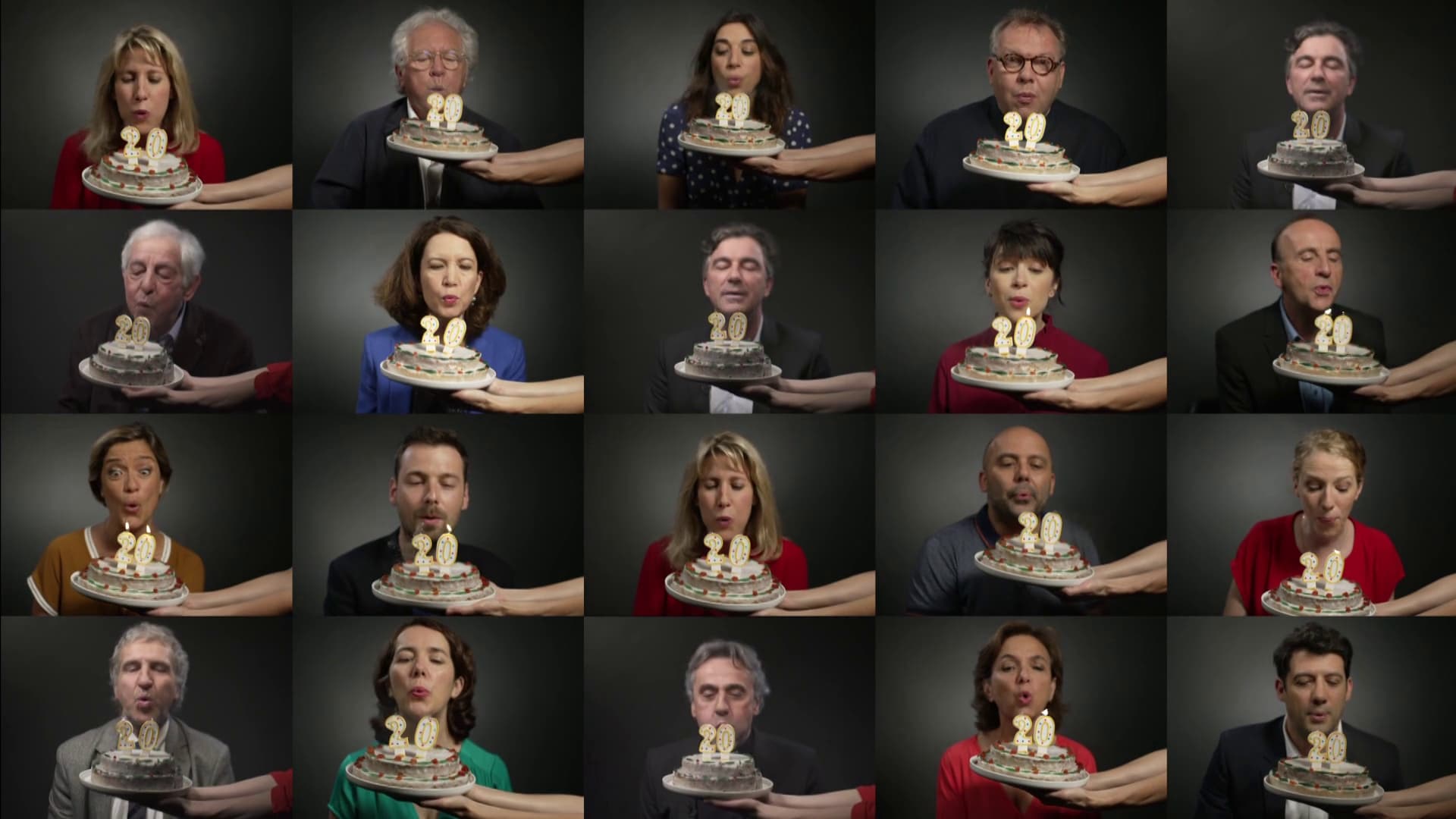
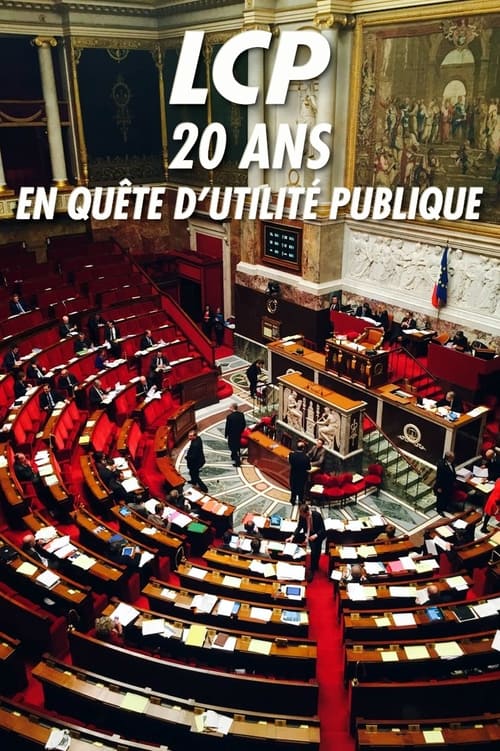
LCP, 20 ans en quête d'utilité publique
Documentary · TV Movie


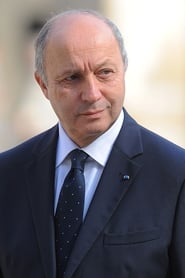
Laurent Fabius
Laurent Fabius
Self
Laurent Fabius
Self
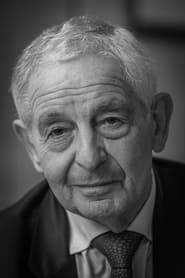
Ivan Levaï
Ivan Levaï
Self
Ivan Levaï
Self

Jean-Pierre Gratien
Jean-Pierre Gratien
Self
Jean-Pierre Gratien
Self
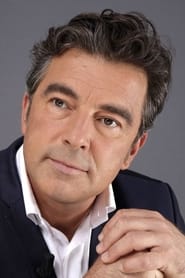
Arnaud Ardoin
Arnaud Ardoin
Self
Arnaud Ardoin
Self
Isabelle Pisani
Isabelle Pisani
Self
Isabelle Pisani
Self
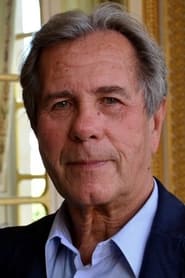
Jean-Louis Debré
Jean-Louis Debré
Self
Jean-Louis Debré
Self
Richard Michel
Richard Michel
Self
Richard Michel
Self
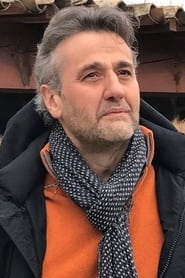
Christophe Mouton
Christophe Mouton
Self
Christophe Mouton
Self

Émilie Aubry
Émilie Aubry
Self
Émilie Aubry
Self
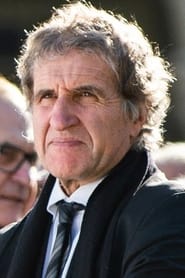
Gérard Leclerc
Gérard Leclerc
Self
Gérard Leclerc
Self
Similar Movies
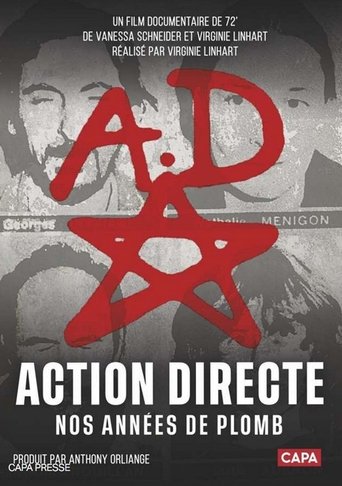
Between 1979 and 1987, a far-left group wreaked havoc across France. Robberies, bombings, assassinations. They struck hard and disappeared in a cloud of explosives, leaflets scattered in the wind, and relentless ideological demands. Their name? Action Directe. More than 80 attacks, 26 wounded, and 12 dead in less than ten years. Stunned French citizens discovered posters plastered everywhere showing portraits of these young women and men who looked like everyone else and whom nothing seemed to be able to stop. A long and intense manhunt began, culminating in the arrest of the group's leadership.
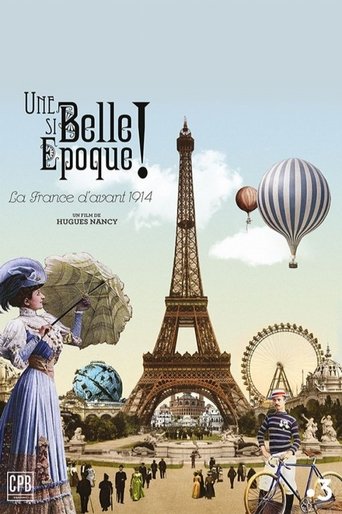
In 1900, the eyes of the whole world are on Paris. The World's Fair welcomed 50 million amazed visitors, and the city celebrated itself in a glamorous era. This period went down in history as the "Belle Époque." Elaborately restored and colorized historical photographs bring to life the exciting life in Paris between the end of the 19th century and the beginning of World War I in 1914. Bicycles, cars, airplanes, moving pictures, newly founded film studios, revolutionary composers and painters, avant-garde ballet performances, fashion houses, summer resorts on the Atlantic coast – life was intoxicating. People celebrate in the variety shows, cabarets, and revue theaters of Paris. Moulin Rouge, Folies Bergères, Bal Tabarin—in Paris, the nights are long and life is too short to sleep through. It is a dance on the volcano, given the political developments in the world.
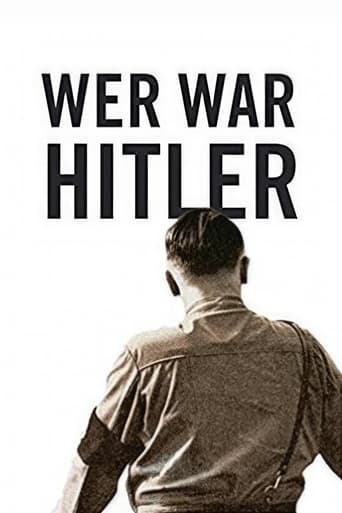
Hitler's biography told like never before. Besides brief historical localizations by a narrator, only contemporaries and Hitler himself speak: no interviews, no reenactment, no illustrative graphics and no technical gadgets. The testimonies from diaries, letters, speeches and autobiographies are assembled with new, often unpublished archive material. Hitler's life and work are thus reflected in a unique way in interaction with the image of the society in the years 1889 to 1945.
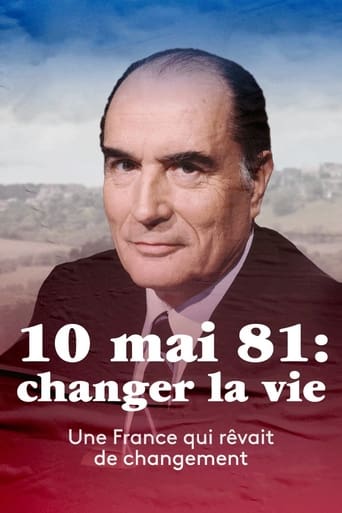
Fourty years ago, in May 1981, with François Mitterrand's election, some people were letting themselves dream about a better life while others were predicting the coming of soviet tanks upon the Champs-Élysées. If we gladly remember the turning point of austerity in 83, there were also the wage rises, the fifth week of paid leave, the abolition of death penalty, the decriminalisation of homosexuality, or the advent of independent radio stations. Rare archives and accounts by those who were at the heart of this story give an overview of it and shed light on lesser-known aspects.