


Only The Young
Overview
Sexy as hell and sweet as candy, these lovely ladies can't wait to show you their wild side. For 4 hours, get ready for 12 pussy-pounding scenes with Audrey Bitoni, Ava Rose, Brynn Tyler, Dani Jensen, Rachel Roxxx and many more. Don't let their adorable looks fool you, because these sweethearts are all about the cock!
Top Cast

Audrey Bitoni
(archive footage)

Ava Rose
(archive footage)

Brynn Tyler
(archive footage)

Dani Jensen
(archive footage)

Jessie Andrews
(archive footage)

Kissy Kapri
(archive footage)

Kyra Steele
(archive footage)

Rachel Roxxx
(archive footage)

Sophia Lynn
(archive footage)

Staci Silverstone
(archive footage)

Tessa Taylor
(archive footage)

Trisha Rey
(archive footage)







Audrey Bitoni
Audrey Bitoni
(archive footage)
Audrey Bitoni
(archive footage)
Ava Rose
Ava Rose
(archive footage)
Ava Rose
(archive footage)
Brynn Tyler
Brynn Tyler
(archive footage)
Brynn Tyler
(archive footage)
Dani Jensen
Dani Jensen
(archive footage)
Dani Jensen
(archive footage)
Jessie Andrews
Jessie Andrews
(archive footage)
Jessie Andrews
(archive footage)
Kissy Kapri
Kissy Kapri
(archive footage)
Kissy Kapri
(archive footage)
Kyra Steele
Kyra Steele
(archive footage)
Kyra Steele
(archive footage)
Rachel Roxxx
Rachel Roxxx
(archive footage)
Rachel Roxxx
(archive footage)
Sophia Lynn
Sophia Lynn
(archive footage)
Sophia Lynn
(archive footage)
Staci Silverstone
Staci Silverstone
(archive footage)
Staci Silverstone
(archive footage)
Similar Movies
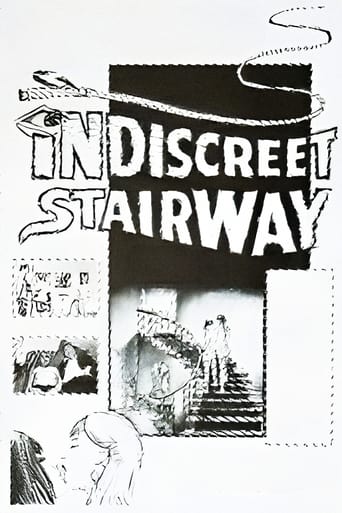
The talking staircase in a French apartment building reveals the intimate lives of five of the building's tenants: two bikini-clad young women go swimming together; a muscleman who is pretending to be a painter uses a nude model; Marcy, a 15-year-old, skips school to attend a party with the milkman; and a woman whose husband is out of town showers and applies skin lotion before going to bed.
A compilation of thirteen rare silent films digitized by the Library of Congress, selected for the 2022 Domitor conference theme “Copy/Rights and Early Cinema.” Drawn from nitrate and safety film, the program spans comedies, trick films, and dramas exploring censorship, invention, adaptation, and social rights. Titles include: Pruning the Movies (Nestor, 1914); Imperial Japanese Dance (Edison, 1894); Early Edison Camera Tests (Edison, c.1890s); Censorship and its Absurdities (Edison, 1915); In Wrong (Crystal, 1914, dir. Phillips Smalley); Tillie’s Tomato Surprise (Lubin, 1915, dir. Howell Hansell); Indian Land Grab (Champion, 1910); The Stolen Play (Falcon Features, 1917, dir. Harry Harvey); And the Villain Still Pursued Her (Vitagraph, 1906, dir. J. Stuart Blackton); The Doll’s Revenge (Hepworth, 1907, dir. Lewin Fitzhamon); The Disintegrated Convict (Vitagraph, 1907); The Mexican Joan of Arc (Kalem, 1911, dir. Kenean Buel); and Fads and Fashions of 1900 (U.S., 1940s).

Catherine, a rebellious pre-teen who has been deeply affected by her parents’ divorce, plays a game which involves crossing a dangerous road with her eyes closed. She becomes friends with the girl next door, the quiet Ariane, to the consternation of Ariane’s father, David. Although he appears to be a model father, David is in fact obsessed by the need to protect his daughter. As such, he tries – unsuccessfully – to prevent Ariane from coming under Catherine’s bad influence. Ariane takes up smoking, starts telling lies, and begins to explore her sexuality. While Catherine’s mother attempts to seduce the handsome, and single, David, he sets a trap for Catherine. For Catherine, living dangerously is no longer a game, and she has to summon all her strengths in order to survive.
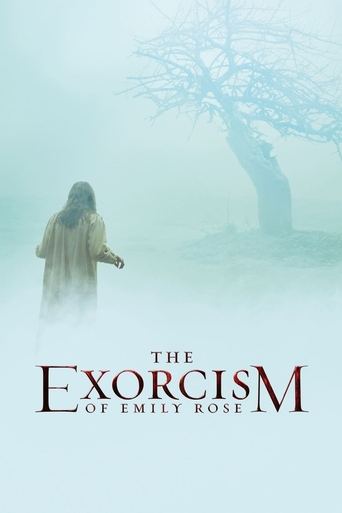
When a younger girl called Emily Rose dies, everyone puts blame on the exorcism which was performed on her by Father Moore prior to her death. The priest is arrested on suspicion of murder. The trial begins with lawyer Erin Bruner representing Moore, but it is not going to be easy, as no one wants to believe what Father Moore says is true.
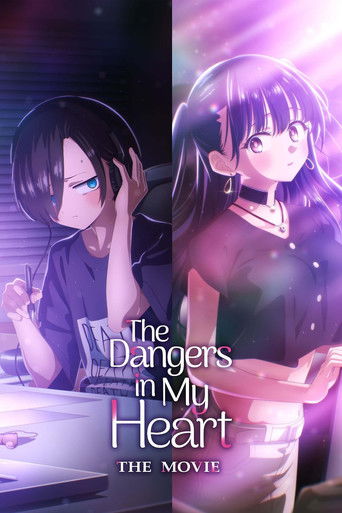
Kyotaro Ichikawa is a painfully awkward middle school boy deep in the throes of eighth-grader syndrome, spending his days obsessed reading morbid books like The Encyclopedia of Murder and anatomical diagrams. His quiet, isolated world is suddenly turned upside down when Anna Yamada, the classroom star, unexpectedly steps into his life. Whether she’s casually eating rice balls in the library, humming to herself, or suddenly closing the distance between them, Yamada’s unpredictable behavior leaves Ichikawa constantly off balance. And before he knows it, she is occupying his everyday thoughts. As they spend more time together, Yamada too begins to find herself drawn to Ichikawa in ways she never expected. It’s the first time either of them has truly understood what it means to “like” someone. Through misunderstandings and clumsy, heartfelt emotions, the distance between them slowly, but surely, begins to close.