

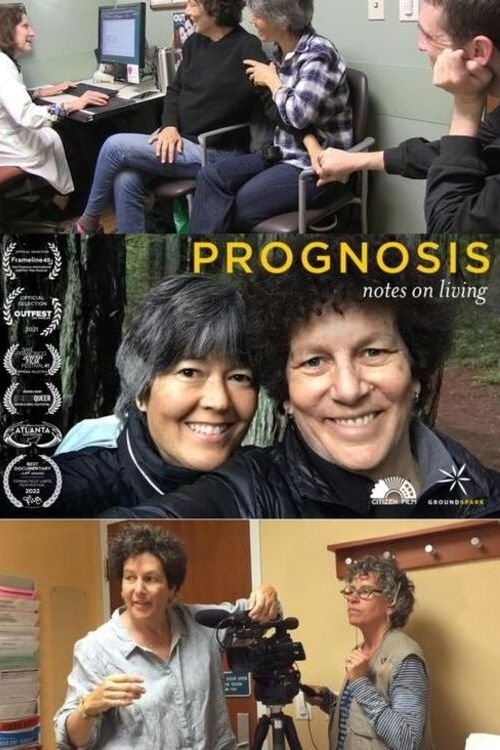
Prognosis: Notes on Living
Documentary
Overview
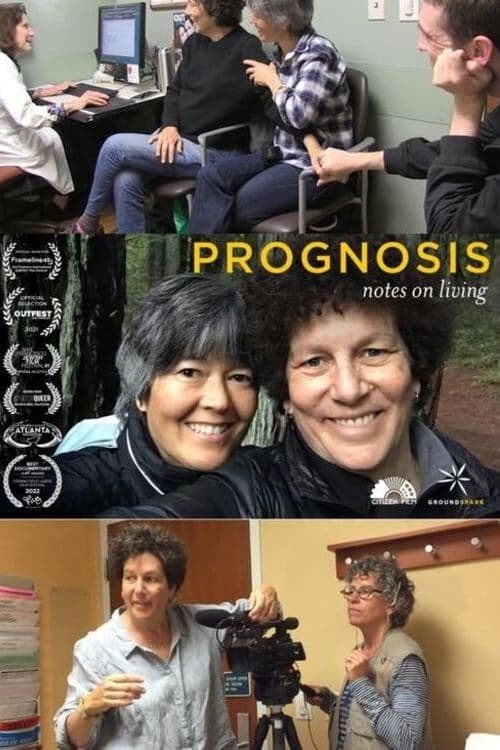
When filmmaker Debra Chasnoff faces stage-4 cancer, she turns her lens on herself and the disease. What emerges is a portrait of her extended LGBTQ family —a story about hanging on while letting go.
Top Cast







Debra Chasnoff
Debra Chasnoff
Herself
Debra Chasnoff
Herself
Nancy Otto
Nancy Otto
Herself
Nancy Otto
Herself
Noah Klausner Chasnoff
Noah Klausner Chasnoff
Himself
Noah Klausner Chasnoff
Himself
Oscar Chasnoff Klausner
Oscar Chasnoff Klausner
Himself
Oscar Chasnoff Klausner
Himself
Similar Movies
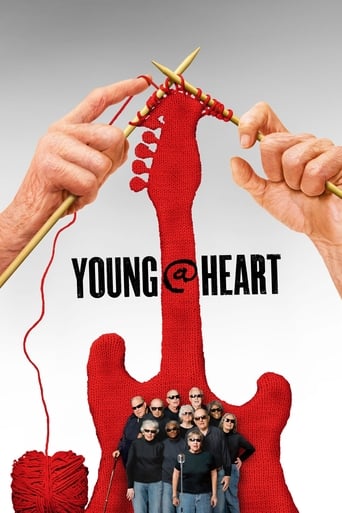
Documents the true story of the final weeks of rehearsal for the Young at Heart Chorus in Northampton, MA, and many of whom must overcome health adversities to participate. Their music goes against the stereotype of their age group. Although they have toured Europe and sang for royalty, this account focuses on preparing new songs for a concert in their hometown.

Benoît built his paradise hidden from view, emancipated in his own way, resolved to face the constraints of a space which, in imaginations, conflicts with his identity. The countryside. One day, he and other queers from the area decide to organize the first Pride of the Périgord vert, because it is time to come out, to take up space to celebrate, heal, and finally open a path.

In late 1955 and early 1956, the citizens of Boise, Idaho believed there was a menace in their midst. On Halloween, investigators arrested three men on charges of having sex with teenage boys. The investigators claimed the arrests were just the tip of the iceberg-they said hundreds of boys were being abused as part of a child sex ring. There was no such ring, but the result was a widespread investigation which some people consider a witch hunt. By the time the investigation ended, 16 men were charged. Countless other lives were also touched.In some cases, men implicated fled the area. At least one actually left the country. The investigation attracted attention in newspapers across the nation, including Time Magazine. The "Morals Drive" left scars which remain to this day.
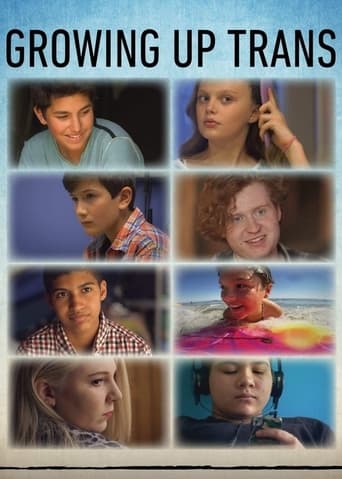
Just a generation ago, it was adults, not kids, who changed genders. But today, many children are transitioning, too—with new medical options, and at younger and younger ages. Told from the perspective of parents, doctors, and, most revealing of all, the kids themselves, the documentary takes a powerful look at this new generation, exploring the medical possibilities, struggles and choices transgender kids and their families face today.

In the indigenous communities around the town of Juchitán, the world is not divided simply into males and females. The local Zapotec people have made room for a third category, which they call “muxes” - men who consider themselves women and live in a socially sanctioned limbo between the two genders.