

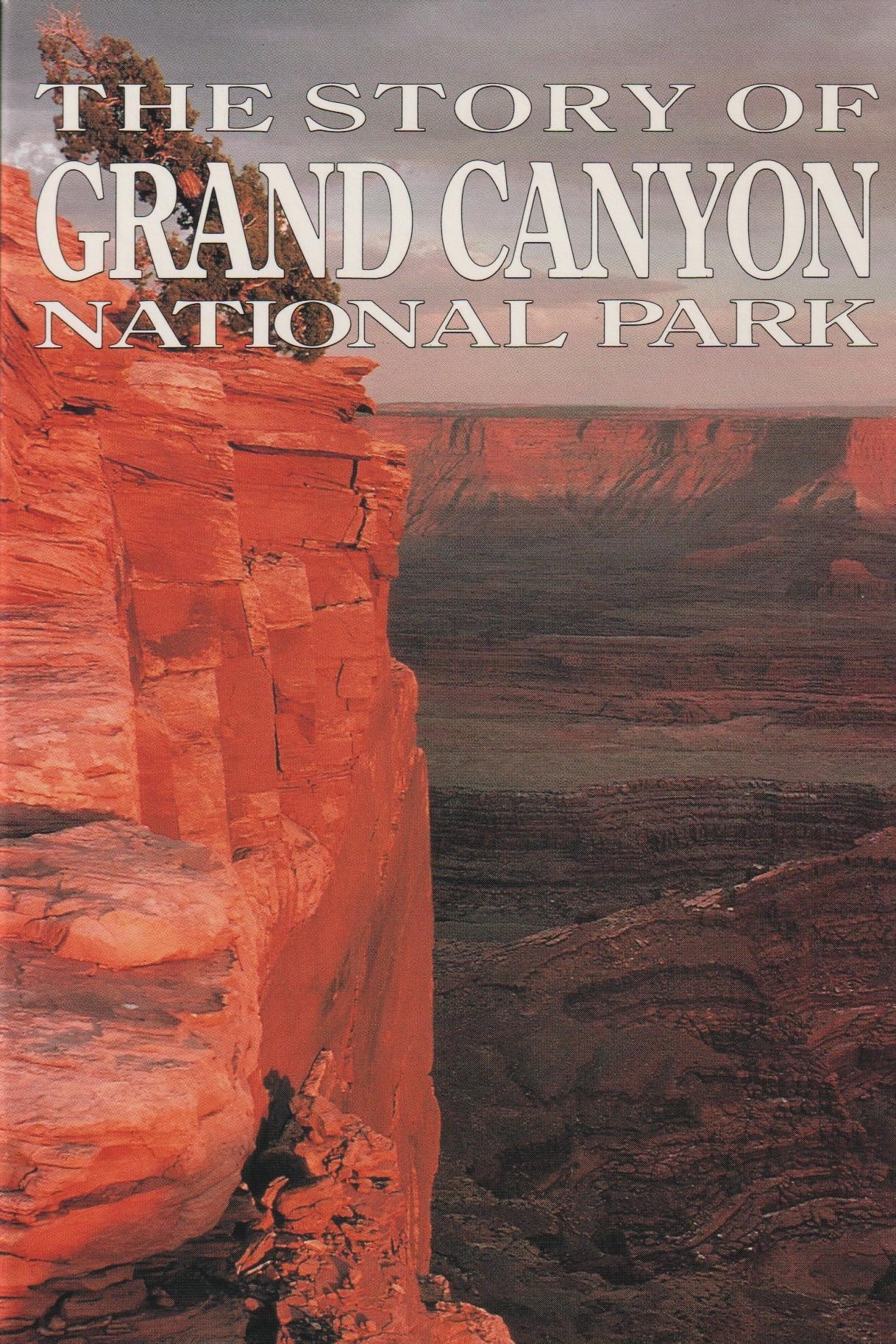
The Story of Grand Canyon National Park
Documentary
Overview
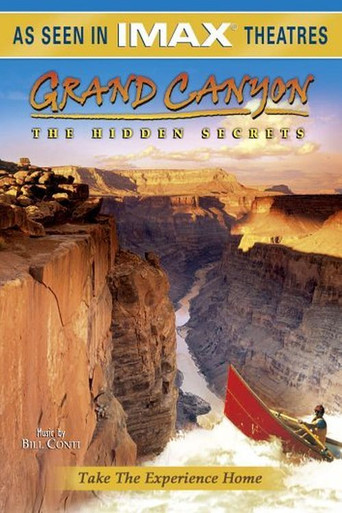
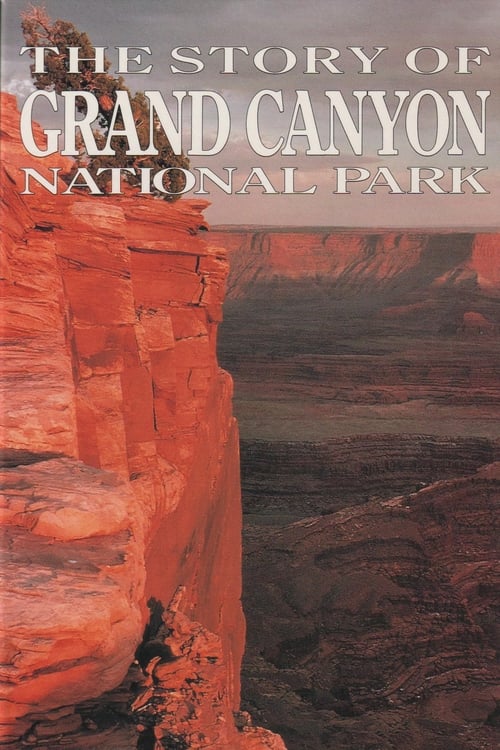
Two thousand square miles, a mile deep, approximately 10 miles wide- no geological feature on earth evokes a wider spectrum of human emotions than does the Grand Canyon of Arizona. It is impossible not to be profoundly moved when confronting such immensity. But it is more than a chasm, it is alive with mule deer, mountain lions, coyotes, bighorn sheep, wild turkeys, blue grouse, blue heron, desert tortoises, and the rare kaibab squirrel, found only in the Grand Canyon. Long before the Spanish arrived, the Anasazi (Ancient Ones) lived here. Included is an exclusive segment, never before filmed, of Shaman's Gallery, a significant Anasazi find of rock paintings in the Grand Canyon area, dating between 2000 B.C., and A.D 1. Established in 1908, Theodore Roosevelt proclaimed the Grand Canyon a parkland and said "do nothing to mar its grandeur, keep it for your children, your children's children, and all who will come after you."





No cast information.
Similar Movies
Light is a fascinating phenomenon. Without light, there would be no cinema, no film – and no life. So light is at the origin of everything, and yet it remains invisible to the eye until it hits matter. This moment is – quite literally – the starting point of Thomas Riedelsheimer’s latest work, for the springtime spectacle of rainbow shreds in the cinematographer and documentary filmmaker’s flat became the starting point of a search for the origin of the images we form of this world. For this quest he dived deep into two spheres that seem to follow different laws but always strive to fathom the magical: physics and art.
Described as being a film about determination, danger and the ocean’s greatest depths, James Cameron's "Deepsea Challenge 3D" tells the story of Cameron’s journey to fulfill his boyhood dream of becoming an explorer. The movie offers a unique insight into Cameron's world as he makes that dream reality – and makes history – by becoming the first person to travel solo to the deepest point on the planet.
Every year, on the steppes of the Serengeti, the most spectacular migration of animals on our planet: Around two million wildebeest, Burchell's zebra and Thomson's gazelles begin their tour of nearly 2,000 miles across the almost treeless savannah. For the first time, a documentary captures stunning footage in the midst of this demanding journey. The documentary starts at the beginning of the year, when more than two million animals gather in the shadow of the volcanoes on the southern edge of the Serengeti in order to birth their offspring. In just two weeks, the animal herd's population has increased by one third, and after only two days, the calves can already run as fast as the adults The young wildebeest in this phase of their life are the most vulnerable to attacks by lions, cheetahs, leopards or hyenas. The film then follows the survivors of these attacks through the next three months on their incredible journey, a trip so long that 200,000 wildebeest will not reach the end.
In this spectacular exploration you'll take a journey through the 4,000-year history of mankind's relationship with the Grand Canyon. Discover the earliest inhabitants of the Canyon whose lives are still shrouded in mystery. Travel with Spanish explorers as they become the first Europeans to uncover the Canyon's awesome beauty. Ride along in the re-enactment of US explorer John Wesley Powell's expedition down the raging Colorado River, when nine crew members risk their lives to become the first to travel the length of the Canyon by boat. Grand Canyon: The Hidden Secrets will take you into the rarely visited side canyons filled with hidden waterfalls and unusual wildlife. Experience the Canyon as never before: soaring over the rim and flying through some of the most inspiring scenery on Earth.
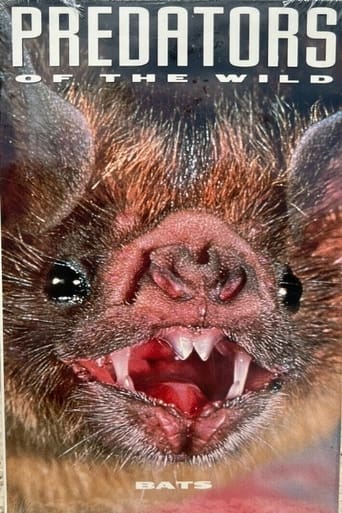
Fascinating footage of swooping bats, their remarkable habits and habitats, and close-up looks at their interesting yet eerie faces are featured in this documentary, volume seven of the Predators of the Wild series. Most bats eat insects, which may not always come to mind when one thinks of predators and prey -- although the fact that a swarm of bats can eat 30,000 pounds of insects in one night is staggering. Bats make up almost one-fourth of all of the mammals in the world, but only three species of bats are "true vampires" who rely on the blood of other animals for sustenance.