

Läle
Documentary
Overview
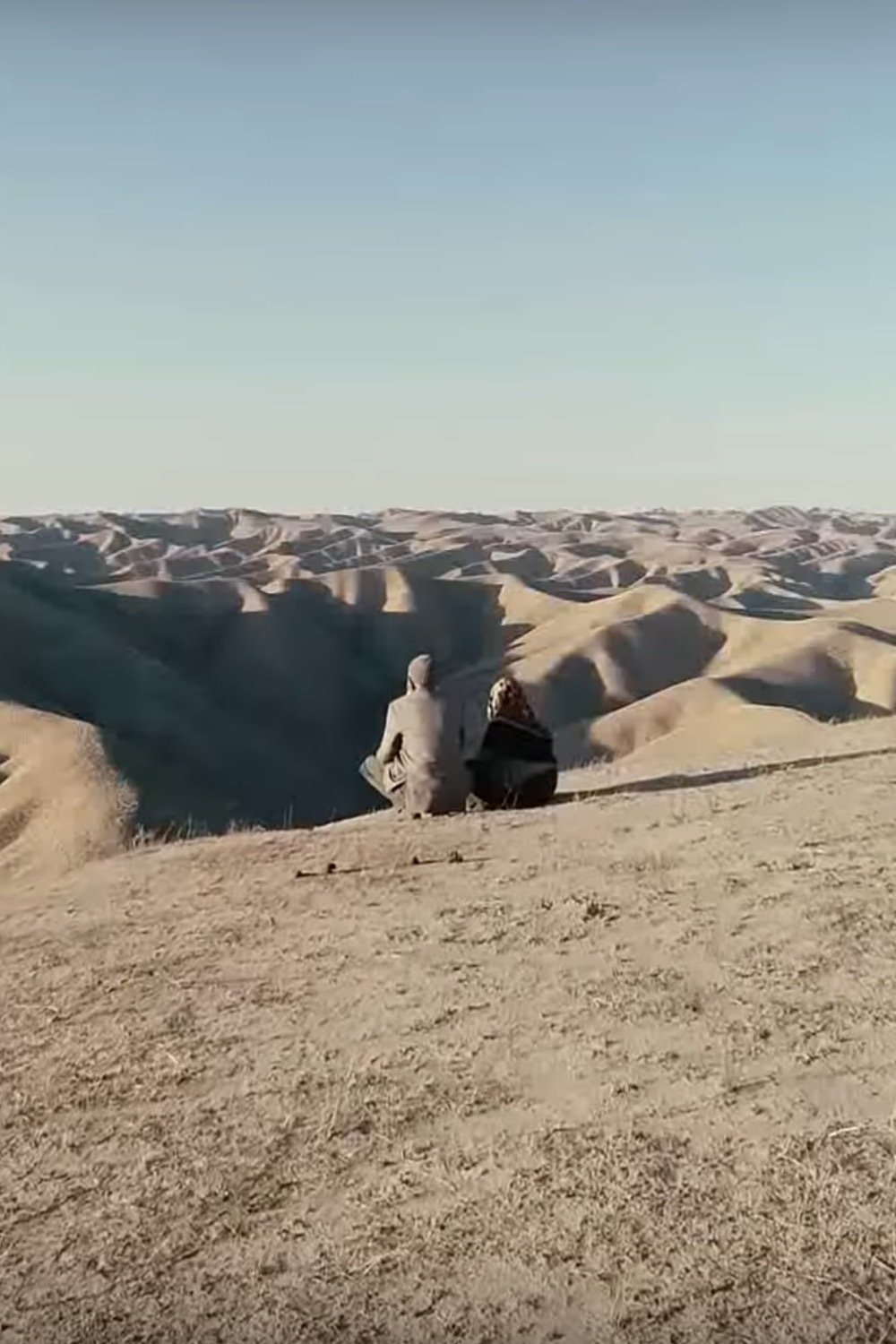
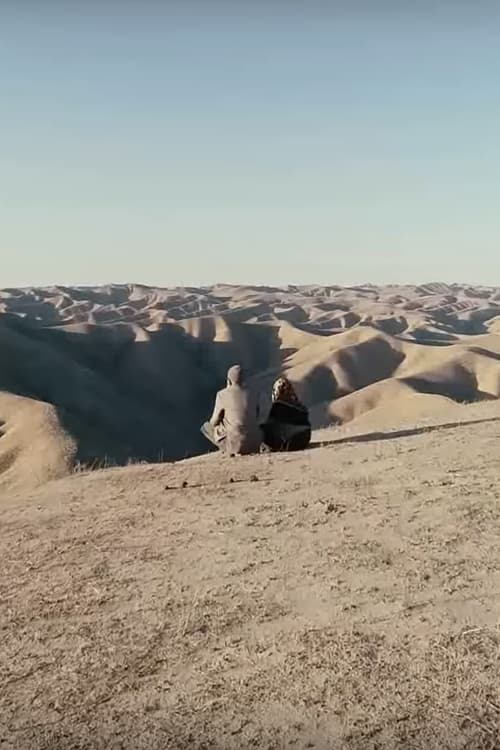
A village man living in the Turkmen Sahra of Iran makes the periodic trip to his aging parent's house, bringing them food and checking on them. They reside alone in the region's barren hinterland, where they have refused to move into town with him. From there, one witnesses a day in their daily life together. English subtitles are included.
No cast information.
Similar Movies

In Turkmen language, Atlan means "mount a horse and depart". Horse is the most important element in the life of Iranian Turkmen. That's why courses are some of the most significant social events in their land, Turkmen Sahara. Turkmen Sahara is a region in north eastern Iran and is homeland to Iranian Turkmen. Ali is a Turkman with his life, like many of his peers', intertwined with courses. Now his wedding depends on his success in courses. This documentary film is about Iranian horses.
A social drama. The period of the Second World War in Turkmenia. In Central Asia the deportation program of the Soviet citizens of German origin begins. All adults are taken to camps in Siberia and children are put in orphanages. The six-year old Georg hides from the Red soldiers and finds himself left almost alone in his, now abandoned, German village. The horrifying reality sets in. The daily routine of his life is shocking: What to eat? How to take care of his sick friend Yashka? How to bury Aunt Lisa? Under these inhuman circumstances, the soul of Georg remains miraculously uncorrupt – he still believes in Little Angel from a children’s song, and he makes a nest for it in a tree. A miracle takes place: sometimes a glass of milk is left for Georg in the nest; sometimes an ear of corn...
Study of the relationship between observer and landscape in the contemplative experience. The view building the landscape from the necessary distance. The delimitation of its borders against the total continuum of nature. The observer immersed in the path of his gaze across the landscape. Resting the gaze in the details that make the globallity. The view selecting the space included as a landscape.
A documentary portrait of Tiit Pääsuke, the most prominent painter in contemporary Estonia. Artist per excellence, creator of the imaginary picture-landscapes, a charming person, adorer of the woman’s beauty, gentleman and a colonel in local whisky club - Tallinn Uisge Beatha Club. “When painting, I compose the details of my pictures, my human models not as traditional painter, but more like film or theatre director works with actors, my compositions are as performances, theatrical happenings”. - Tiit Pääsuke

In 1931 the rains stopped and the "black blizzards" began. Powerful dust storms carrying millions of tons of stinging, blinding black dirt swept across the Southern Plains — the panhandles of Texas and Oklahoma, western Kansas, and the eastern portions of Colorado and New Mexico. Topsoil that had taken a thousand years per inch to build suddenly blew away in only minutes. One journalist traveling through the devastated region dubbed it the "Dust Bowl." This American Experience film presents the remarkable story of the determined people who clung to their homes and way of life, enduring drought, dust, disease — even death — for nearly a decade. Less well-known than those who sought refuge in California, typified by the Joad family in John Steinbeck's "The Grapes of Wrath," the Dust Bowlers who stayed overcame an almost unbelievable series of calamities and disasters.
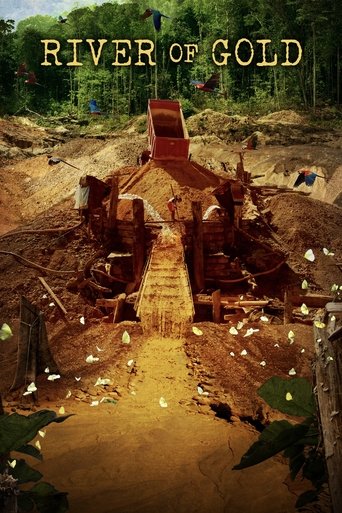
Narrated by Academy Award winners Sissy Spacek and Herbie Hancock, River of Gold is the disturbing account of a clandestine journey into Peru's Amazon rainforest to uncover the savage unraveling of pristine jungle. What will be the fate of this critical region of priceless biodiversity as these extraordinarily beautiful forests are turned into a hellish wasteland?