

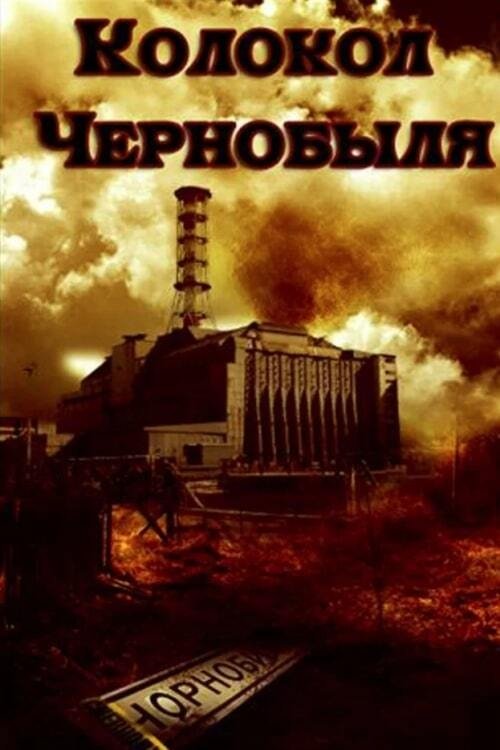
The Bell of Chornobyl
Documentary
Overview
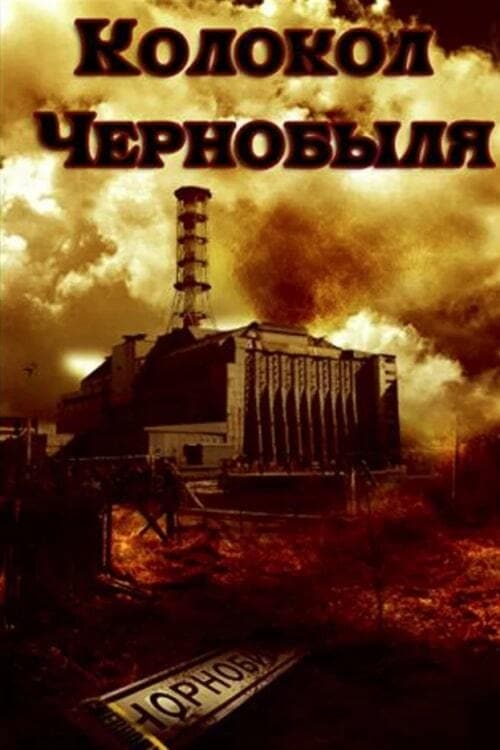
The first full-length film about the Chornobyl tragedy, filmed in May-September 1986. The authors did not set themselves the task of showing an exhaustive picture of what happened in Chornobyl. They sought to capture the testimonies of people directly involved in the tragedy, the lessons of which have yet to be realized.

No cast information.
Similar Movies
Takes viewers inside the homes of people seriously affected by increasingly ferocious floods hitting the UK. With one in six British homes now at risk of flooding, residents across the country count the cost, both financial and mental, to their communities affected by flooding over the last decade.
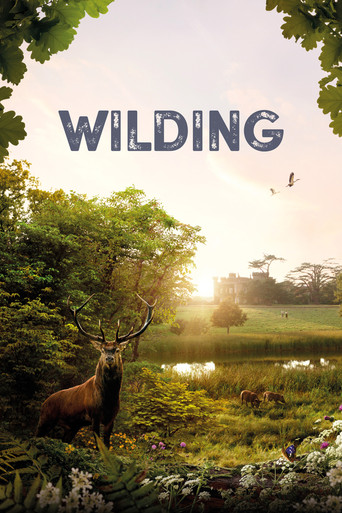
A young couple battle entrenched tradition and hostile forces to bet on nature for the future of their failing, four-hundred-year-old estate. Ripping down the fences, they set the land back to the wild and entrust its recovery to a motley mix of animals both tame and wild, beginning a grand experiment.
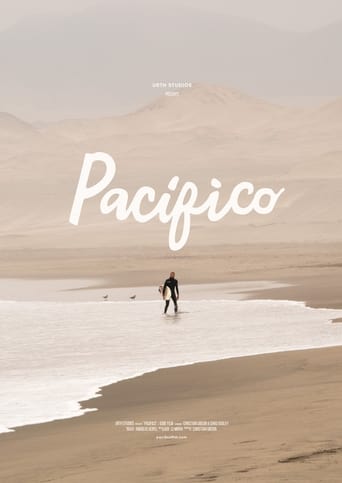
What starts as a desire to experience nature more intimately develops into a relatable conversation on alternative pathways through life. Two friends go on a two-year road trip through Latin America. Presenting an insight into long term travel and how engaging in new cultures and environments can help widen our perspective and deepen our understanding of the world we live in. Pacifico forms a discussion around the pros and cons of living in the moment; Showing how slowing down and observing the world mindfully can aid in gaining perspective and broaden an understanding of what is important in life.
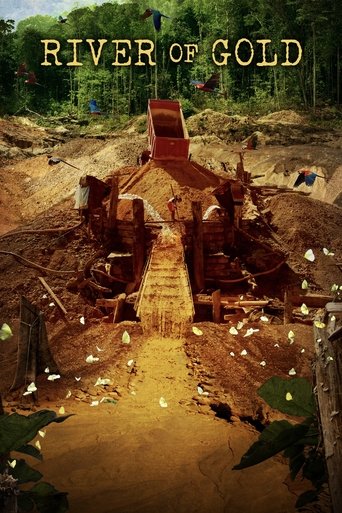
Narrated by Academy Award winners Sissy Spacek and Herbie Hancock, River of Gold is the disturbing account of a clandestine journey into Peru's Amazon rainforest to uncover the savage unraveling of pristine jungle. What will be the fate of this critical region of priceless biodiversity as these extraordinarily beautiful forests are turned into a hellish wasteland?
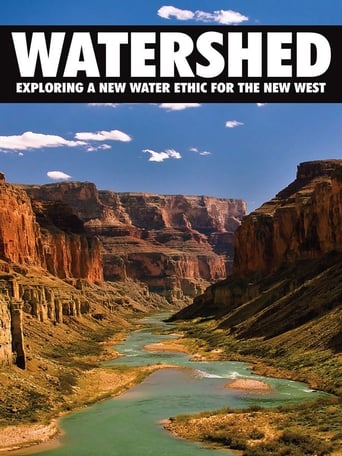
As the most dammed, dibbed, and diverted river in the world struggles to support thirty million people and the peace-keeping agreement known as the Colorado River Pact reaches its limits, WATERSHED introduces hope. Can we meet the needs of a growing population in the face of rising temperatures and lower rainfall in an already arid land? Can we find harmony amongst the competing interests of cities, agriculture, industry, recreation, wildlife, and indigenous communities with rights to the water? Sweeping through seven U.S. and two Mexican states, the Colorado River is a lifeline to expanding populations and booming urban centers that demand water for drinking, sanitation and energy generation. And with 70% of the rivers’ water supporting agriculture, the river already runs dry before it reaches its natural end at the Gulf of California. Unless action is taken, the river will continue its retreat – a potentially catastrophic scenario for the millions who depend on it.