

Letters from My Windmill
Comedy · Drama
Overview
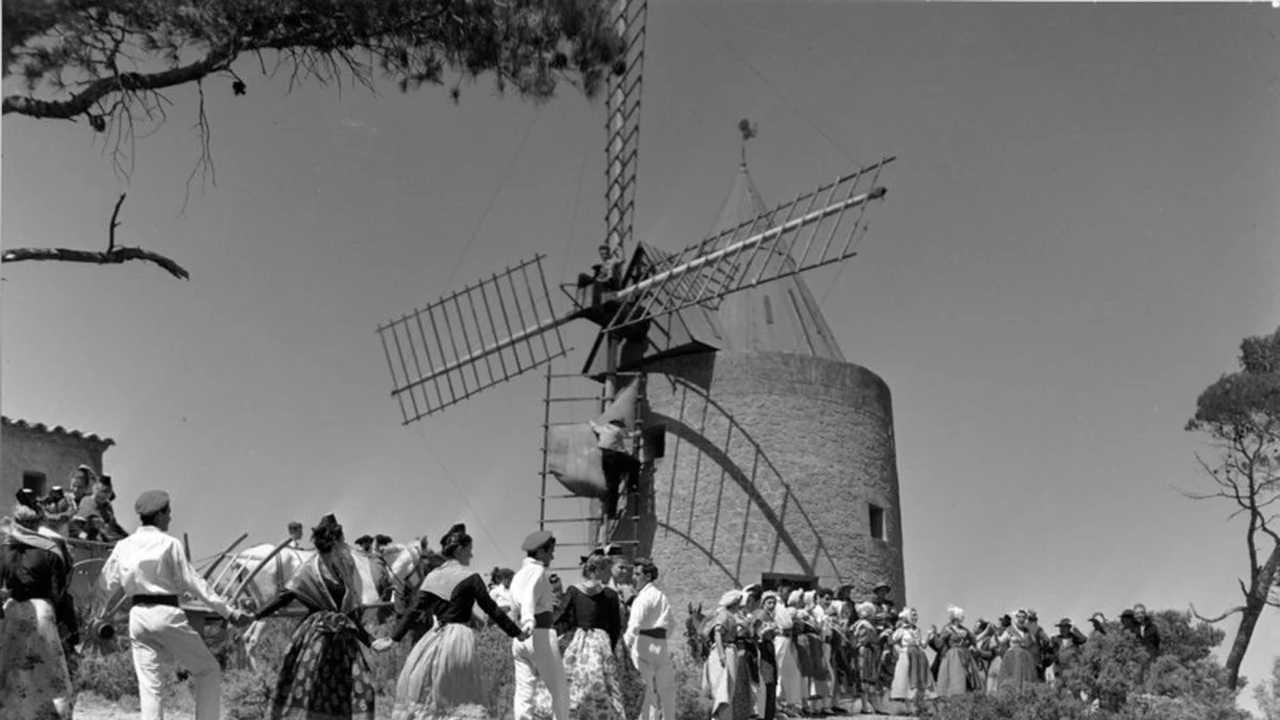
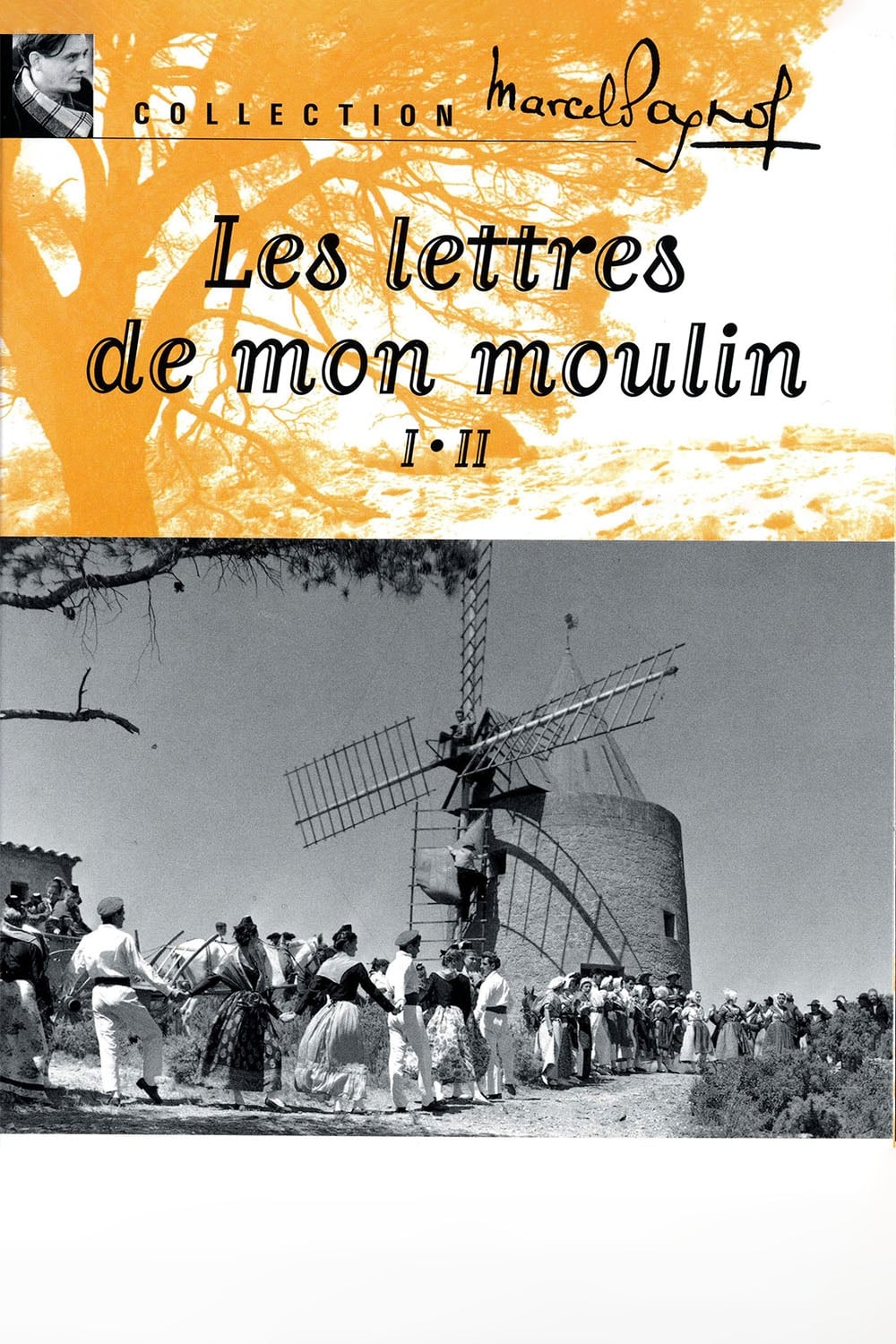
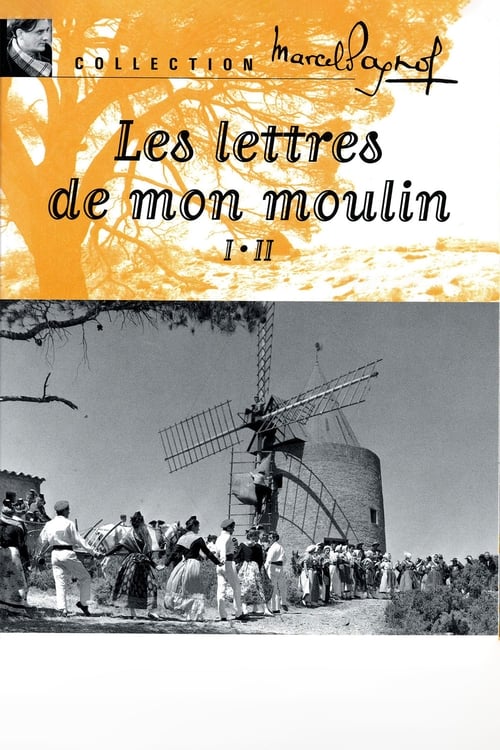
Set in the countryside of Provence, the film is based on three tales from Alphonse Daudet's 1869 short story collection Letters from My Windmill: "The Three Low Masses", "The Elixir of Father Gaucher" and "The Secret of Master Cornille".




Antonin Fabre
Antonin Fabre
Maître Arnoton
Antonin Fabre
Maître Arnoton
Fernand Sardou
Fernand Sardou
M. Charnigue
Fernand Sardou
M. Charnigue
Robert Vattier
Robert Vattier
le père Abbé
Robert Vattier
le père Abbé
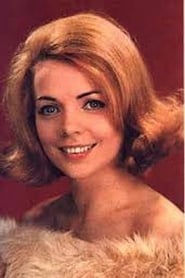
Pierrette Bruno
Pierrette Bruno
Vivette
Pierrette Bruno
Vivette
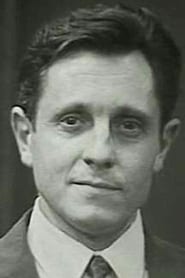
Roger Crouzet
Roger Crouzet
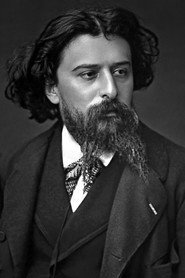
Alphonse Daudet
Roger Crouzet
Alphonse Daudet
Serge Davin
Serge Davin
Roumanille
Serge Davin
Roumanille
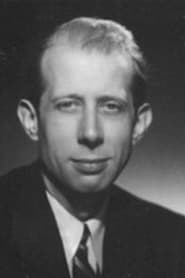
Christian Lude
Christian Lude
le père Sylvestre
Christian Lude
le père Sylvestre
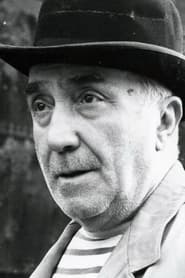
Henri Arius
Henri Arius
M. Decanis
Henri Arius
M. Decanis
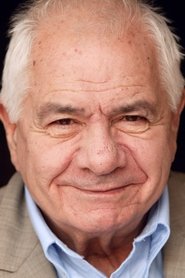
Michel Galabru
Michel Galabru
Anselme
Michel Galabru
Anselme

Rellys
Rellys
Le père Gaucher
Rellys
Le père Gaucher
Similar Movies
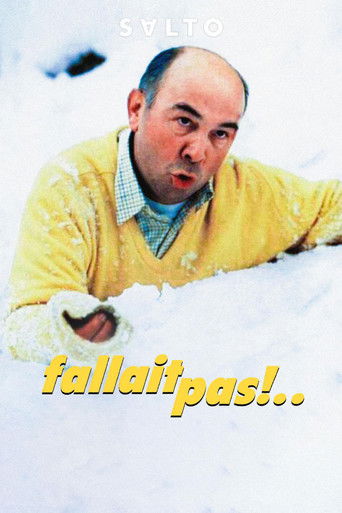
Bernard, an executive for a big company, tries to get home in time for his wedding but is caught in the middle of a mass suicide. He saves a sect member who then follows him like a puppy, and is chased by the sect leaders, two over-the-top crooks with bloated egos and a craving for money.
Houses, now abandoned and empty, are being boarded up in Besence of the Ormányság. "Only-childism" is in fashion, due to the law that provides for the way in which landed properties are inherited. The birth of children that are "not desirable" is being prevented through illegal medical intervention, which is often responsible for the death of pregnant women. The happiness of János and Julis are also the victims of this attitude: their parents would not hear of another child.
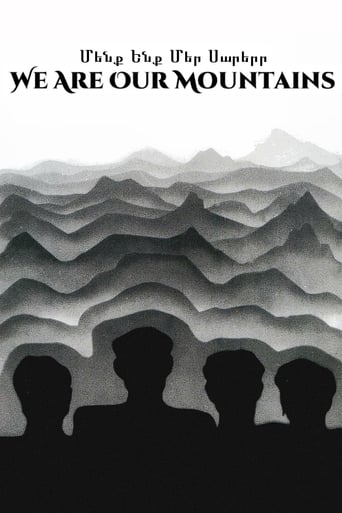
The tranquility of a remote Armenian mountain community is disrupted when a group of shepherds affected by the pangs of an evening hunger, decide to butcher and barbecue the sheep of another's that have strayed into their herd. An official inquiry by the city police complicates matters, and questions of law, morality and community only seem to lead to further entanglements.

If you get the chance to fulfill your lifelong dream, you shouldn't hesitate for long and must seize the opportunity. That's how idealistic midwife Irene Lieblich sees it. Her big dream is to open her own birth center. She has already found the perfect place for her project: a beautifully situated property on the outskirts of a picturesque Bavarian town. It all seems like a sure thing - the application has been submitted to the local council, the building finance is secured thanks to an unexpected inheritance and Irene has already rented a small terraced house for herself and her nine-year-old daughter Katja. But then, to Irene's horror, another interested party turns up for the property: funeral director Siegfried Schroff. He also wants to fulfill his dream of opening a private cemetery in this rural idyll.
The bells of the Calvinist church in Garabó have been silent for years, and people prefer to go the Rumanian church. Returning from his studies in Utrecht, Simándy Pál - at his own request - gets a job here, in the alpine village. The young Hungarian minister meets Florica, the educated daughter of Todorescu, the Rumanian pope, whom he knew before. She falls in love with him.