

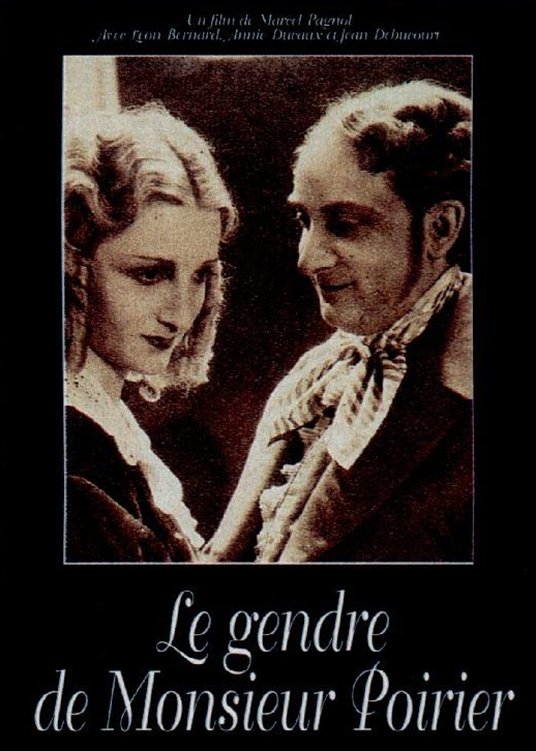
Mr Poirier's Son-in-Law
Comedy
Overview
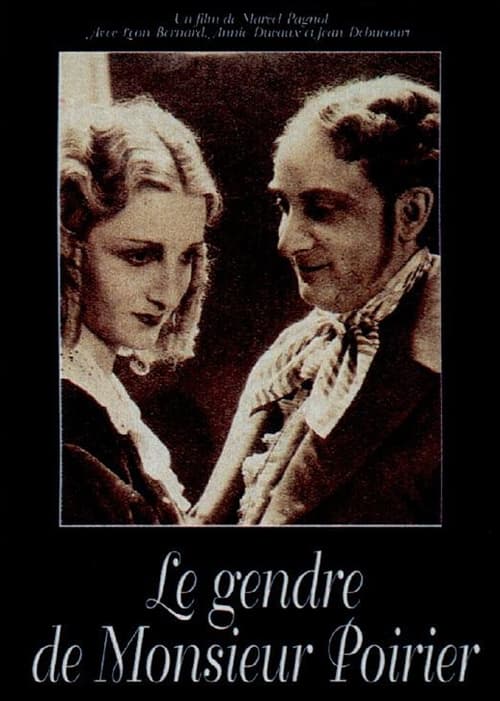
This is the story of a wealthy bourgeois who marries his only child, a daughter, to a penniless nobleman because he hopes to use his son-in-law to get a title. The son-in-law is a lazy, affected stereotype; but M. Poirier is also a stereotype, of the obnoxious big businessman. The poor daughter, who falls in love with her husband, lets him walk all over her.



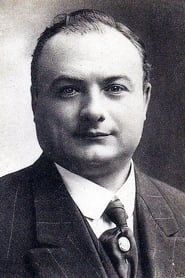
Léon Bernard
Léon Bernard
Monsieur Poirier
Léon Bernard
Monsieur Poirier

Annie Ducaux
Annie Ducaux
Antoinette
Annie Ducaux
Antoinette

Jean Debucourt
Jean Debucourt
Gaston de Presles
Jean Debucourt
Gaston de Presles

Maurice Escande
Maurice Escande
Hector de Montmeyran
Maurice Escande
Hector de Montmeyran
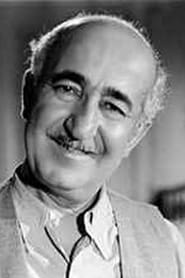
Fernand Charpin
Fernand Charpin
Verdelet
Fernand Charpin
Verdelet

Raoul Marco
Raoul Marco
le premier créancier
Raoul Marco
le premier créancier
Albert Gercourt
Albert Gercourt
le deuxième créancier
Albert Gercourt
le deuxième créancier

Henry Darbray
Henry Darbray
Henry Darbray
Michel Kovachevitch
Michel Kovachevitch
Michel Kovachevitch
Similar Movies
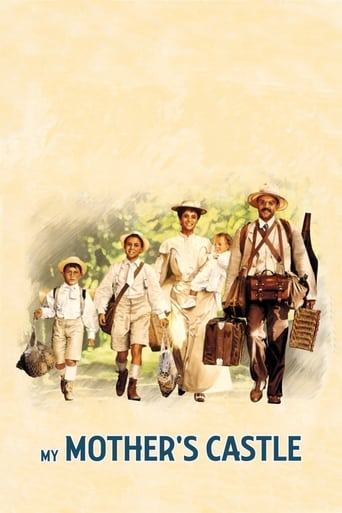
To his chagrin, young Marcel Pagnol and his family move back to their home in Marseille, France, far from their pastoral holiday cottage in the hills. Determined, Marcel makes the long voyage back to the cottage on foot and lands himself in trouble. One day Marcel's father discovers a shortcut to the cottage, but it requires trespassing. Despite their trepidations, Marcel and his family begin using the secret trail to reach their cottage.
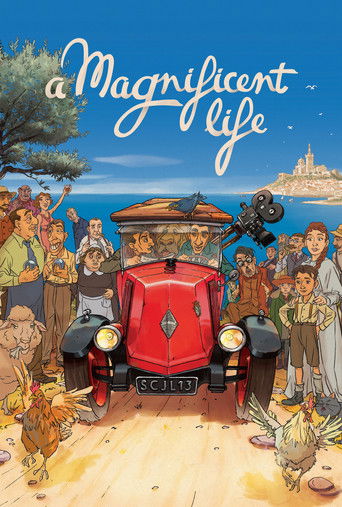
In 1955, 60-year-old Marcel Pagnol is a well-known and acclaimed playwright and filmmaker. When the editor-in-chief of ELLE magazine commissions a weekly column about Pagnol's childhood, he sees this as a great opportunity to go back to his artistic roots: writing. Realizing his memory is failing him and deeply affected by the disappointing results of his last two plays, Pagnol starts doubting his ability to pursue his work. That is until Little Marcel - the young boy he used to be - appears to him as if by magic. Together, they will explore Marcel Pagnol's incredible life and bring back to life his most cherished encounters and memories...
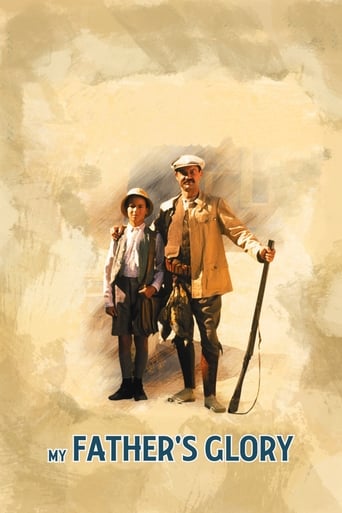
Raised by his science teacher father, Joseph Pagnol, and seamstress mother Augustine, young Marcel grows up during the turn of the century in awe of his rationalist dad. When the family takes a summer vacation in the countryside, Marcel becomes friends with Lili, who teaches him about rural life.
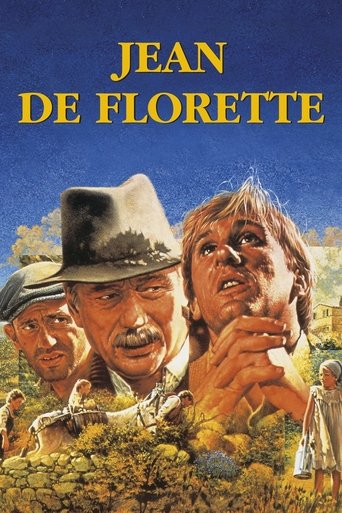
In a rural French village, an old man and his only remaining relative cast their covetous eyes on an adjoining vacant property. They need its spring water for growing their flowers, and are dismayed to hear that the man who has inherited it is moving in. They block up the spring and watch as their new neighbour tries to keep his crops watered from wells far afield through the hot summer. Though they see his desperate efforts are breaking his health and his wife and daughter's hearts, they think only of getting the water.
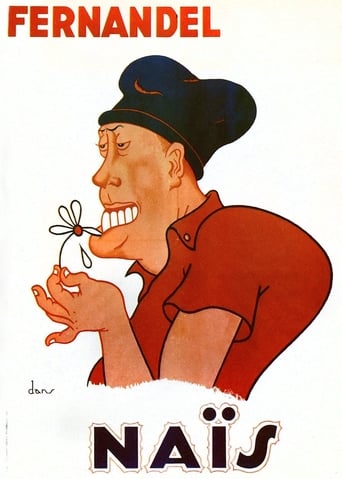
Toine, the local hunchback, works at the tile manufacturing plant, but during the summer, he gives a hand to Micoulin, the farmer, thereby being able to spend more time close to Nais, Micoulin's daughter. That summer, the estate owner's son, Frederic Rostaing, decides to rest on the farm during his vacation from Law school. But his real motives are to seduce young Nais, whom he knows from their childhood days, after having seen her in town. Who will win the power struggle between the possessive father, the naive daughter, the vile student and the golden-hearted cripple?

The works of Marcel Pagnol are a veritable monument of French cultural heritage. Based on previously unseen archive material, film extracts, novels, plays, interviews and letters, the film pays tribute to the major author and popular filmmaker, who made his life a work and his work a life's project.
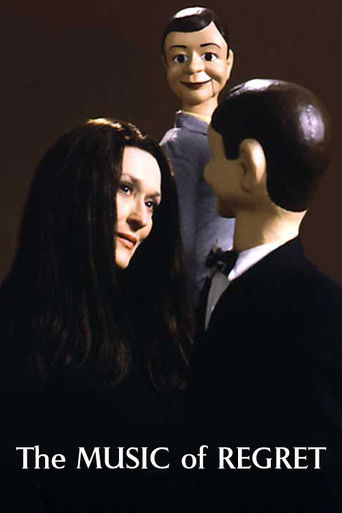
Simmons, best-known for her photographs of miniature rooms populated by dolls and of oversized objects—such as a house, birthday cake, and pistol—balanced on female legs, both human and fake, brings these characters to life in a three-act mini-musical. The film is inspired by three distinct periods of Simmons’s photographic work: vintage hand puppets, ventriloquist dummies and walking objects enact tales of ambition, disappointment, love, loss, and regret. Working with composer Michael Rohaytn ("Personal Velocity") and cameraman Ed Lachman ("The Virgin Suicides" and "Far From Heaven"), Simmons’s puppets come to life in miniature domestic scenes that echo real life.