

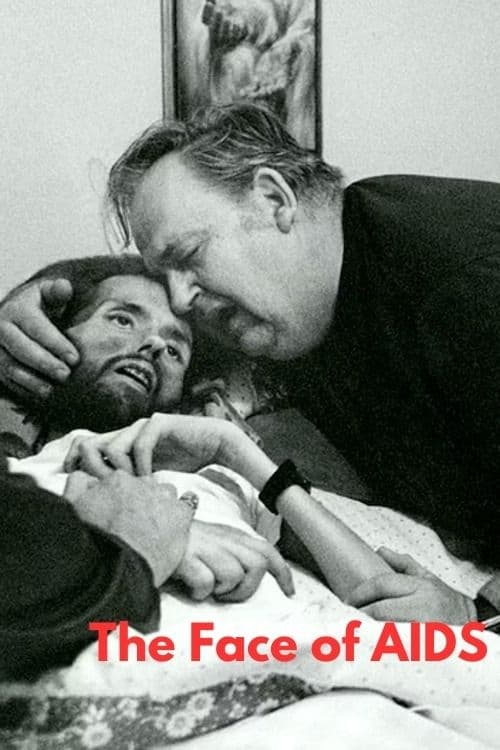
The Face of AIDS
Documentary
Overview
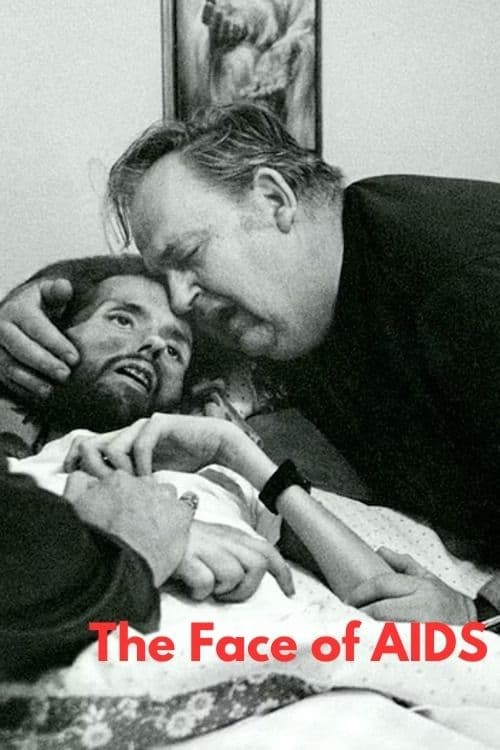
Therese Frare's photograph of the AIDS activist David Kirby on his deathbed incited international controversy when it was used in a United Colors of Benetton advertisement in 1992. This short documentary, commissioned by TIME Magazine for their series 100 Photos about the most influential photographs of all time, features photographer Therese Frare, former Benetton Creative Director Oliviero Toscani, and the artists and AIDS activists Tom Kalin and Marlene McCarthy.


No cast information.
Similar Movies
Against the backdrop of the approaching global threat to humanity - the AIDS disease, threatening to undermine the moral and ethical climate of the USSR and its citizens who lived by the immutable code of the builders of communism, rejecting any moral vices of humanity, the film shows that the "risk group" in the form of drug addicts, prostitutes and homosexuals in the Soviet country not only exists, but its scale is great ... What the heroes of the film themselves, whom Soviet doctors and politicians classified as a "risk group", talk about in this first "revolutionary" video film.
Legendary photographer and director Anton Corbijn is responsible for many of the most indelible and important images of the past two and a half decades. His recently released book U2 & I is a photographic retrospective of his 25 year collaboration with U2. Later this year, Anton will direct his first feature film, Control, based on the life of the late Joy Division lead singer Ian Curtis.

Letter Beyond the Walls reconstructs the trajectory of HIV and AIDS with a focus on Brazil, through interviews with doctors, activists, patients and other actors, in addition to extensive archival material. From the initial panic to awareness campaigns, passing through the stigma imposed on people living with HIV, the documentary shows how society faced this epidemic in its deadliest phase over more than two decades. With this historical approach as its base, the film looks at the way HIV is viewed in today's society, revealing a picture of persistent misinformation and prejudice, which especially affects Brazil’s most historically vulnerable populations.
The Bokelberg photographic collection brings to life the Paris of the Belle Époque (1871-1914), an exhibition of workshops and stores with extremely beautiful shop windows before which the owners and their employees proudly pose, hiding behind their eyes the secret history of a great era.

William Hart McNichols is a world renowned artist, heralded by Time magazine as "among the most famous creators of Christian iconic images in the world". As a young Catholic priest from 1983-1990 he was immersed in a life-altering journey working as a chaplain at St. Vincent's AIDS hospice in New York city. It was during this time that he became an early pioneer for LGBT rights within the Catholic church. "The Boy Who Found Gold" is a cinematic journey into the art and spirit of William Hart McNichols. The film follows his colorful life as he crosses paths with presidents, popes, martyrs, and parishioners, finding an insightful lesson with each encounter. McNichols' message as a priest, artist and man speaks to the most powerful element of the human spirit: Mercy.

Through interviews with key AIDS Healthcare Foundation (AHF) stakeholders from over the years coupled with archival video footage culled from AHF's 30 years of advocacy, care and activism, 'Keeping the Promise' tells a compelling story of AHF's history while offering a glimpse of, and road map to its future.
The Holocaust began with the indiscriminate mass shootings by the Einsatzgruppen in the bloodlands of Eastern Europe and was perfected in the gas chambers at Auschwitz. “Bullets And Blueberries” explores the motives, methods and madness of the perpetrators, using never-before-seen images captured by the killers themselves — images that fully capture the banality of evil.