

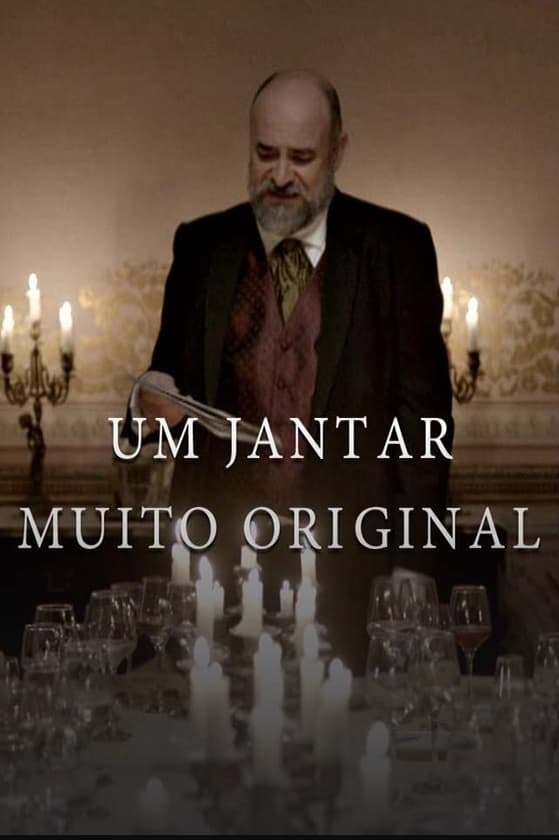
Um Jantar Muito Original
TV Movie · Drama
Overview
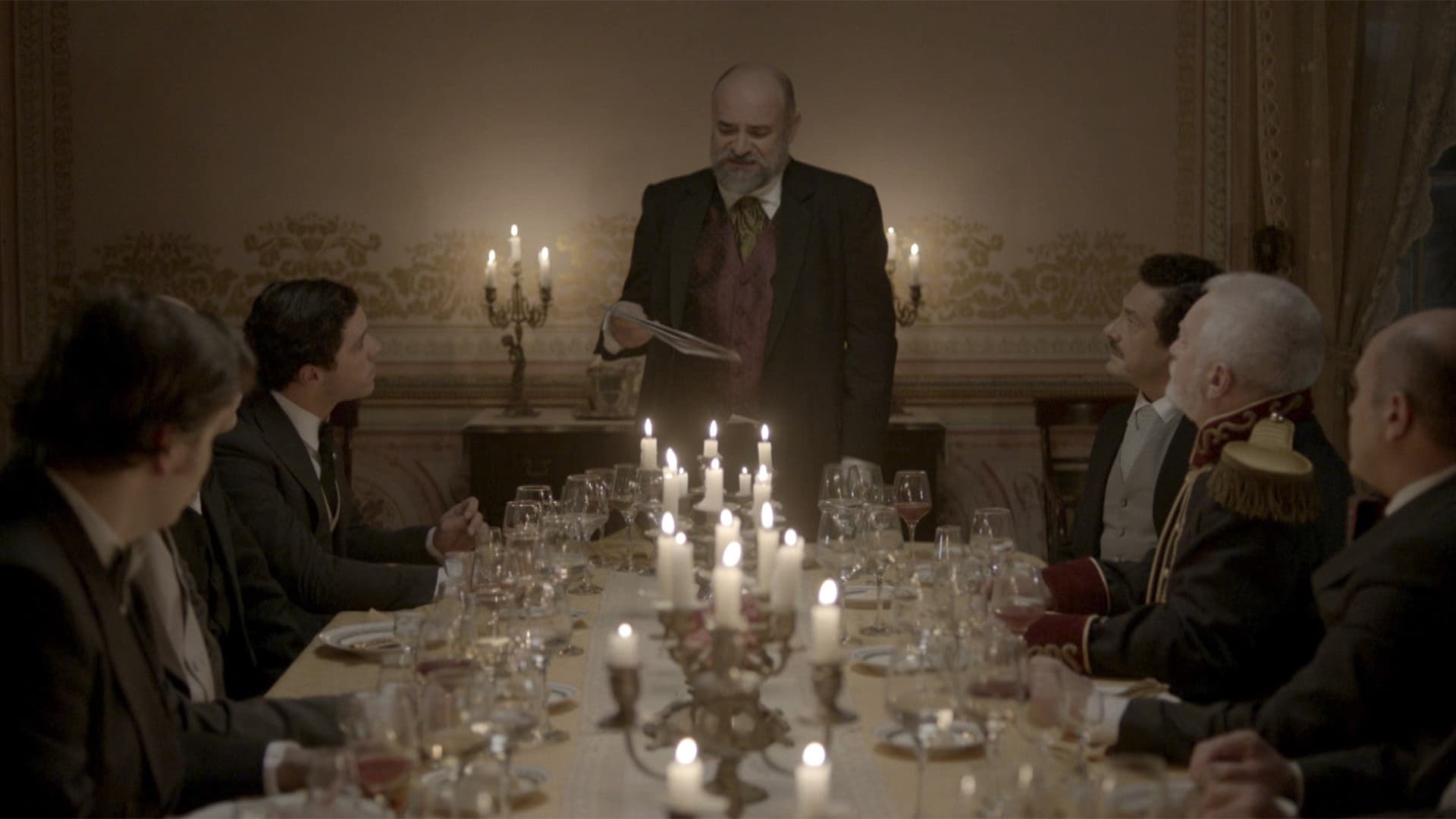
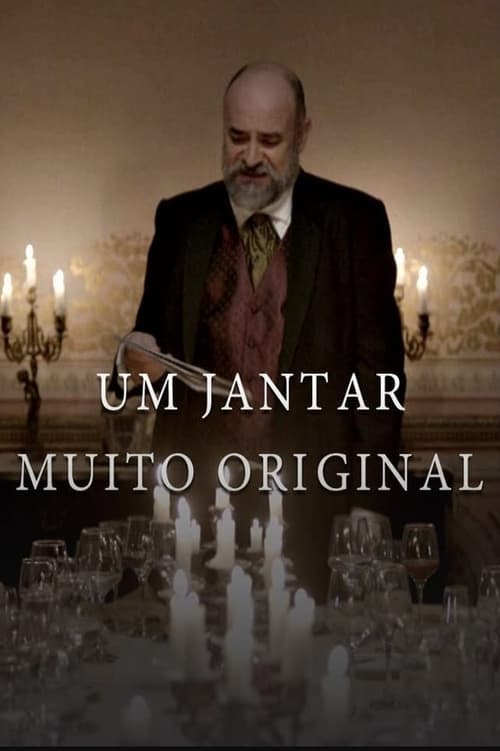
1907. The Porto Chamber has just been won by the Republicans, in full monarchy, three years away from the revolution. Republican ideas are taking hold and monarchical institutions are beginning to be shaken. However, the Sociedade Gastronómica de Lisboa resists and apparently is one of the strongest bastions of the monarchy. But winds of change blow within the walls of the traditional and conservative Society. A young member, Dr. Duarte Rodrigues, decides to run for president, held by the mysterious Prositt, who made his fortune in Africa. Duarte, stating that he does not want to betray the illustrious president, but as he is somewhat worn out and hopelessly dazzled by the leadership, he is able to artfully convince others to convince him, Duarte, to move forward, serving them for this. , in a dinner of taking power, a dish of unexpected excellence and very original.








Rosa Bela
Rosa Bela
Clementina
Rosa Bela
Clementina

Beatriz Barosa
Beatriz Barosa
Madalena
Beatriz Barosa
Madalena

Tomás Alves
Tomás Alves
Duarte
Tomás Alves
Duarte

Miguel Loureiro
Miguel Loureiro
Prositt
Miguel Loureiro
Prositt

João Cabral
João Cabral
João Cabral

Jorge Silva
Jorge Silva
Jorge Silva

Lourenço Henriques
Lourenço Henriques
Membro da Sociedade
Lourenço Henriques
Membro da Sociedade

Jorge Pinto
Jorge Pinto
Jorge Pinto

Flávio Gil
Flávio Gil
Flávio Gil

Miguel Sermão
Miguel Sermão
Miguel Sermão
Similar Movies

Maria spends her daytime sewing and cleaning, while at night she works as a prostitute in Oporto's streets. Years ago her path crossed with José, a married man who became her most faithful client but who couldn't help her to escape the hard life. Today this old prostitute continues showing off her body through the long city's nights, though the clients are almost gone. José is still there, but he failed at what she desired the most: a son. In a very intimate and raw portray of a woman, MARIA disclosures how love and getting older can feels like.
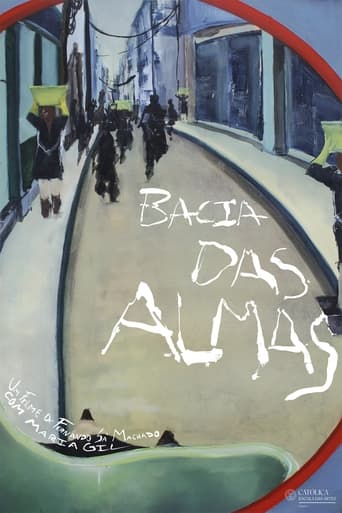
Rua de Santa Catarina, a street that was formerly home to dozens of local businesses and hundreds of Porto residents, now sees a crowd of tourists attracted by the cheap, disposable amenities that are popping up everywhere at once. Gentrification has decontextualized Portuguese culture, rendering the landscape uncanny. The Basin Woman, a symbol of the female workers of the historic Bolhão Market, is chased down by seagulls in the midst of this transcendent chaos.

Olívia, a fashion executive, and José, a photographer, gets together in Paris, having casual sex and talking a little about relationships. And, in some days, they meet again in another city. And another one. And another... Latitudes is a trip around the world, the love and the poem of living.
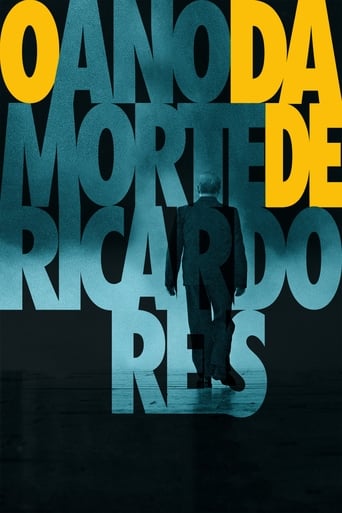
Fernando Pessoa, one of the greatest writers in Portuguese, created an immense parallel world and several heteronyms so as to endure the loneliness of genius. José Saramago, 1998 Nobel Laureate in Literature, has a heteronym, Ricardo Reis, return to Portugal after a 16-year exile in Brazil. 1936 is a perilous year with Mussolini’s fascism, Hitler’s Nazism, Spain’s Civil War and Salazar’s New State in Portugal. And Fernando Pessoa meets his creation, Reis. Two women, Lídia and Marcenda, are Reis’ carnal and impossible passions. “Life and Death as one” allows for literature and cinema.
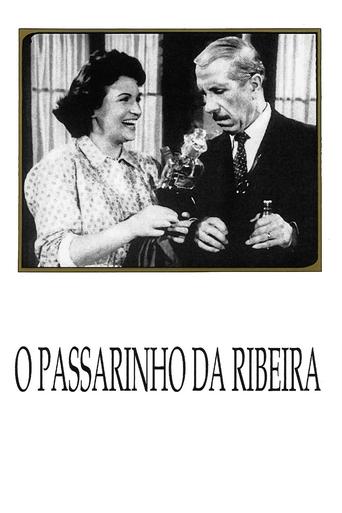
Popular in the riverside area of Porto, Micas raised her daughter, Madalena, at the cost of sacrifice, as her father emigrated to Brazil. With a happy voice, Madalena works on unloading the coal, seeing her loves thwarted by her humble condition. Barata, another typical figure who makes a living from expedients, helps Madalena's father - meanwhile returned, to "register" her - in a kidnapping plan capable of facilitating her reconciliation with Micas, who is reluctant... Things get complicated, but happiness ends up triumphing.
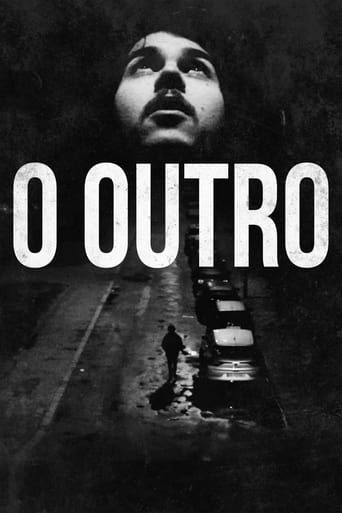
On the outskirts, residents feel marginalized from society, as if they had no identity, and this is reflected in the surrounding buildings, anonymous in their neglect. The first character is one of these residents, who, while wandering around the city, finds a wallet lying on the ground. The moral duty to return the wallet conflicts with the vision of a new future, far from the shadow of the suburbs, through the assumption of a new identity.
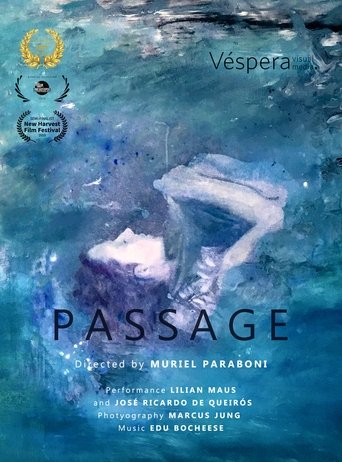
A fisherman throws himself into unknown waters, where fish have long gone, wrapped in silent mystery. In this journey without return the landscape sometimes assumes the role of the other and the other soon reveals the reverse or a mirror of him self in the ineluctable solitude of the horizon.