


History · Drama · Romance
Overview
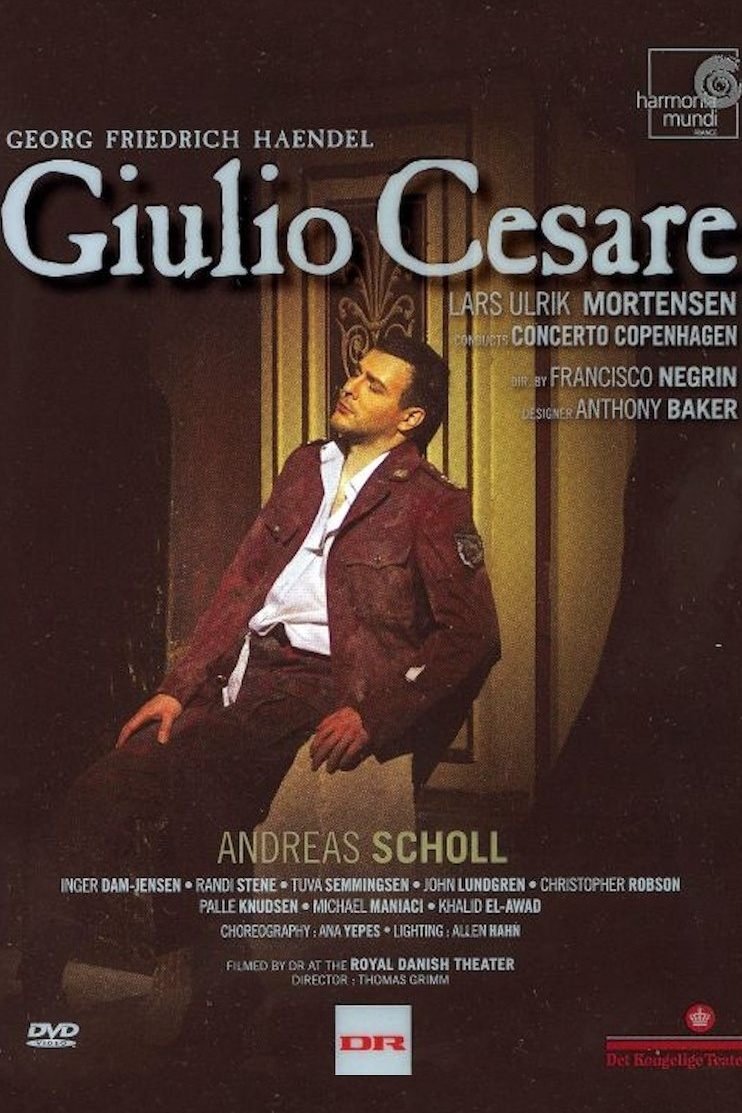
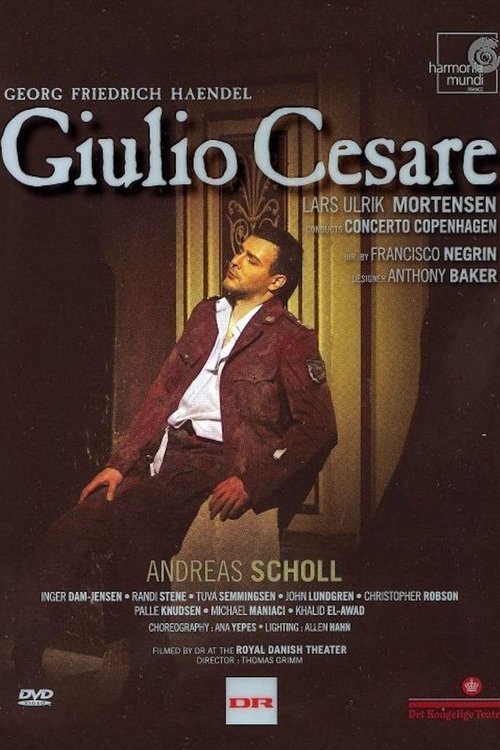
Famed countertenor Andreas Scholl sings the title role of Roman emperor Julius Caesar in this memorable production of Georg Friederich Handel's "Giulio Cesare," staged at the Royal Danish Opera. Transporting the action from ancient times to the present day, director Francisco Negrin paints a passionate portrait of Caesar's storied romance with the Egyptian queen Cleopatra (played by soprano Inger Dam-Jensen).



Inger Dam-Jensen
Inger Dam-Jensen
Cleopatra
Inger Dam-Jensen
Cleopatra
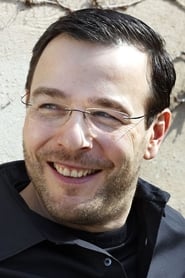
Andreas Scholl
Andreas Scholl
Giulio Cesare
Andreas Scholl
Giulio Cesare
Randi Stene
Randi Stene
Cornelia
Randi Stene
Cornelia
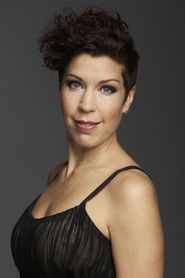
Tuva Semmingsen
Tuva Semmingsen
Sesto
Tuva Semmingsen
Sesto
Christopher Robson
Christopher Robson
Tolomeo
Christopher Robson
Tolomeo
Palle Knudsen
Palle Knudsen
Achilla
Palle Knudsen
Achilla
Michael Maniaci
Michael Maniaci
Nireno
Michael Maniaci
Nireno
John Lundgren
John Lundgren
Curio
John Lundgren
Curio
Similar Movies
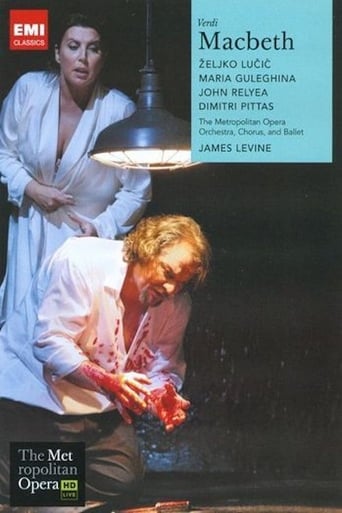
Verdi’s admiration for Shakespeare led to such masterpieces as Othello and Falstaff, and if the earlier Macbeth isn’t on their exalted level it’s still a powerfully dramatic opera that hews closely to the original’s story line. The MET’s production retains the dark aura of the opera while updating it to a vaguely post-modern context. So the witches are bag ladies in various stages of decrepitude, with children in tow. The Banquet Scene features lowered chandeliers, a plethora of chairs, and a slew of extras dressed in tuxedos and party gowns. Macbeth sports a leather coat, the soldiers are in drab brown uniforms and seem to have fingers on their triggers even when they’re supposed to be in non-threatening situations. Director Adrian Noble also has Lady Macbeth do an inordinate amount of writhing around and singing from a lying-down position, adding to the feeling that a less interventionist directorial hand might have generated more impact.
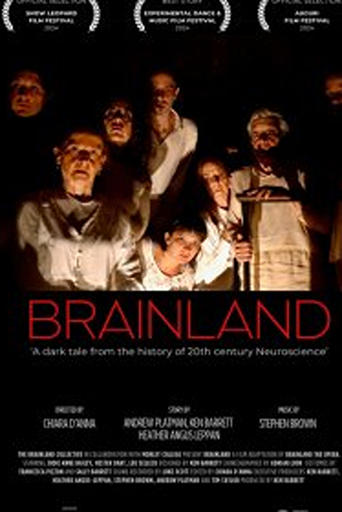
In 1935, renowned Portuguese neurologist Egas Moniz visits psychiatrist Sobral Cid, trying to convince him to use his patients as subjects for an experimental treatment: frontal leukotomy. The film is a film adaptation of a scene from the play Brainland, which explores three key episodes in the history of 20th-century neuroscience. Each episode addresses dilemmas related to clinical ethics.

Nabucco, King of Babylon, takes Jerusalem in his war with the Israelites – but his daughter Fenena loves the Israelite Ismaele. She releases their prisoners, leading her vengeful half-sister Abigaille to plot to take power. Nabucco declares himself a god and is struck by a bolt of lightning. Abigaille tricks the now feeble king into signing a death warrant for the Israelites, including Fenena and Ismaele. Nabucco prays to the God of Israel for forgiveness; his sanity is restored and he saves the prisoners from death. He converts himself and his people, while Abigaille commits suicide.
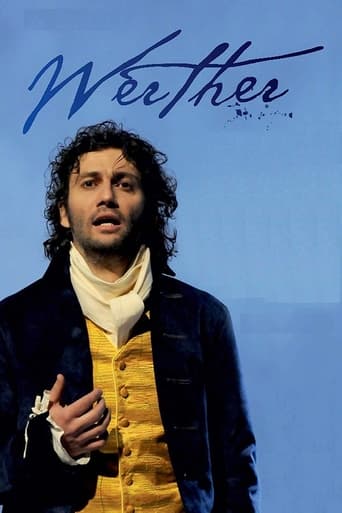
Werther loves Charlotte, but she promised her mother on her deathbed that she would marry Albert. After the marriage Charlotte suggests that Werther should travel - but not forget her. In addition to the singing and orchestral accompaniment, the entire cast acts very convincingly. And, there's no backstage mugging, entrances and spoken nonsense to spoil the experience of the drama.
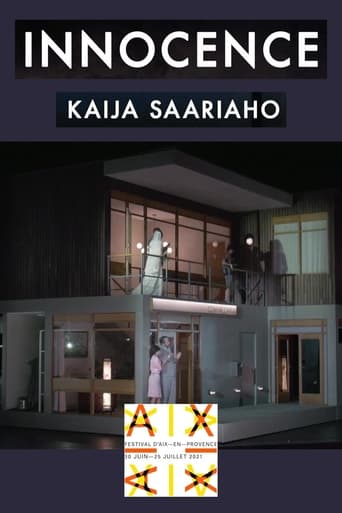
The world premiere of composer Kaija Saariaho's opera, "Innocence", at the 2021 Aix-en-Provence Festival. Finland is the setting but the protagonists come from the four corners of Europe: a Finnish groom and his Romanian bride, a French mother-in-law and a Czech maid. Around them memories unravel in a contemporary tragedy of guilt and lost innocence.
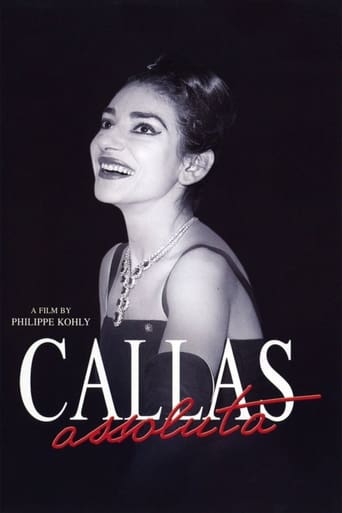
This revealing documentary from director Philippe Kohly examines the storied life of renowned soprano Maria Callas, from her troubled childhood in New York City to her scandal-laden but triumphant international career in opera. Featuring archival interviews with Callas herself and footage of contemporaries such as her lover Aristotle Onassis, this celebration of "La Divina" pays tribute to her enduring legacy some three decades after her death.
"Orango" - prologue to an unfinished opera by Dmitri Shostakovich (1906-1975), conducted by Esa-Pekka Salonen, performed by the Finnish Radio Symphony Orchestra and the Mariinsky Theatre Academy. In the 1920s, Soviet biologist Ilya Ivanovich Ivanov carried out a series of experiments to create a human/nonhuman ape hybrid. Three female chimpanzees were inseminated with human sperm. No pregnancy occurred.. In 1929 he organized a set of experiments involving nonhuman ape sperm and human volunteers, but was delayed by the death of his last orangutan.