


Documentary · Drama
Overview
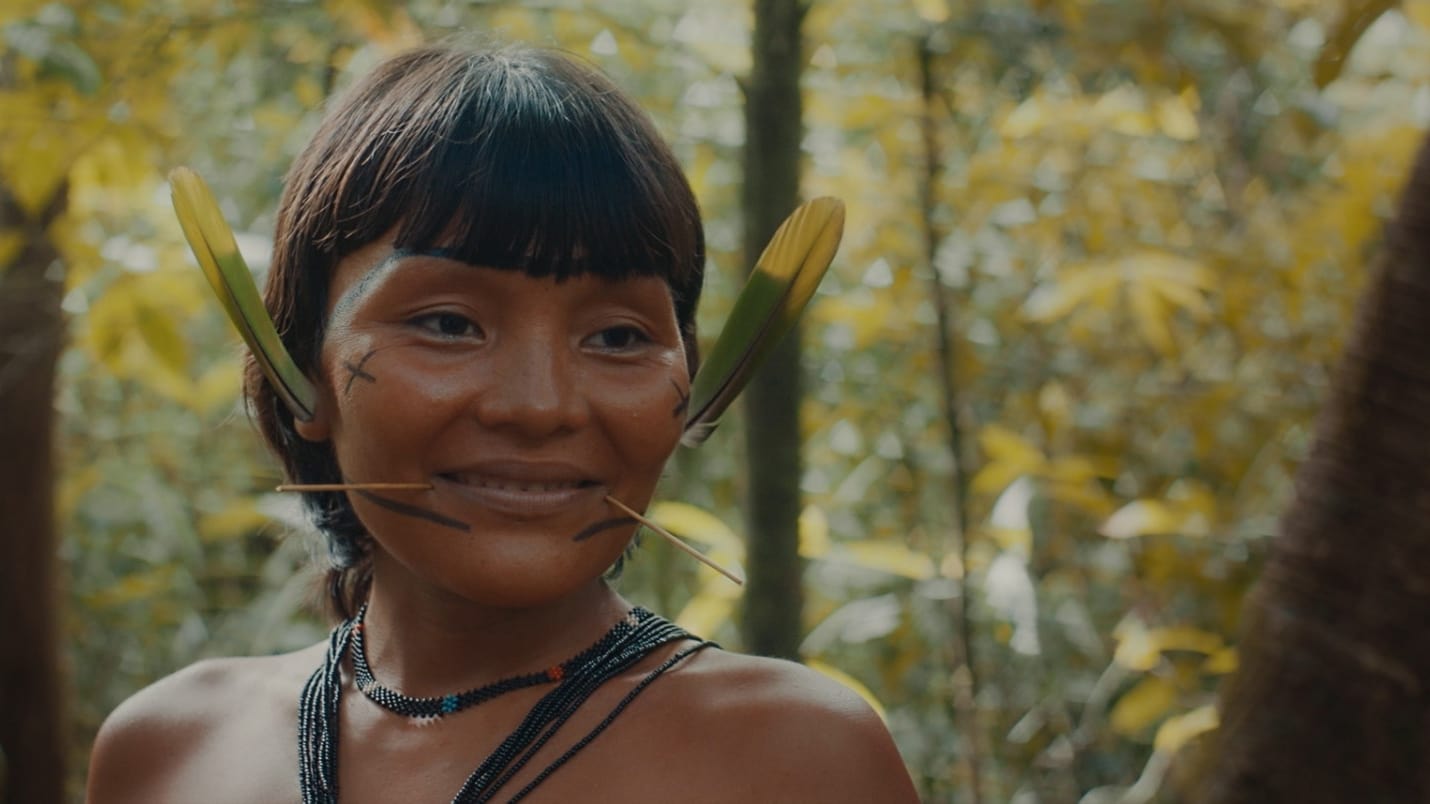
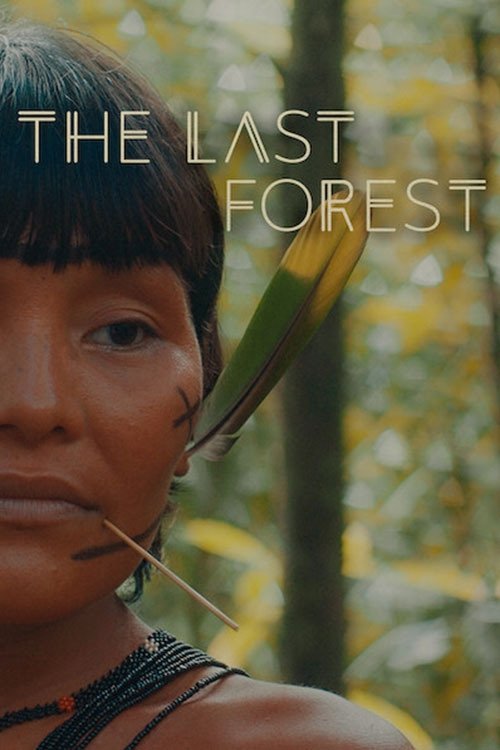
In powerful images, alternating between documentary observation and staged sequences, and dense soundscapes, Luiz Bolognesi documents the Indigenous community of the Yanomami and depicts their threatened natural environment in the Amazon rainforest.








Davi Kopenawa Yanomami
Davi Kopenawa Yanomami
Himself
Davi Kopenawa Yanomami
Himself
Ehuana Yaira Yanomami
Ehuana Yaira Yanomami
Self
Ehuana Yaira Yanomami
Self
Pedrinho Yanomami
Pedrinho Yanomami
Self
Pedrinho Yanomami
Self
Joselino Yanomami
Joselino Yanomami
Self
Joselino Yanomami
Self
Nilson Wakari Yanomami
Nilson Wakari Yanomami
Self
Nilson Wakari Yanomami
Self
Júnior Wakari Yanomami
Júnior Wakari Yanomami
Self
Júnior Wakari Yanomami
Self
Similar Movies
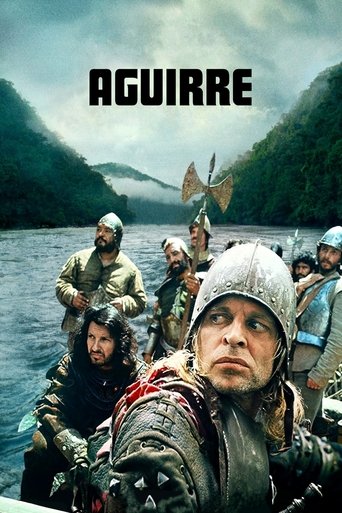
A few decades after the destruction of the Inca Empire, a Spanish expedition led by the infamous Aguirre leaves the mountains of Peru and goes down the Amazon River in search of the lost city of El Dorado. When great difficulties arise, Aguirre’s men start to wonder whether their quest will lead them to prosperity or certain death.

Natural changes have the clans moving. Iza, medicine woman of the "Clan of the Cave Bear" finds little Ayla from the "others"' clan - tradition would have the clan kill Ayla immediately, but Iza insists on keeping her. When the little one finds a most needed new cave, she's allowed to stay - and thrive.
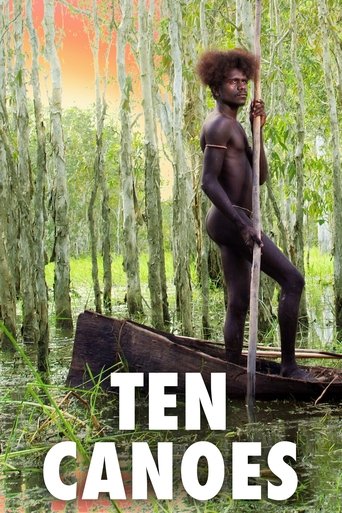
A story within a story within a story. In Australia's Northern Territory, an Aboriginal narrator tells a story about his ancestors on a goose hunt. A youngster on the hunt is being tempted to adultery with his elder brother's wife, so an elder tells him a story from the mythical past about how evil can slip in and cause havoc unless prevented by virtue according to customary tribal law.

At the height of the Vietnam war, Captain Benjamin Willard is sent on a dangerous mission that, officially, "does not exist, nor will it ever exist." His goal is to locate - and eliminate - a mysterious Green Beret Colonel named Walter Kurtz, who has been leading his personal army on illegal guerrilla missions into enemy territory.
Don Emilio is a humble, 63-year-old man who lives in the Amazon rainforest, seven miles from the city of Iquitos, Peru. For all of his adult life he has worked as a curandero and vegetalista, a traditional healer. He estimates that in his career he has treated more than 2,500 clients. Through the camera lens of anthropologist Luis Eduardo Luna, Don Emilio tells us about his practice, his beliefs, his community, and his life. He shows us how he prepares ayahuasca and other herbal medicines. Finally, we see Don Emilio treat a man who has come to him for help, and hear from a poor woman who has brought her infant son for medical care.

Stephen, an international trader, tracks down his ex-wife Patricia in some Amazonian backwater. He needs her consent to a divorce so that he can marry Charlotte. Unfortunately, he discovers a son he didn’t know he had – Mimi-Siku. The young jungle boy yearns to see Paris so Stephen reluctantly agrees to take him back home with him for a few days. How will Mimi-Siku react to life in the great metropolis?
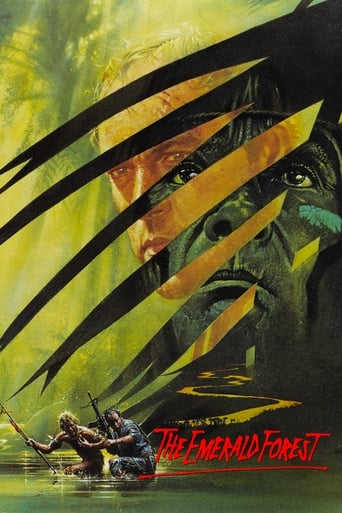
For ten years, engineer Bill Markham has searched tirelessly for his son Tommy who disappeared from the edge of the Brazilian rainforest. Miraculously, he finds the boy living among the reclusive Amazon tribe who adopted him. And that's when Bill's adventure truly begins. For his son is now a grown tribesman who moves skillfully through this beautiful-but-dangerous terrain, fearful only of those who would exploit it. And as Bill attempts to "rescue" him from the savagery of the untamed jungle, Tommy challenges Bill's idea of true civilization and his notions about who needs rescuing.
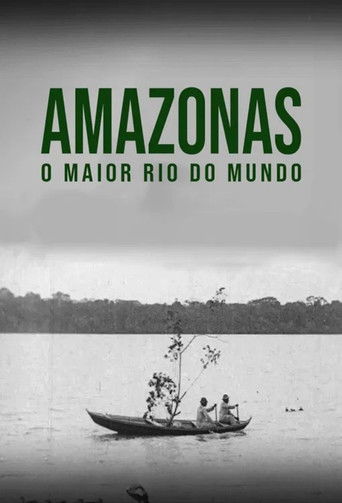
Documentary by Portuguese Silvino Santos, about the Amazon, its flora, fauna, its inhabitants and among other wonderful images from the beginning of the 20th century with alternating close-up shots of caimans, jaguars and tropical flora with footage of Indigenous rituals--including some of the earliest known moving images of the Indigenous Witoto people--and longer sequences showcasing the region’s extractive industries: rubber, the Brazil nut, timber, fishing, even the egret feathers that were a staple of women’s fashion at the time.