

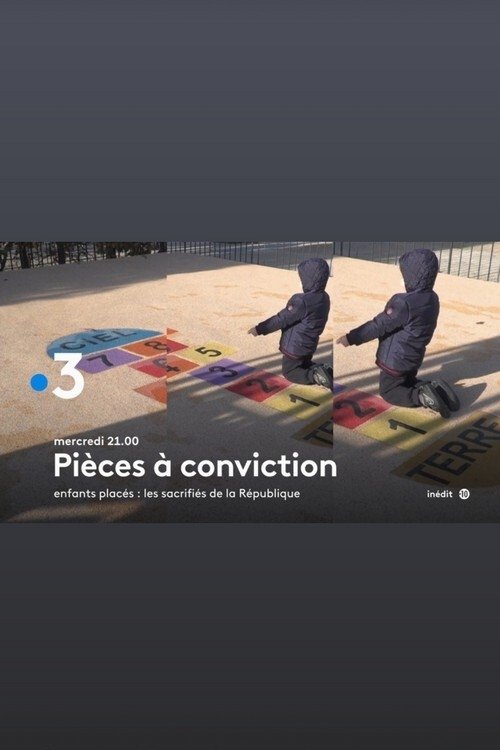
Enfants placés : les sacrifiés de la République
Documentary





No cast information.
Similar Movies
American states and parents in both Europe and the United States are engaging in a joint fight against digital giants to ensure their responsibility in the addiction of young people to screens and social media is recognized. Among them, five women have chosen to disrupt their daily lives: Alexis, Kathleen, Elisabet, Laure, and Socheata.
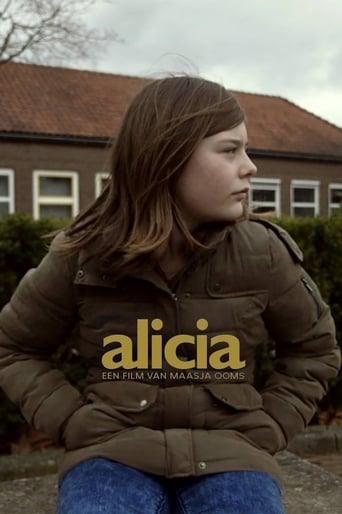
"It’s not easy to find a foster family for you," an orphanage supervisor explains to nine-year-old Alicia. "After all, you are a very special girl." Alicia is crying. "I’m not special. I’m just a girl." This disturbing scene sets the tone for this film about Alicia, who was taken away from her teenage mother by the Child Welfare Bureau when she was 12 months old. She’s been living in an orphanage since the age of five, and they have never managed to find a foster family for her. In Alicia, we watch as she becomes a teenager, still craving safety and love. Over the course of three years, filmmaker Maasja Ooms follows her daily life up close. Alicia's yearning and powerlessness are palpable in these observations, which painfully reveal the effects of having no prospects.
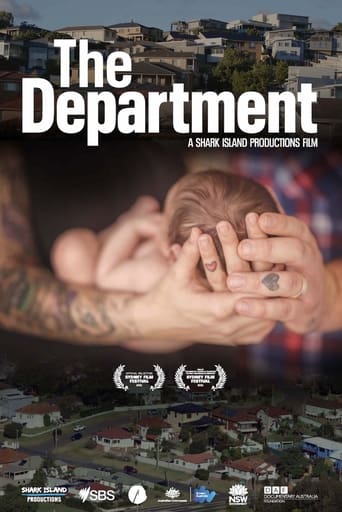
THE DEPARTMENT is a feature documentary which takes us inside the never-before-seen child protection system at work in NSW. Filmed in an observational style, it follows caseworkers across the state as they navigate the complexities of keeping children safe in families experiencing domestic violence, addiction, poverty, mental health issues and intergenerational trauma.
On Fanø, Denmark, three young families have their lives brutally turned upside down when the municipality suspects them of having abused their children. The suspicion is unfounded, but the damage is done, and the families are now dragged through a process involving child interviews, police interrogations, and more. Is the law on protecting children from abuse too far-reaching, or is it simply the price some must pay to prevent serious cases of mistreatment and neglect?
In 1942, in an occupied Paris, the apolitical grocer Edmond Batignole lives with his wife and daughter in a small apartment in the building of his grocery. When his future son-in-law and collaborator of the German Pierre-Jean Lamour calls the Nazis to arrest the Jewish Bernstein family, they move to the confiscated apartment. Some days later, the young Simon Bernstein escapes from the Germans and comes to his former home. When Batignole finds him, he feels sorry for the boy and lodges him, hiding Simon from Pierre-Jean and also from his wife. Later, two cousins of Simon meet him in the cellar of the grocery. When Pierre-Jean finds the children, Batignole decides to travel with the children to Switzerland.
In the slums of Jordan, power circulates through fear, favors, and violence. Boomah, a volatile street enforcer, survives on petty extortion and intimidation because for those at the bottom, crime is the only work that pays. Children move through the same streets she controls, selling goods, running messages, learning the rules of danger before adulthood; Boomah frightens them, exploits them, and sometimes protects them, caught between the instincts of a predator and the shadow of her own abandoned childhood. Surrounded by women struggling to shield their families, she carries a fractured relationship to motherhood, shaped by loss and survival rather than care. When a new, more organized criminal force begins to restructure the underground economy, independent lives like hers grow increasingly disposable, and Boomah is pushed to confront what it means to survive in a world where violence is labor, children inherit the streets, and motherhood is both a wound and a responsibility.
Wherever 9-year-old Benni ends up, she is expelled. She has become what child protection services call a “system crasher.” But she is not looking to change her ways, and has one goal: go back home to her mother. When anger management trainer Micha is hired to help, suddenly there is hope.