

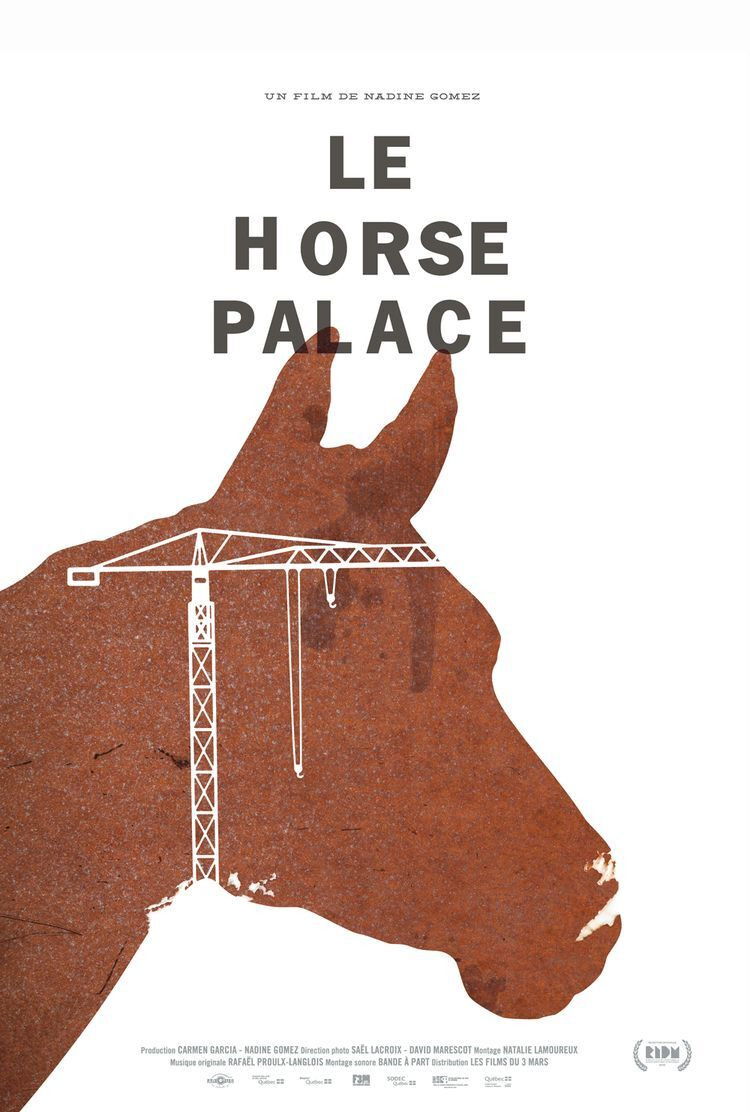
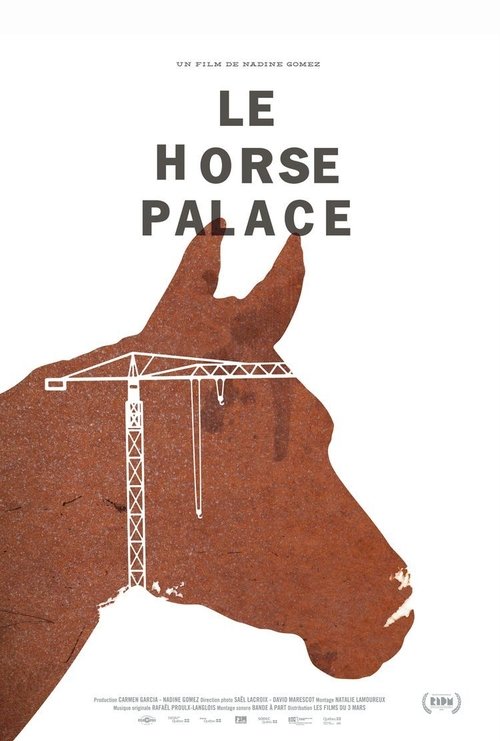
Le Horse Palace
Documentary
Overview
Once one of the most densely populated neighborhoods in the country, Griffintown (in the heart of Montreal) is now dotted with vacant lots and uninhabited areas. But just around the bend, at the end of a dirt alley, the sun still rises over the Horse Palace. Leo Leonard, its owner, stands alone, fragile, like the place that embodies his whole life. At 83, Leo, the last representative of the Irish community that founded the neighborhood, must resign himself to leaving the premises.
No cast information.
Similar Movies
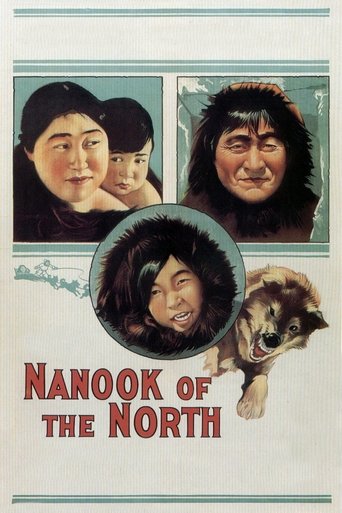
This pioneering documentary film depicts the lives of the indigenous Inuit people of Canada's northern Quebec region. Although the production contains some fictional elements, it vividly shows how its resourceful subjects survive in such a harsh climate, revealing how they construct their igloo homes and find food by hunting and fishing. The film also captures the beautiful, if unforgiving, frozen landscape of the Great White North, far removed from conventional civilization.
Does privacy still exist in 2019? In less than a generation, the internet has become a mass surveillance machine based on one simple mindset: If it's free, you're the product. Our information is captured, stored and made accessible to corporations and governments across the world. To the hacker community, Big Brother is real and only a technological battle can defeat him.
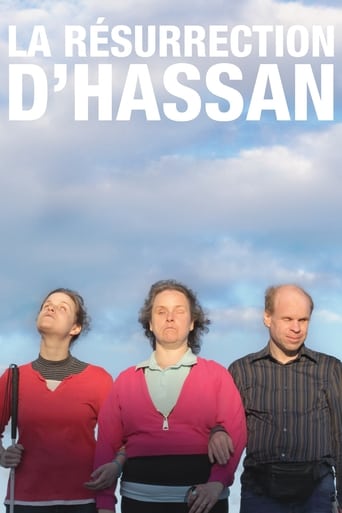
Traces the lives of the Hartings, a blind Montreal family of three who make their living singing in the city's subway stations. The Hartings lost their only sighted child Hassan in a tragic drowning accident, and have since turned to the teachings of Russian mystic Grigori Grabovoi, hoping to resurrect their son. Resurrecting Hassan is an exploration of this family's legacy of grief, tragedy and abuse; the film will follow them on their path to redemption.
Gilles Groulx's first film shot in 1955 with a camera borrowed from his brother and edited during his spare time when he worked as an editor at the Radio-Canada news service a few years before he joined the NFB. Silent film, presented as its author left it, where the soil and the dialectic of Groulx's work are already there: documentary realism, the social space to be explored, daily life, the relationship between individual and society, social disparities, the consumer society, seduction and happiness.
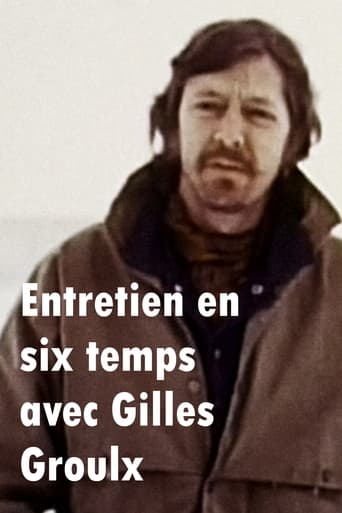
This feature-length documentary brings together six of the rare television interviews given by Gilles Groulx between 1966 and 1983. Through these interviews, the filmmaker's ethical and aesthetic concerns are revealed. A striking coherence emerges in his thinking regarding his conception of cinema and the role the filmmaker should play in his culture and society.