


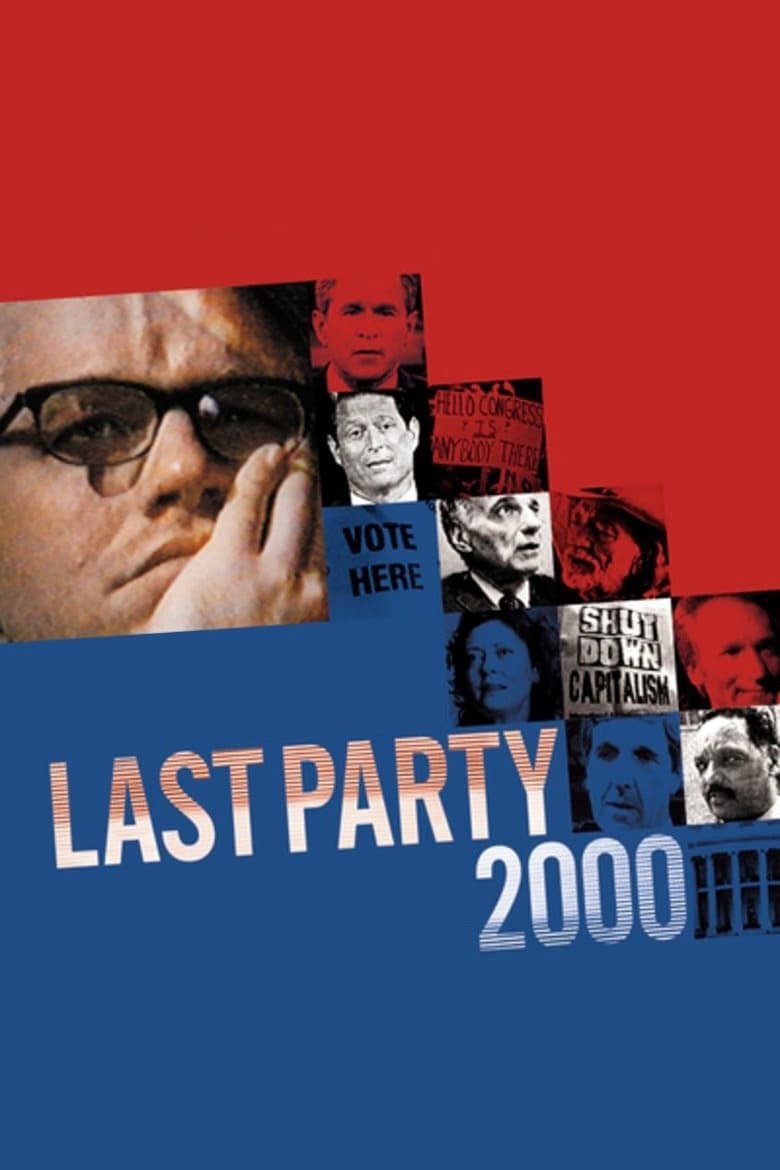
Last Party 2000
Documentary
Overview
Filmed over the last six months of the 2000 Presidential election, Phillip Seymour Hoffman starts documenting the campaign at the Republican and Democratic National Conventions, but spends more time outside, in the street protests and police actions than in the orchestrated conventions. Hoffman shows an obvious distaste for money politics and the conservative right. He looks seedier and more disillusioned the campaign progresses. Eventually Hoffman seems most energized by the Ralph Nader campaign as an alternative to the nearly indistinguishable major parties. The high point of the film are the comments by Barney Frank who says that marches and demonstrations are largely a waste of time, and that the really effective political players such as the NRA and the AARP never bother with walk ins, sit-ins, shoot-ins or shuffles. In the interview with Jesse Jackson, Hoffman is too flustered to ask all of his questions.




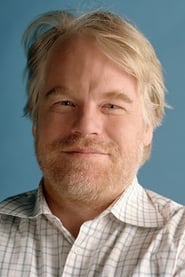
Philip Seymour Hoffman
Philip Seymour Hoffman
Self
Philip Seymour Hoffman
Self

Tim Robbins
Tim Robbins
Self
Tim Robbins
Self

Susan Sarandon
Susan Sarandon
Self
Susan Sarandon
Self

Michael Moore
Michael Moore
Self
Michael Moore
Self

Rosie O'Donnell
Rosie O'Donnell
Self
Rosie O'Donnell
Self
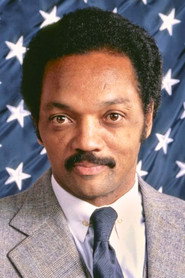
Jesse Jackson
Jesse Jackson
Self
Jesse Jackson
Self

Courtney Love
Courtney Love
Self
Courtney Love
Self
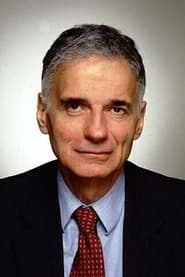
Ralph Nader
Ralph Nader
Self
Ralph Nader
Self
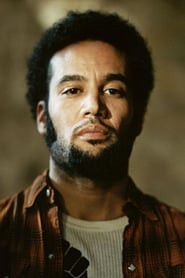
Ben Harper
Ben Harper
Self
Ben Harper
Self
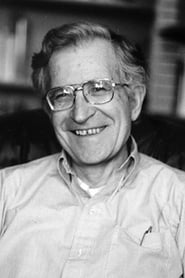
Noam Chomsky
Noam Chomsky
Self
Noam Chomsky
Self
Similar Movies
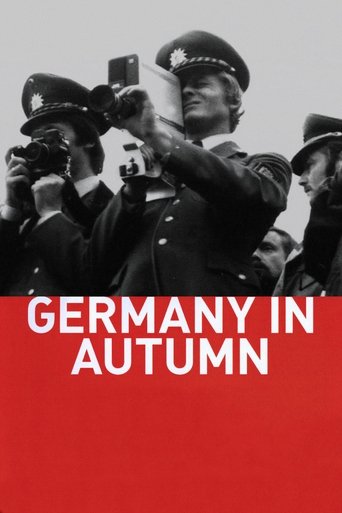
Nine fictitious documentaries and films reflect the mood of late 1970s Germany, particularly the two-month period in 1977 when a businessman was kidnapped by the RAF (Red Army Faction). The kidnap had been made to orchestrate the release of the original leaders of the RAF, aka the Baader-Meinhof.

Rafael - the minister of sports of an unrecognized country, and Natasha - a Russian opera singer, try living together in Abkhazia - a war-torn future-less country. Observing their difficult relations, we see life in a place marked by war and nationalism. The film portrays trapped people dreaming of peace, normality and happiness.
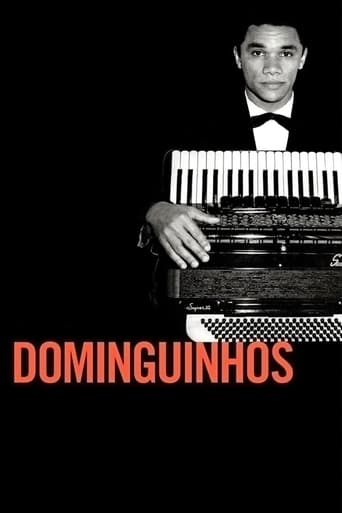
Through rare and precious footages and gigs with great artists such as Gilberto Gil, Gal Costa, Hermeto Pascoal, Djavan, Nara Leao, Luiz Gonzaga, among many others, "Dominguinhos" reveals this genius of Brazilian music, creator of a deeply authentic, universal and contemporary work. The film values the sensory cinematic experience, a journey driven by Dominguinhos his own.
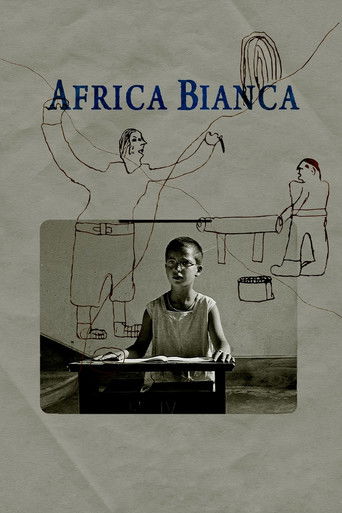
The armies of Fascist Italy conquered Addis Ababa, capital of Abyssinia, in May 1936, thus culminating the African colonial adventure of the ruthless dictator Benito Mussolini, by then lord of Libya, Eritrea and Somalia; a bloody and tragic story told through the naive drawings of Pietro Dall'Igna, an Italian schoolboy born in 1925.
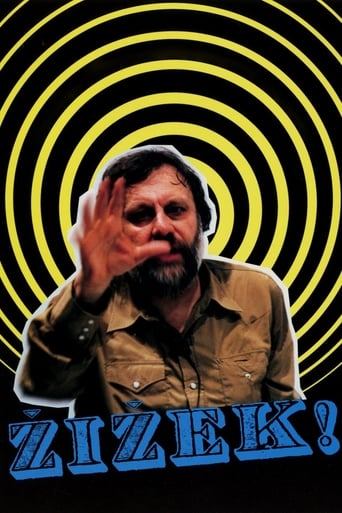
ŽIŽEK! trails the thinker as he crisscrosses the globe, racing from New York City lecture halls, through the streets of Buenos Aires, and even stopping at home in Ljubljana, Slovenia. All the while Žižek obsessively reveals the invisible workings of ideology through his unique blend of Lacanian psychoanalysis, Marxism, and critique of pop culture.
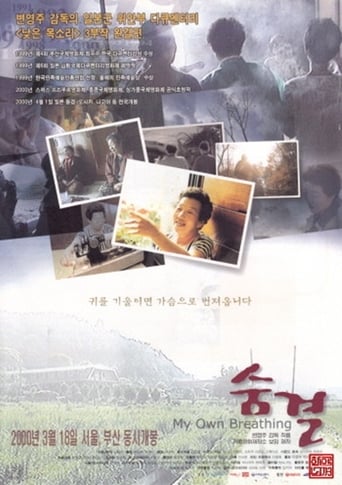
"My Own Breathing" is the final documentary of the trilogy, The Murmuring about comfort women during the World War II directed by BYUN Young-joo. This is the completion of her seven years work. BYUN's first and second documentaries spoke of grandmothers' everyday life through the origin of their torment, while My Own Breathing goes back to their past from their everyday life. Deleting any device of narration or music, the camera lets grandmothers talk about themselves. Finally, the film revives their deep voices trampled by harsh history.