

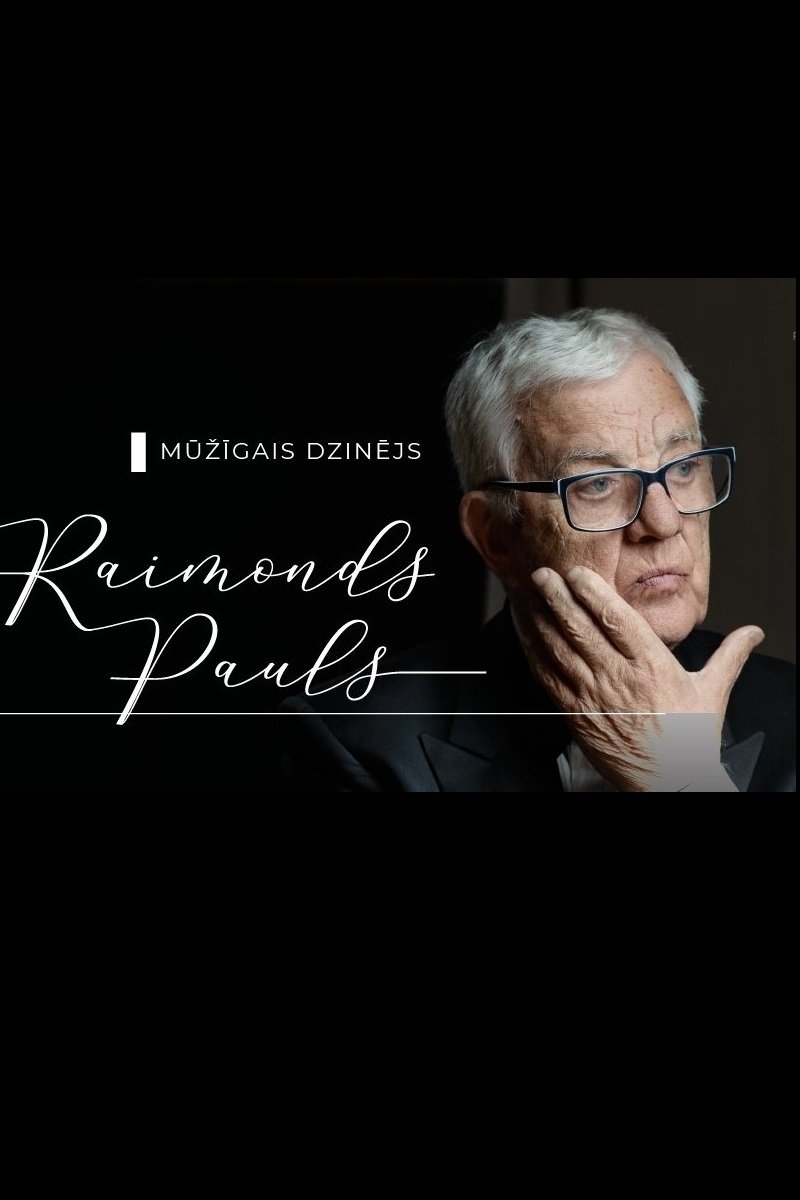
Perpetuum mobile. Raimonds Pauls
Documentary · TV Movie
Overview
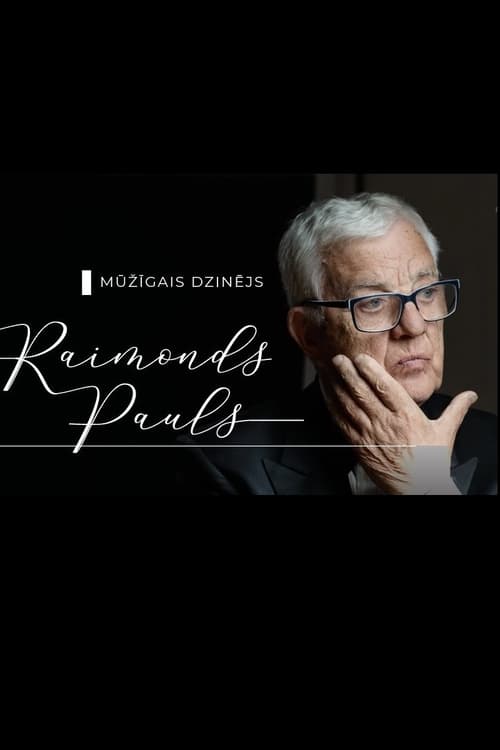
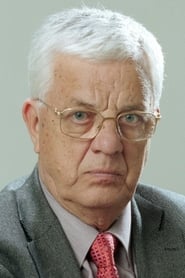
Raimonds Pauls is almost 85 years old, rehearses almost every day and performs at least once a week. What drives him? Not only he is the most popular composer in Latvia: his songs are sung all over the world. "Dāvāja Māriņa" is so popular in Japan that Paul received the Japanese Order of the Rising Sun. In concerts, he collaborates with world stars of Latvian origin - soprano Elīna Garanča, organist Iveta Apkalna, conductor Mariss Jansons. The Latvian Television film crew follows him during the pandemic, realizing that the restrictions and threats of Covid-19 hardly stop the Maestro in the course of his eternal engine. How does he cope with the challenges that time imposes on a person's physical form and the loneliness when most friends have passed away? What is the source of his inexhaustible lifestyle and creative spirit?


Raimonds Pauls
Raimonds Pauls
Self
Raimonds Pauls
Self
Lana Paula
Lana Paula
Self
Lana Paula
Self
Edite Pauls-Vignere
Edite Pauls-Vignere
Self
Edite Pauls-Vignere
Self
Anna Marija Paula
Anna Marija Paula
Self
Anna Marija Paula
Self
Toivo Unt
Toivo Unt
Self
Toivo Unt
Self
Iveta Apkalna
Iveta Apkalna
Self
Iveta Apkalna
Self
Ojārs Rubenis
Ojārs Rubenis
Self
Ojārs Rubenis
Self
Juris Vaivods
Juris Vaivods
Self
Juris Vaivods
Self
Anda Zadovska
Anda Zadovska
Self
Anda Zadovska
Self
Andris Keišs
Andris Keišs
Self
Andris Keišs
Self
Similar Movies
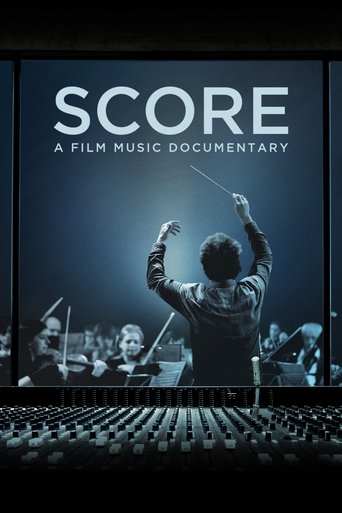
Music is an integral part of most films, adding emotion and nuance while often remaining invisible to audiences. Matt Schrader shines a spotlight on the overlooked craft of film composing, gathering many of the art form’s most influential practitioners, from Hans Zimmer and Danny Elfman to Quincy Jones and Randy Newman, to uncover their creative process. Tracing key developments in the evolution of music in film, and exploring some of cinema’s most iconic soundtracks, 'Score' is an aural valentine for film lovers.
The film is about the life and work of Grigory Ordzhonikidze Konstantinoviche, an important personality in both the Communist Party and the Soviet state. The film includes speeches by his bereaved friends who attended his funeral. In 1937, after the unexpected death of Sergo Ordzhonikidze, Vertov received an urgent order from the government to produce a film about the life of Ordzhonikidze. He was ordered to work together with Yakov Bliohom and the director of the film "Battleship Potemkin" distributed by Goskino (Soviet State Committee for Cinematography).
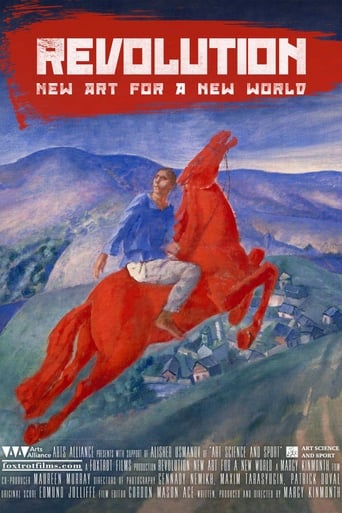
Drawing on the collections of major Russian institutions, contributions from contemporary artists, curators and performers and personal testimony from the descendants of those involved, the film brings the artists of the Russian Avant-Garde to life. It tells the stories of artists like Chagall, Kandinsky and Malevich - pioneers who flourished in response to the challenge of building a new art for a new world, only to be broken by implacable authority after 15 short years and silenced by Stalin's Socialist Realism.
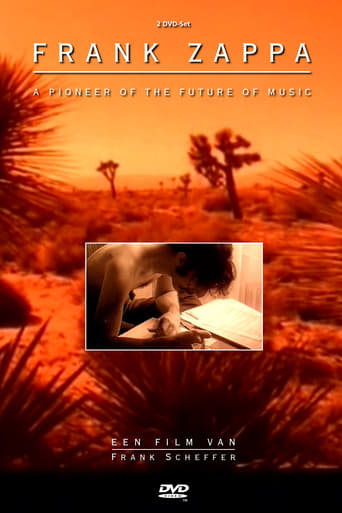
Frank Scheffer's (collage like) documentary on the American composer and rock guitarist Frank Zappa, as broadcast by VPRO in the Netherlands April 22,2007. Most of what’s on here is seen before, particularly in Roelof Kier’s 1971 documentary and/or Scheffer’s own documentary “A present day composer refuses to die”. But there is some new stuff too, particularly interviews with Denny Walley, Haskell Wekler, Elliot Ingber and Bruce Fowler.
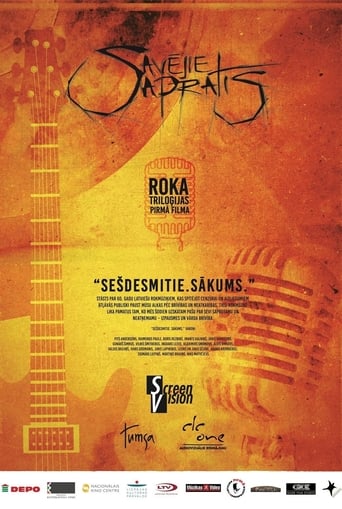
Choosing the fate of a rock musician was similar to being a dissident. From the 60s, the Soviet Union tried to discourage and restrict the expansion of rock music by any means. They called it the “rotten fruit of degraded capitalism, demoralizing the minds of Soviet youth”. Despite that, rock music broke the wall – made a hole in the Iron Curtain – and gained the hearts and minds of tens of thousands of young people.Rock musicians were on the frontline of the rebellion against the Soviet regime. Despite censorship, they managed to deliver, in a hidden, roundabout way through lyrics and music, the spirit of nonconformity and freedom of choice to their audience. A film about Latvian and Soviet rock pioneers, their lives and destinies.
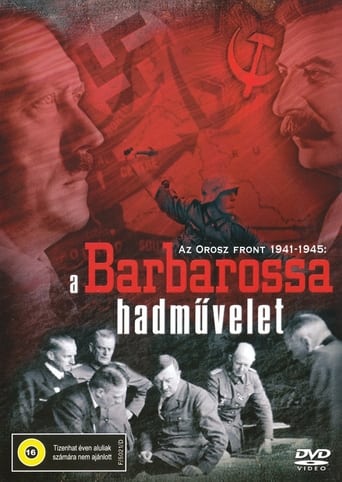
Hitler's invasion of Russia was one of the landmark events of World War II. This documentary reveals the lead-up to the offensive, its impact on the war and the brinksmanship that resulted from the battle for Moscow. Rare footage from both German and Russian archives and detailed maps illustrate the conflict, while award-winning historian and author John Erickson provides insight into the pivotal maneuvers on the eastern front.
Filmmakers Laura Mulvey and Mark Lewis use rare archival footage and interviews with artists, art historians, and museum directors to examine the fate of Soviet-era monuments during successive political regimes, from the Russian Revolution through the collapse of communism. Mulvey and Lewis highlight both the social relevance of these relics and the cyclical nature of history. Broadcast on Channel Four as part of the 'Global Image' series (1992-1994).
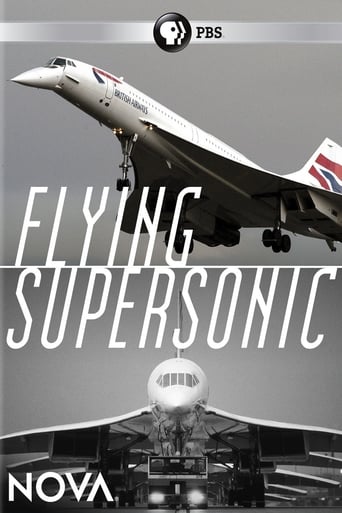
Thundering across the sky on elegant white wings, the Concorde was an instant legend. But behind the glamour of jet setting at Mach 2 were stunning scientific innovations and political intrigue. Fifteen years after Concorde's final flight, this documentary takes you inside the historic international race to develop the first supersonic airliner. Hear stories from those inside the choreographed effort to design and build Concorde in two countries at once - and the crew members who flew her.