

Loose Corner
Overview
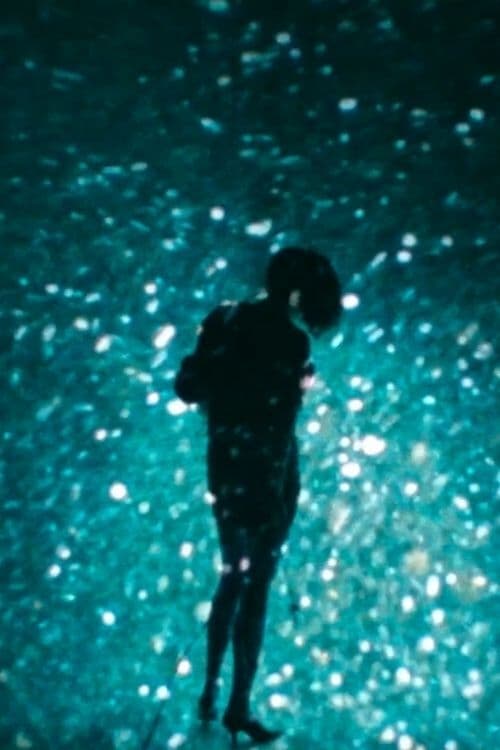
Mysterious cinematographic events unfold in a very neat little space, like a theatre. A ball gets bigger and bigger and then suddenly disappears: there’s a dog a good head or two taller than a child; a young woman miniscule one second is huge the next… We don’t get it, but just enjoy taking part in a phantasmagorical experience like an audience in the early days of cinema, with filmmakers that have made an illusion out of this art.

Catherine Lloyd Burns
Catherine Lloyd Burns
Catherine Lloyd Burns

Owen Roth
Owen Roth
Owen Roth
Jeffree Clapp
Jeffree Clapp
Jeffree Clapp
Similar Movies
The film is a stage play hybrid showcasing dark and absurd sketches based on contemporary Hungarian news of the 2000's with campy, senseless musical interludes in-between. Highly experimental in nature that - like Marmite - will split its' crowd into ones that'll love it and others that'll loathe it. There's no middle grounds here. The topics included are: The Hungarian Olympians' doping scandal, political terrorism, the national elections... and more.
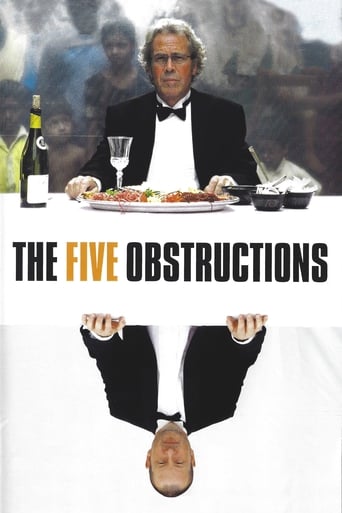
In 1967, experimental filmmaker Jorgen Leth created a striking short film, The Perfect Human, starring a man and women sitting in a box while a narrator poses questions about their relationship and humanity. Years later, Danish director Lars von Trier made a deal with Leth to remake his film five times, each under a different set of circumstances and with von Trier's strictly prescribed rules. As Leth completes each challenge, von Trier creates increasingly further elaborate stipulations.
A moving recording of the late writer and renowned jazz singer Abbey Lincoln is captured in this new film from Brooklyn-born director Rodney Passé, who has previously worked with powerhouse music video director Khalil Joseph. Reading from her own works, Lincoln’s voice sets the tone for a film that explores the African American experience through fathers and their sons.
As Black and LGBTQ+ History Month begin this February, material science clothing brand PANGAIA leads celebrations with a poetic film that honors these two communities. Following a year of isolation, and with it a deeper understanding of the importance of outdoor spaces and the environment, Wè is a portrait of the self-love and acceptance we have learned to show others and gift to ourselves.
Magnetic Scramble is the first video work by Toshio Matsumoto. Here, the artist manipulates television images (of student demonstrations against the U.S.-Japan Security Pact) by holding a magnetic coil next to the monitor. Matsumoto later incorporated this piece into a scene of his film Funeral Parade of Roses (1969).
How many movies have you seen where at the end the main character wakes up, causing he and the audience to simultaneously realize that everything they witnessed beforehand was "just a dream?" This film takes that principal but instead of deceiving, the story invites you to watch the main characters dream away. As a result, "True Dreams" takes the dream sequence to a whole new level: it lets its audience in on the joke, while they watch the two main characters run around unaware of the reality/fantasy of their surroundings. This film can be viewed via Vimeo at https://vimeo.com/132642294 (password: truedreams)
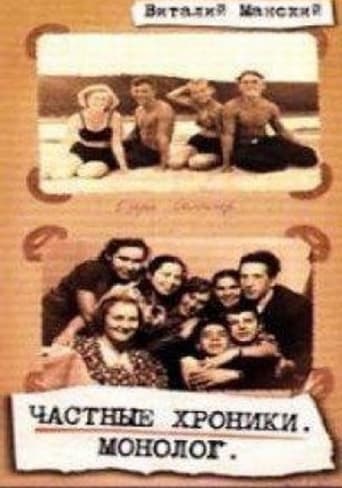
The collective life of the generation born as Jurij Gagarin became the first man in space. Vitaly Mansky has woven together a fictional biography – taken from over 5.000 hours of film material, and 20.000 still pictures made for home use. A moving document of the fictional, but nonetheless true life of the generation who grew up in this time of huge change and upheaval.
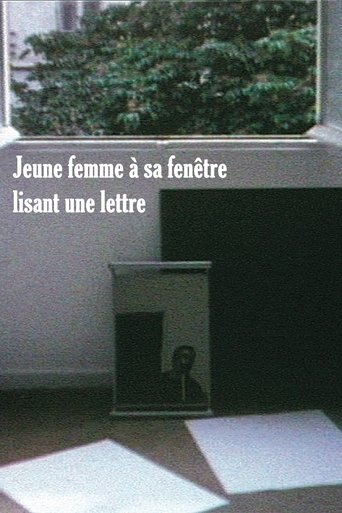
Jean-Claude Rousseau's Jeune femme à sa fenêtre lisant une lettre is not only his first medium-length film, but a chance to discover this filmmaker whom Jean-Marie Straub has called, along with Frans Van de Staak and Peter Nestler, the greatest working in Europe. With this newly restored print there is also a possibility to discover the relationship between Rousseau's art of filming and Jan Vermeer's famous painting. As Prosper Hillairet wrote in 1988, four years after Rousseau had finished Jeune femme ... (for the first time as we know today): «Without adopting the usual systematic spirit and form of cinéma structurel, Rousseau presents us with simple images and leaves it at that. Keeps the image in hand. A minimalist and ascetic expression of cinema: a shot that lasts.»