

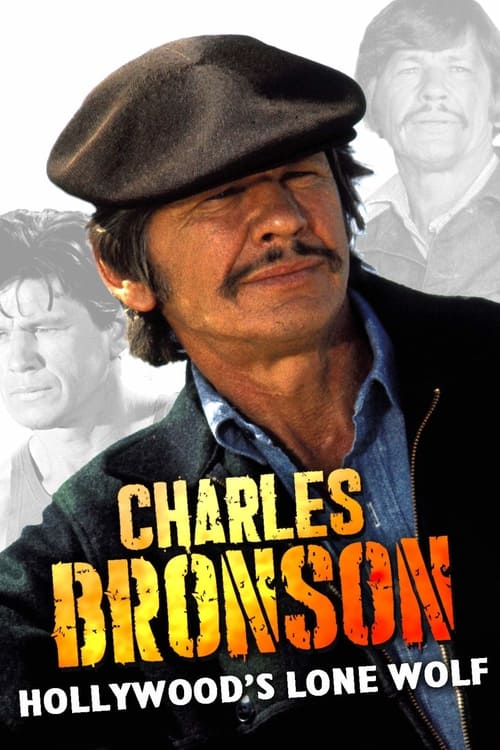
Charles Bronson: The Spirit of Masculinity
Documentary · History
Overview
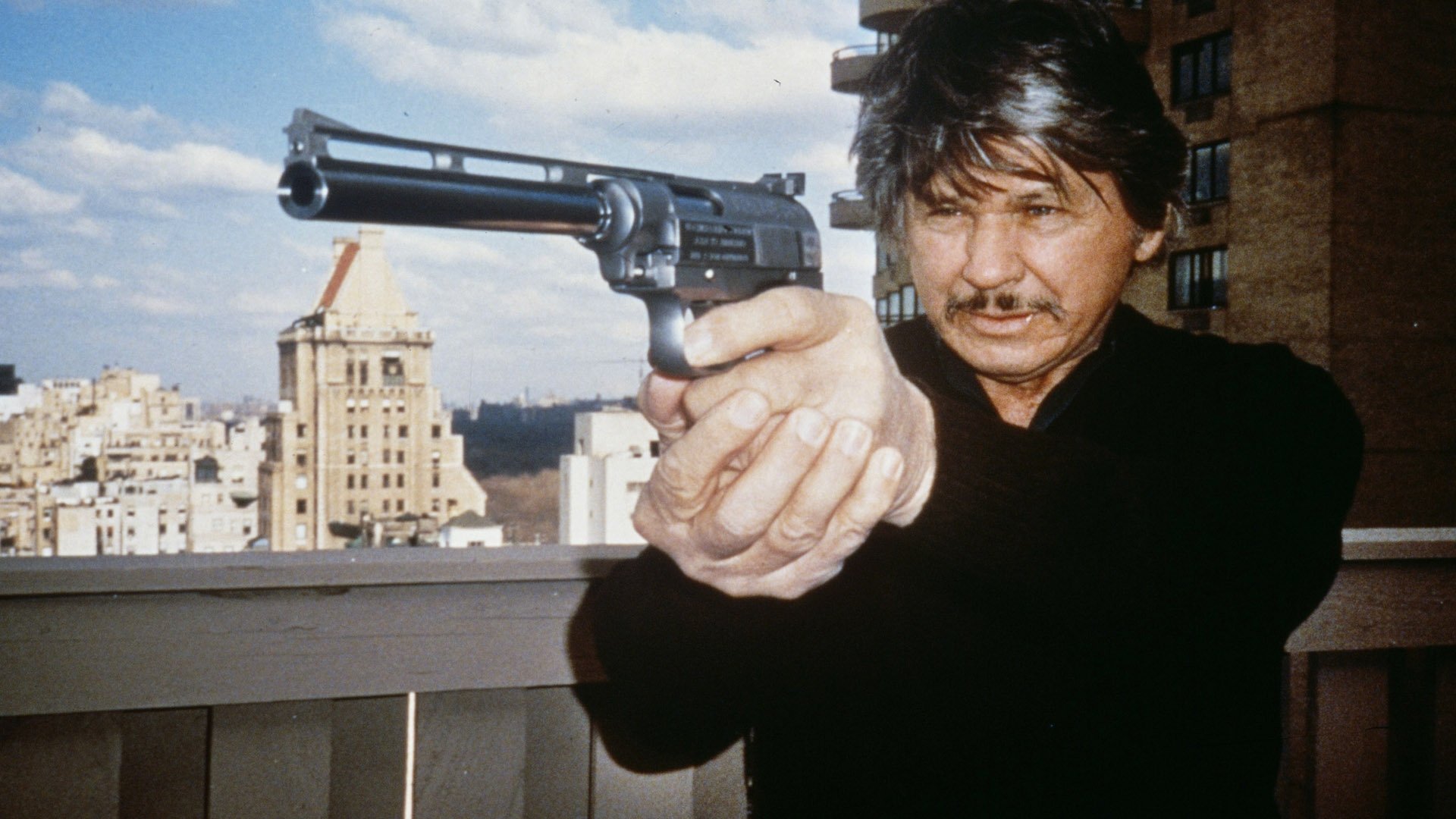
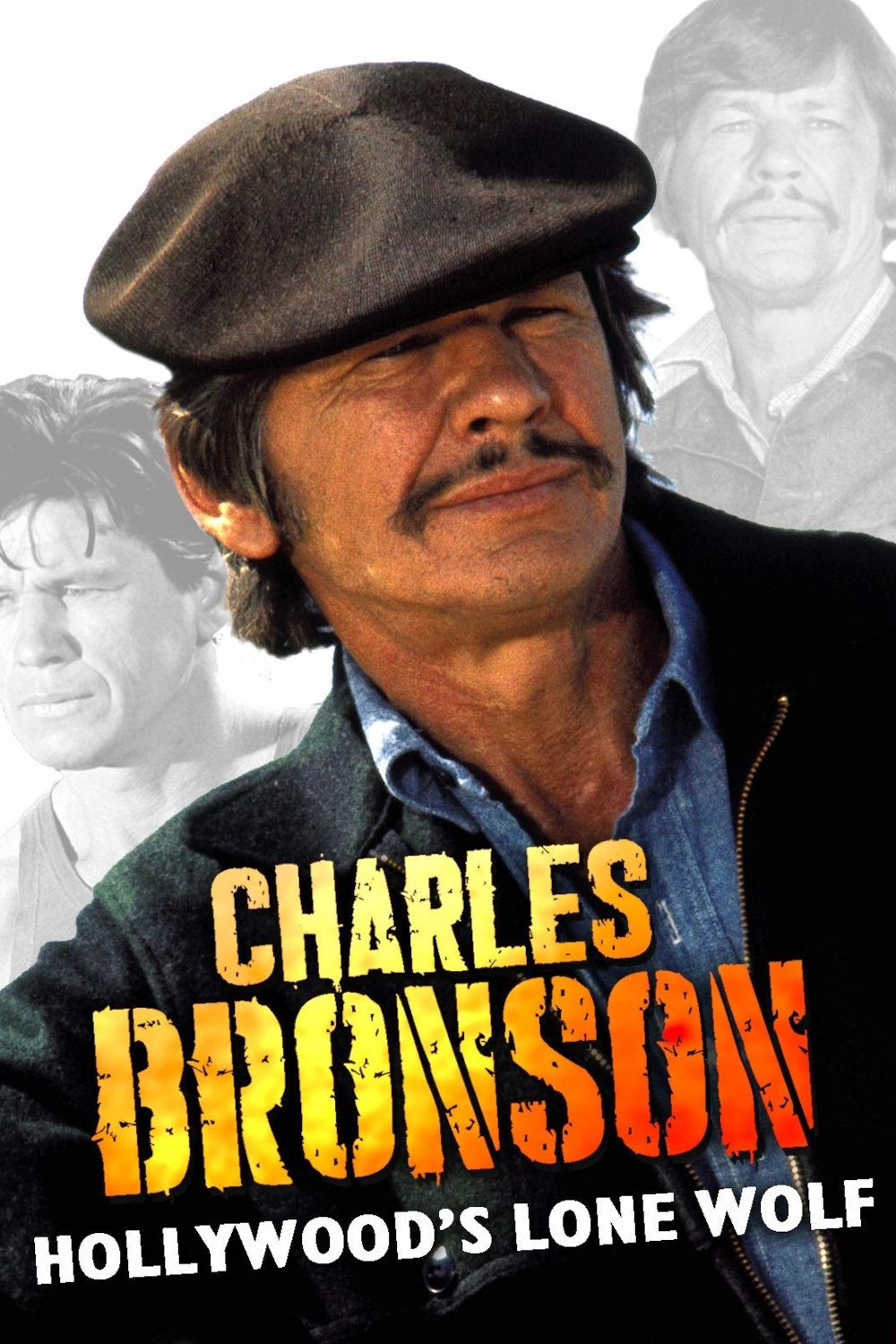
With his grizzled moustache and chiselled features, Charles Bronson is the embodiment of a slightly archaic, brooding and almost reactionary virility. But who is he really? Often hired to play marginalised Native American or Mexican characters before he was typecast as the image of a lone killer, Bronson was a major figure in the popular cinema of the 1960s and 70s and his stony-faced, physical acting and career are worthy of a second look.





Michel Zlotowski
Michel Zlotowski
Self - Narrator (voice)
Michel Zlotowski
Self - Narrator (voice)
Charles Bronson
Charles Bronson
Self (archive footage)
Charles Bronson
Self (archive footage)
Similar Movies
Churchill, a name typically associated with braveness and altruism. Recently found evidence from Soviet and British sources however brings up questions about Churchill's doings in the conferences of Tehran, Yalta and Potsdam. Why did he agree to give Stalin large parts of Poland? The story of two world leaders in times of war - it is also the story of Poland.
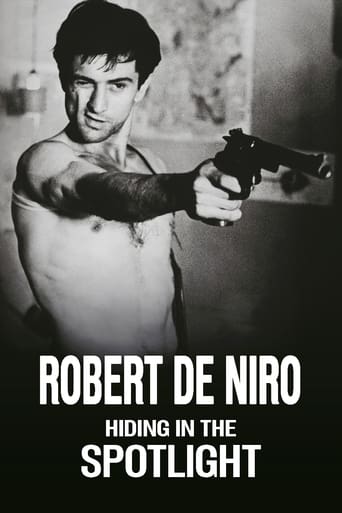
Robert De Niro is famous for his award-winning portrayals of gangsters, criminals and socially disturbed men who show surprising traces of vulnerability. By analyzing his astonishing roles in iconic films through the years, the documentary reveal the complex actor behind these extreme characters. Because the public knows little about the man who is largely silent about his own life and emotions, this film tries to unwraps one of the most fascinating and enigmatic American actors of all time for the audience. For this the filmakers use clips from his feature films, archive footage of his sparse interviews and probe into his background to illustrate De Niro’s methods for becoming the characters he plays and the reasons he’s able to do so. All of this culminates in a rare exposé of the genesis of the hidden pain that enables the masterful actor to bring such intensity to the big screen.
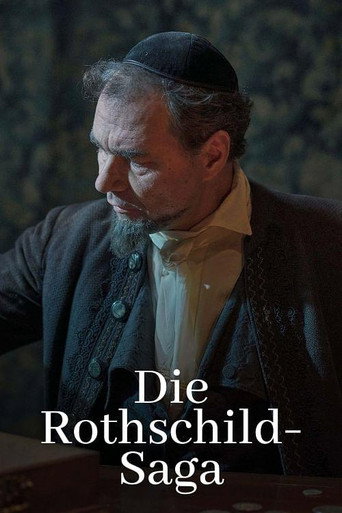
This rich and nuanced portrait of the remarkable, elusive Rothschild family uncovers the story behind the family's phenomenal economic success. The film tells the dynasty’s incredible saga, from the confines of the Frankfurt ghetto to the halls of royal palaces, all the while emphasizing the importance they placed on family unity and the profound role Judaism played in their lives, later using their influence to assist oppressed Jews throughout Europe. A definitive work of documentary cinema with a thoroughly engaging narrative, The Rothschild Saga brings their mysterious and fascinating history to life.
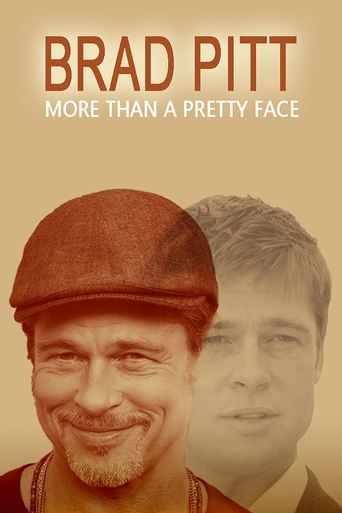
Brad Pitt is a singular actor in Hollywood's glamorous world, breaking through his "playboy image" and embodying American cinema's renewal. At the beginning there was a humble Midwestern aware of being a smokescreen for the illusions of his time, who has managed to keep control of his image to better serve the most talented directors of our time. To name but a few: David Fincher, Quentin Tarantino, the Coen brothers, Terrence Malick, James Gray and soon Damien Chazelle. This documentary dives into the brain of a complex, brilliant and endearing personality, far from the cliché of a world-famous movie icon to discover the hidden side of the most handsome man in the world.
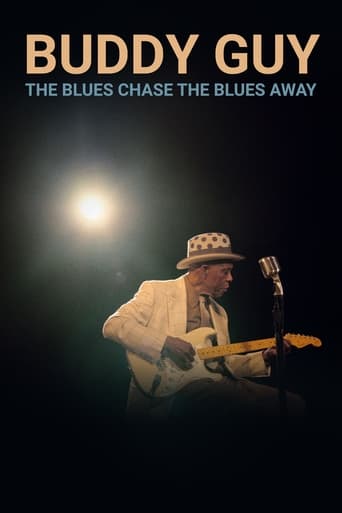
Chicago blues great Buddy Guy never was the same after he heard John Lee Hooker’s seminal “Boogie Chillun’” while growing up in his rural stomping grounds of Lettswork, Louisiana. In 1957 he set out for the Windy City and its vibrant blues scene, where he played his way into the clubs, cut records, befriended and gigged with other greats (Muddy Waters, Howlin’ Wolf, Otis Rush), forged his skillful, intense, wild persona, hit the road, influenced new generations of musicians (Mick, Keith, Eric, Stevie Ray Vaughan), performed at the Obama White House and collected nine Grammys along the way. Supported by a sumptuous assemblage of performance footage, testimonials from those he’s inspired (including Clapton, Carlos Santana, Gary Clark Jr., and John Mayer) and some classic blues licks, Buddy Guy: The Blues Chase the Blues Away finds Guy (now a young 84) looking back at his life, providing valuable insight into his music while leaving room for some memorable anecdotes.
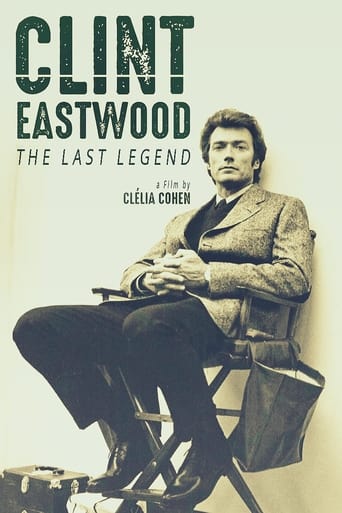
The portrait of the last cowboy Hollywood legend dives into the 65 years of an extraordinary career in Hollywood, highlighted iconic films like The Good, the Bad and the Ugly, as well as Million Dollar Baby, Mystic River and Gran Torino all the way to Cry Macho in 2021. It is no small task to cover more than 60 years of cinema history, especially when it is trying to surveyed with such breadth and diversity: TV star, international star, controversial icon, contested director, filmmaker with a capital F, Eastwood has been through it all, experienced it all, and it is first of all this romantic trajectory, this true American pastoral that the documentary wants to tell with all the passion it possibly can.
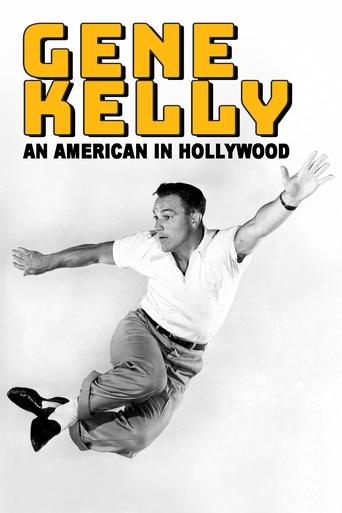
Gene Kelly is a legend of the heyday of the Hollywood musical. His name stands for masterpieces such as "Singin' in the Rain" and "An American in Paris". As a singer, dancer, actor, choreographer and director, he was a true all-round artist who revolutionized the world of dance in particular. Kelly, who loved to experiment, explored new forms of dance expression and helped a whole generation of young talents to fame. From his beginnings in cabarets and on Broadway to his recognition as a choreographer and director, the documentary shows how the good-looking star with a charming smile expanded the boundaries of dance expression: He danced in the open air in the streets of New York, with a cartoon character or his own reflection. But this dazzling entertainer image should not obscure the fact that Kelly, as a staunch supporter of the American civil rights movement, also saw dancing as a political statement.
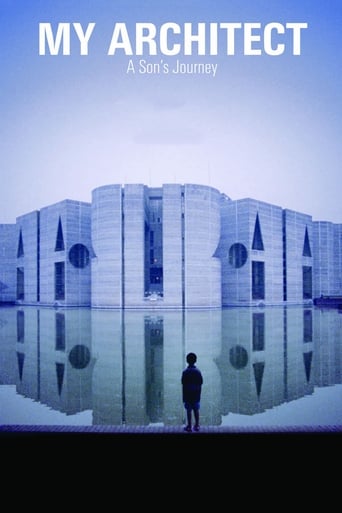
World-famous architect Louis Kahn (Exeter Library, Salk Institute, Bangladeshi Capitol Building) had two illegitimate children with two different women outside of his marriage. Son Nathaniel always hoped that someday his father would come and live with him and his mother, but Kahn never left his wife. Instead, Kahn was found dead in a men's room in Penn Station when Nathaniel was only 11.