

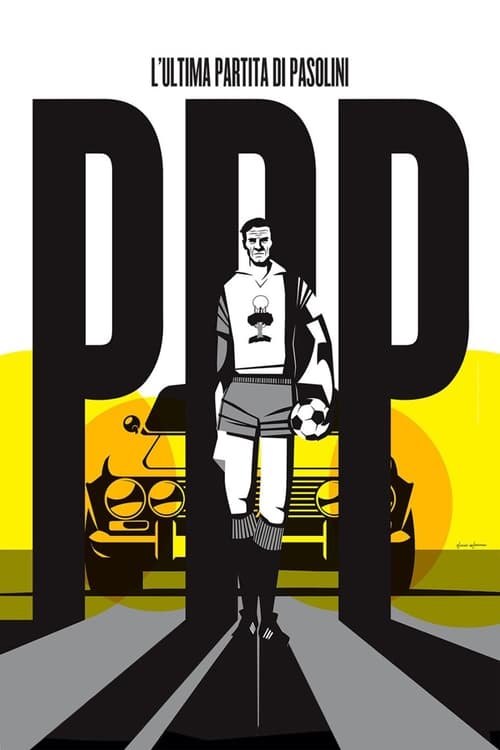
L’Ultima Partita di Pasolini
Documentary
Overview
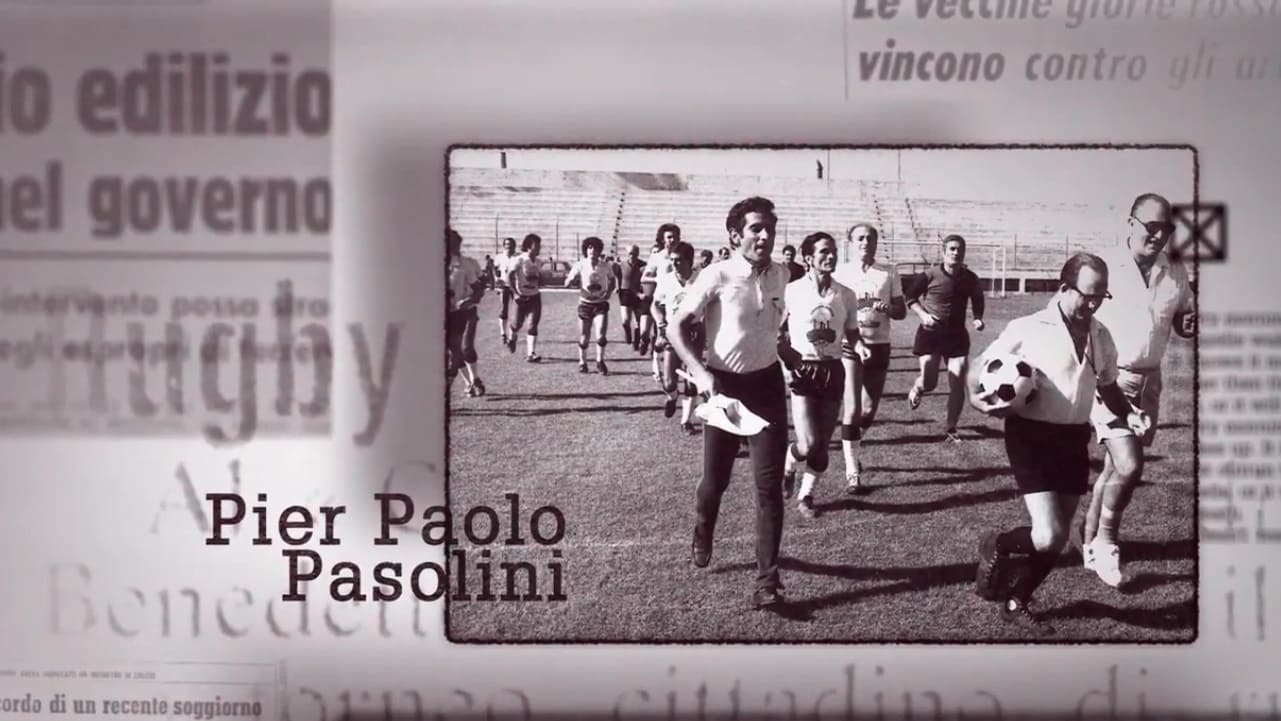
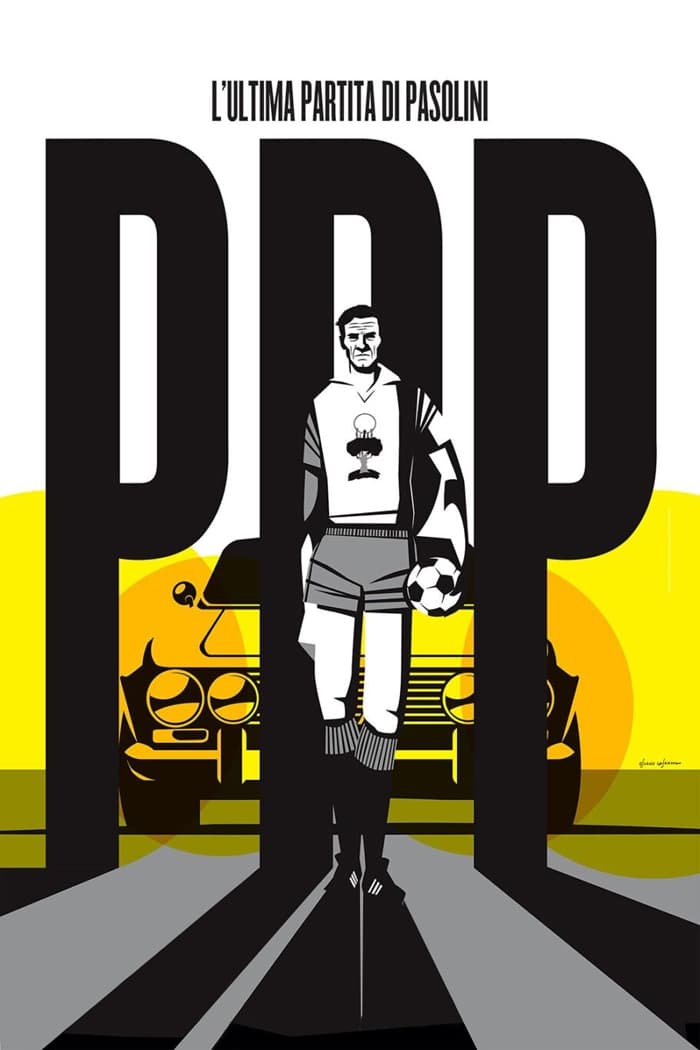
On September 14, 1975, Pier Paolo Pasolini played his last game of football, before his death, in San Benedetto del Tronto. “The last match of Pasolini” starts from a pretext of a football game, to tell a historical period that was fundamental for the whole of Italy, with its contradictions and tragedies, through an apparently playful vision of Pasolini, but that allows us to understand better the importance of the Italian poet and director.





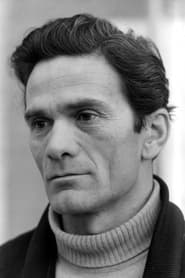
Pier Paolo Pasolini
Pier Paolo Pasolini
Pier Paolo Pasolini
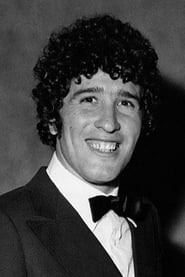
Ninetto Davoli
Ninetto Davoli
Ninetto Davoli

Giorgio Bracardi
Giorgio Bracardi
Giorgio Bracardi
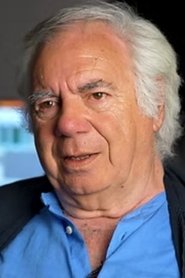
Ugo De Rossi
Ugo De Rossi
Ugo De Rossi
Giovanni Bianconi
Giovanni Bianconi
Giovanni Bianconi
Similar Movies
As Hong Kong's foremost filmmaker, Johnnie To himself becomes the protagonist of this painstaking documentary exploring him and his Boundless world of film. A film student from Beijing and avid Johnnie To fan, Ferris Lin boldly approached To with a proposal to document the master director for his graduation thesis. To agreed immediately and Lin's camera closely followed him for over two years, capturing the man behind the movies and the myths. The result is Boundless, a candid profile of one of Hong Kong's greatest directors and a heartfelt love letter to Hong Kong cinema.
Brought to life through archival material and the reflections of over 40 colleagues, friends and fans, BLOOD & FLESH is much more than the story of a moviemaking life most unusual. It beautifully captures the worlds of outsider filmmaker communities that existed in California in the ’70s, and the weird ways they intersected with Hollywood mainstream and union indies. On Adamson shoots, regular Orson Welles crew and cinematographers like Gary Graver, Vilmos Szigmond and Lazlo Kovaks worked alongside Bud Cardos — and at one point, Charles Manson! Director David Gregory (founder of Severin Films, director of LOST SOUL: THE DOOMED JOURNEY OF RICHARD STANLEY’S ISLAND OF DR. MOREAU) spent years making this film, speaking to everyone down to the cops who investigated Adamson’s murder, vividly encapsulating both a bold life and tragic demise, with alien conspiracies, go-go dancers and Colonel Sanders coming in along the way. If you’ve got even a passing interest in cinema, you want to see this
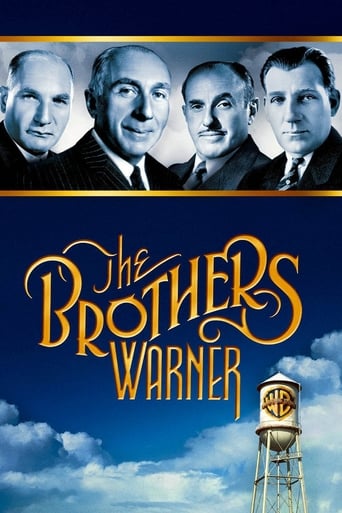
Jack L. Warner, Harry Warner, Albert Warner and Sam Warner were siblings who were born in Poland and emigrated to Canada near the turn of the century. In 1903, the brothers entered the budding motion picture business. In time, the Warner Brothers moved into film production and would open their own studio in 1923.
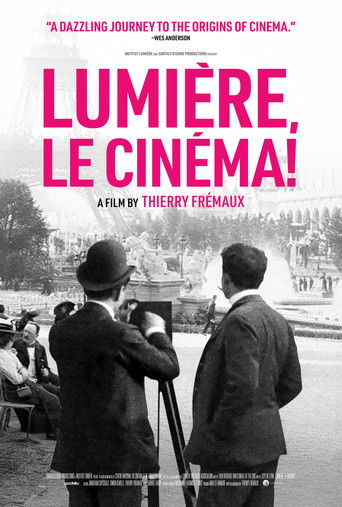
In one of those wonderful coincidences of history, lumière, the French word for “light,” was also the last name of brothers Auguste and Louis, whose brilliant invention, the cinematograph, helped to inaugurate the most beloved art form of the last 130 years. Institute Lumière director Thierry Frémaux uses Lumière, Le Cinema! to guide the viewer through over a hundred shorts—some famous, some forgotten, some never before seen—directed by Lumière and company. In the process, Frémaux illuminates how the brothers employed the camera as a creative instrument as they (and their operators) mastered framing, staging, and subject selection for quotidian and exotic microdocumentaries as well as the first ever fictional motion pictures. The result is not only a glorious re(telling) of the genesis of cinema but a profound meditation on the beautiful world captured—and the mysterious world imagined—by the Lumières.
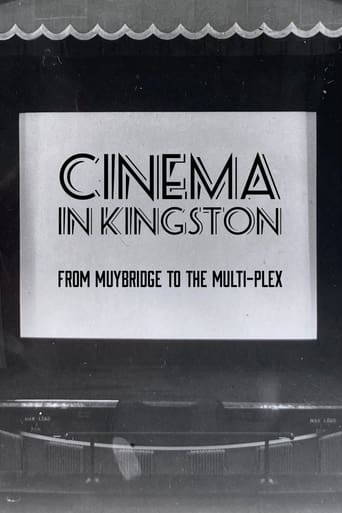
An oral history exploring the development of film projection and cinema in Kingston-on-Thames - from resident innovator Eadweard Muybridge through the heyday, decline, and re-emergence of cinema. Features interviews with historians, projectionists and usherettes as well as cinema-goers with rare footage and images from Kingston’s cinemas.
He is the most sought-after man in Europe in the 1960s. Lex Barker embodies the flawless hero in his films and, as Old Shatterhand, becomes a role model for generations of fans. Revered in Europe, misunderstood and almost forgotten in his native America. But who was this American who rode through Yugoslavia in a leather costume for the European audience? In 1973, Lex Barker died of a heart attack on the streets of Manhattan in New York. But no one recognizes the man who was Tarzan in Hollywood. Nobody knows him or cares about that he, as Winnetou's friend, is revered as an icon in Europe. Lex Barker's European western adventures are just a footnote in American film history. On the occasion of the 50th anniversary of his death, the documentary tells the story of one of the most beautiful men who ever flickered across Europe's cinema screens, for whom European cinema proved to be a stroke of luck and for whom a failed Hollywood career took him via Italy to Germany.