

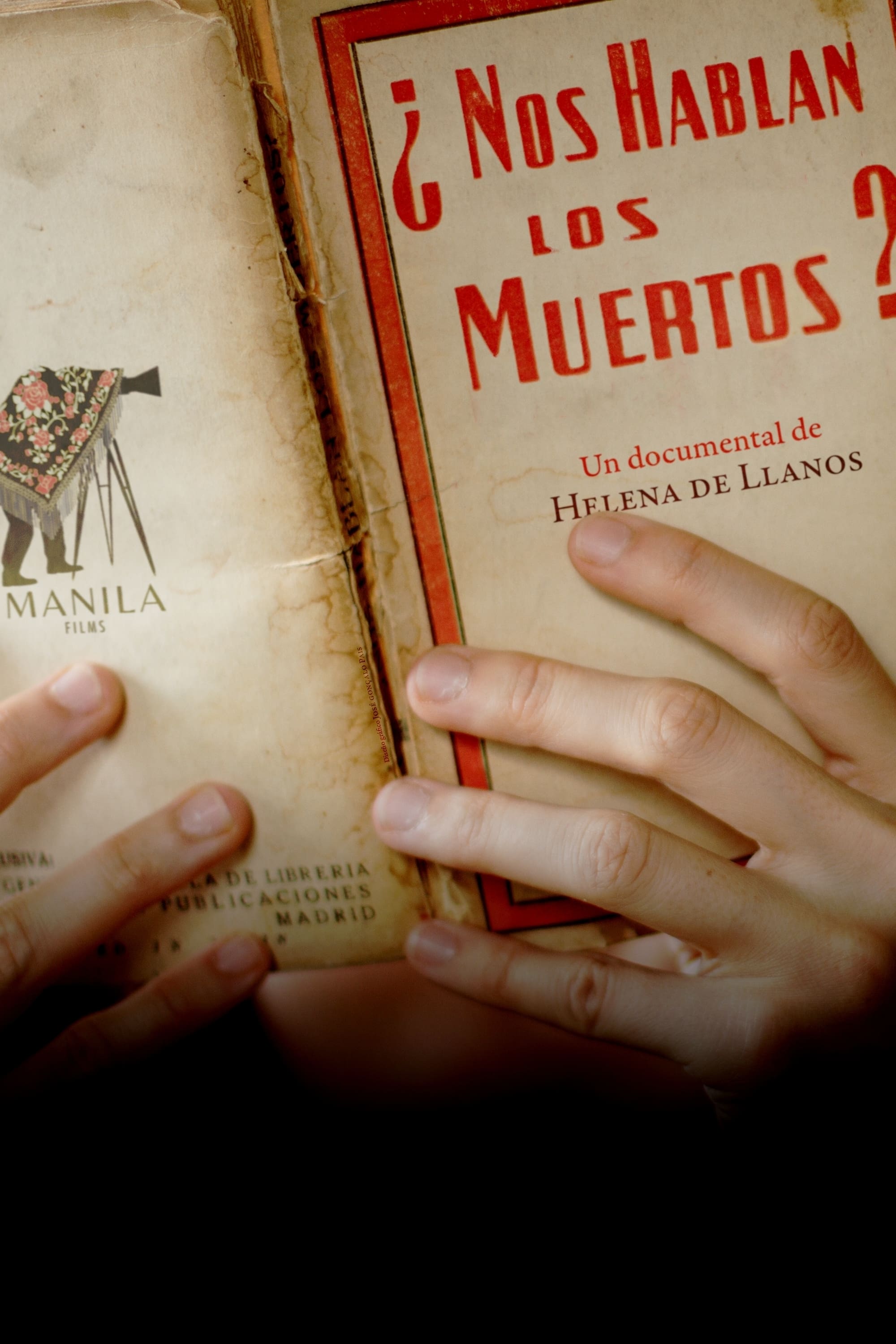
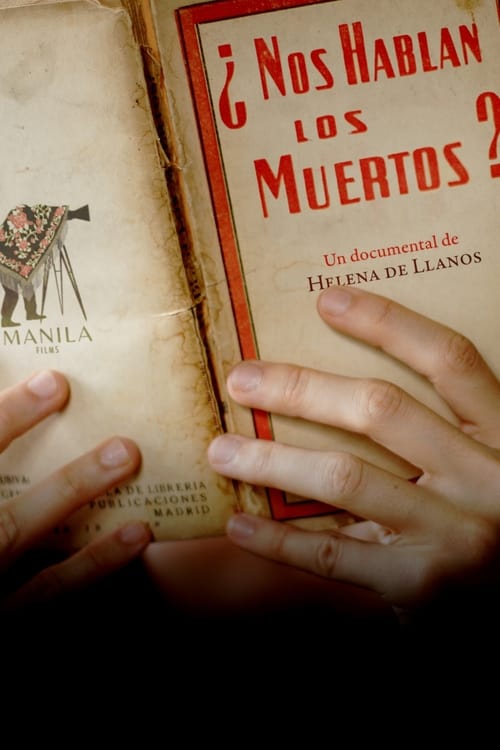
Do the Dead Speak to Us?
Documentary
Overview
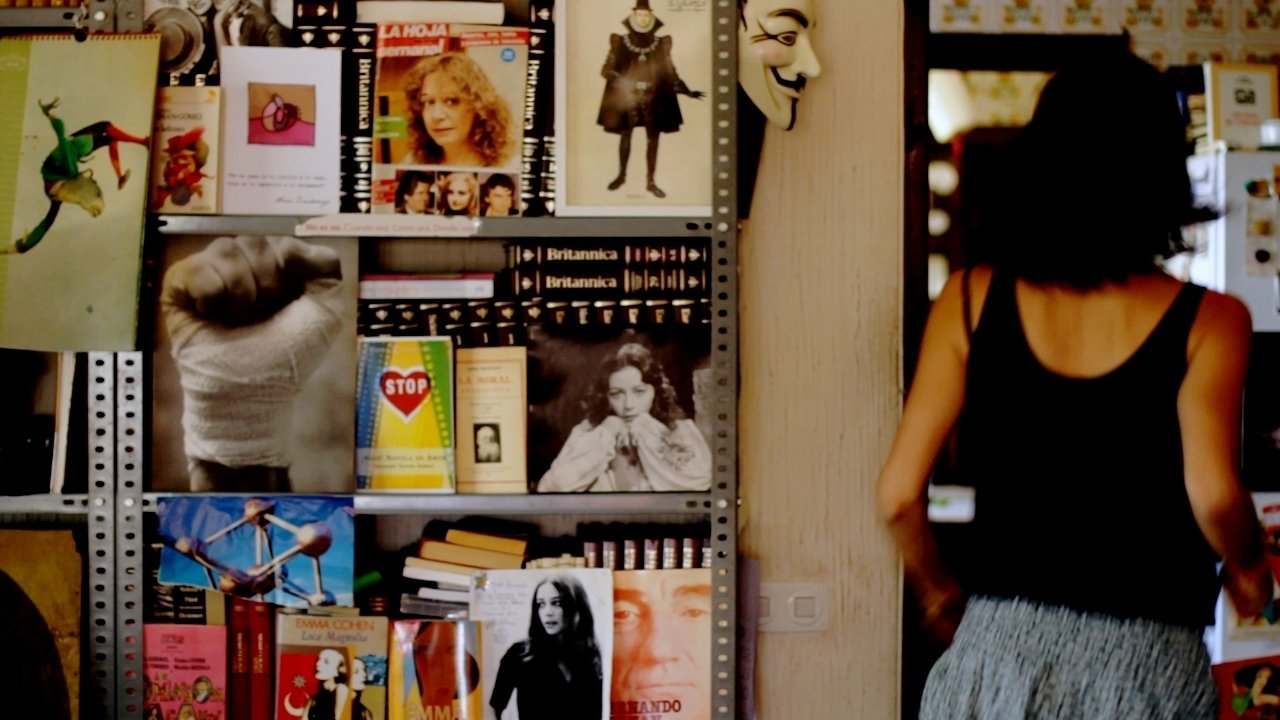
Filmmaker Helena de Llanos, who lives in the chaotic house, full of memories and treasures, where her grandfather, Fernando Fernán Gómez (1921-2007), legendary writer, actor and director; and his wife, the actress and writer Emma Cohen (1946-2016), shared their lives, analyzes the relationship that the living have with the dead through the places and objects they have left behind.




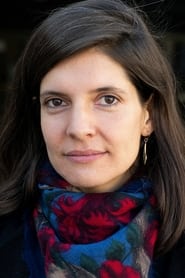
Helena de Llanos
Helena de Llanos
Self
Helena de Llanos
Self
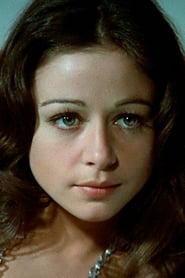
Emma Cohen
Emma Cohen
Self (archive footage)
Emma Cohen
Self (archive footage)
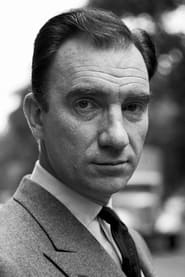
Fernando Fernán Gómez
Fernando Fernán Gómez
Self (archive footage)
Fernando Fernán Gómez
Self (archive footage)
Similar Movies
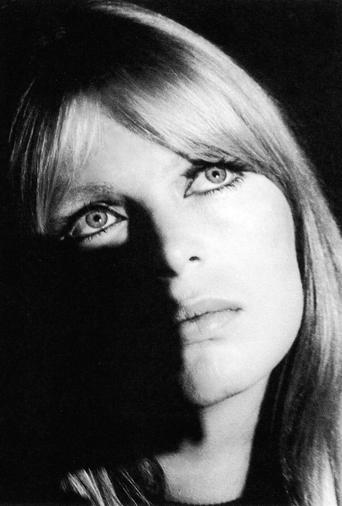
"Not a documentary but the the ruins of an attempted documentary." - Grashina Gabelmann Nico’s solo concert in West Berlin 1986. She’s high, giggly, not entirely there but her voice is still haunting and raspy and her presence still the one of a star. We see short clips of an interview held the same year in a hotel – an interview Gaul found somewhere, where he can not remember. We see footage borrowed from Andy Warhol’s estate. Footage of factory parties and screen tests.
A documentary that paints a remarkable picture of America and how the rise of civic and economic reinvention is transforming small cities and towns across the country. Based on journalists James and Deborah Fallows' book Our Towns: A 100,000-Mile Journey into the Heart of America, the film spotlights local initiatives and explores how a sense of community and common language of change can help people and towns find a different path to the future.

Several key words emerge from Hugo Pratt's work, inseparable from his life: travel, adventure, erudition, esotericism, mystery, poetry, melancholy... and of course, Corto Maltese, his hero and alter ego, who established him as one of the greatest names in comic books. Born in Italy in 1927 and dying in Switzerland sixty-eight years later, Hugo Pratt, born without an H and with only one T, grew up in the shadow of a fascist father who took him at a very young age to Ethiopia, which was occupied by Mussolini's forces. The teenager developed a fascination for the wide-open spaces of Africa, soon followed by an irresistible attraction to the Indian world. This was the starting point for a life of travel, success, conquests, rare failures, and marked by his veneration for the American cartoonist Milton Caniff, his absolute master.
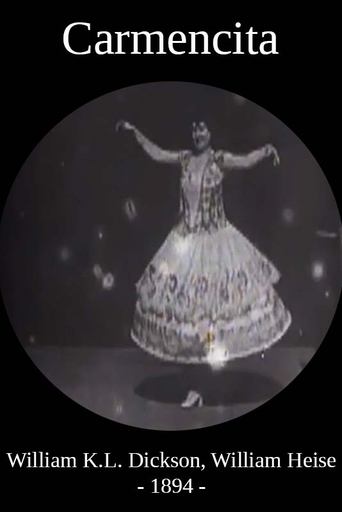
The first woman to appear in front of an Edison motion picture camera and possibly the first woman to appear in a motion picture within the United States. In the film, Carmencita is recorded going through a routine she had been performing at Koster & Bial's in New York since February 1890.
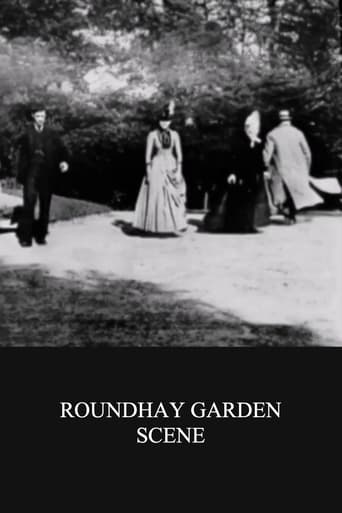
The earliest surviving motion-picture film, and believed to be one of the very first moving images ever created, was shot by Louis Aimé Augustin Le Prince using the LPCCP Type-1 MkII single-lens camera. It was taken on paper-based photographic film in the garden of Oakwood Grange, the Whitley family house in Roundhay, Leeds, West Riding of Yorkshire (UK), on 14 October 1888. The film shows Adolphe Le Prince (Le Prince’s son), Mrs. Sarah Whitley (Le Prince’s mother-in-law), Joseph Whitley, and Miss Harriet Hartley walking around in circles, laughing to themselves, and staying within the area framed by the camera. Roundhay Garden Scene is often associated with a recording speed of around 12 frames per second and runs for about 2 to 3 seconds.
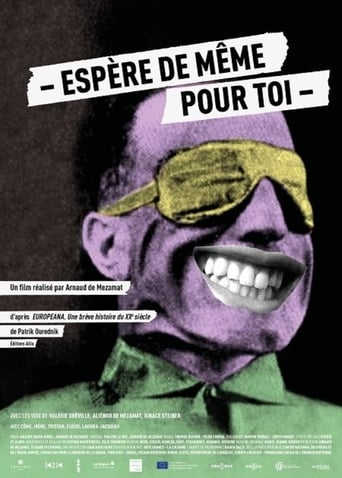
The iconic book ”Europeana: A Brief History of the Twentieth Century” by Patrik Ouředník, first published in 2001, thanks to the imagination of the French filmmaker has transformed into an apocalyptic chronicle of the last century. A straightforward testimony of scientific rationality, which led the society to a spiritual crisis and resulted in six genocides, is accompanied with melancholic Mahlerian echoes of La Belle Époque when the world was just getting ready for the century that negated all humanity. The film raises the question whether Europe in post-history and post-humanity, sweetly anaesthetized to collective unconsciousness, will pretend as if nothing had happened.