

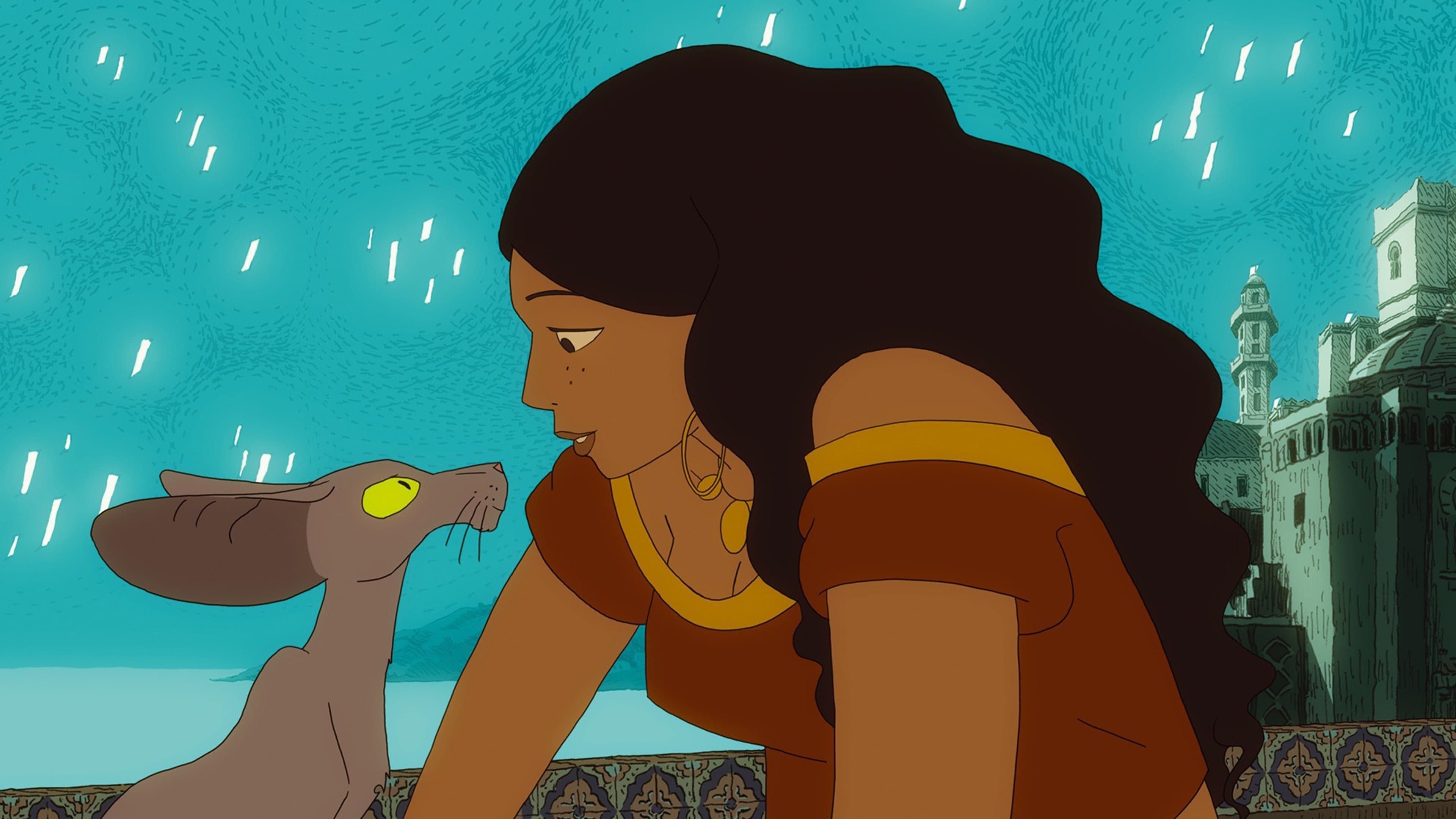

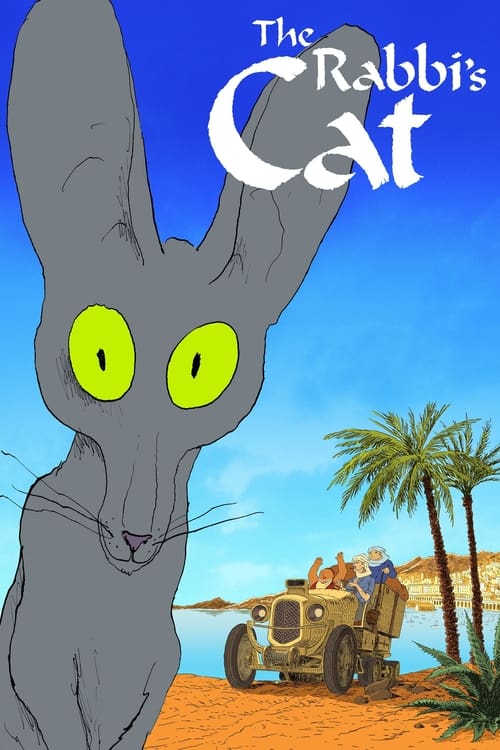
The Rabbi's Cat
Comedy · Animation
Overview
The story of a rabbi and his talking cat, a sharp-tongued feline philosopher brimming with scathing humor and a less than pure love for the rabbi's teenage daughter.
Top Cast
François Morel
The cat (voice)
Hafsia Herzi
Zlabya, rabbi's daughter (voice)
Maurice Bénichou
Rabbi (voice)
Jean-Pierre Kalfon
Malka of the lions (voice)
Daniel Cohen
Rabbi of the rabbi (voice)

François Damiens
Reporter (voice)
Mohamed Fellag
Sheik Mohammed Sfar (voice)
Mathieu Amalric
Prince (voice)
Éric Elmosnino
Professor Solimane (voice)
Marguerite Abouet
African (voice)
Wojciech Pszoniak
Vastenov (voice)

Alice Houri
Knidelette (voice)





François Morel
François Morel
The cat (voice)
François Morel
The cat (voice)
Hafsia Herzi
Hafsia Herzi
Zlabya, rabbi's daughter (voice)
Hafsia Herzi
Zlabya, rabbi's daughter (voice)
Maurice Bénichou
Maurice Bénichou
Rabbi (voice)
Maurice Bénichou
Rabbi (voice)
Jean-Pierre Kalfon
Jean-Pierre Kalfon
Malka of the lions (voice)
Jean-Pierre Kalfon
Malka of the lions (voice)
Daniel Cohen
Daniel Cohen
Rabbi of the rabbi (voice)
Daniel Cohen
Rabbi of the rabbi (voice)
François Damiens
François Damiens
Reporter (voice)
François Damiens
Reporter (voice)
Mohamed Fellag
Mohamed Fellag
Sheik Mohammed Sfar (voice)
Mohamed Fellag
Sheik Mohammed Sfar (voice)
Mathieu Amalric
Mathieu Amalric
Prince (voice)
Mathieu Amalric
Prince (voice)
Éric Elmosnino
Éric Elmosnino
Professor Solimane (voice)
Éric Elmosnino
Professor Solimane (voice)
Marguerite Abouet
Marguerite Abouet
African (voice)
Marguerite Abouet
African (voice)
Similar Movies
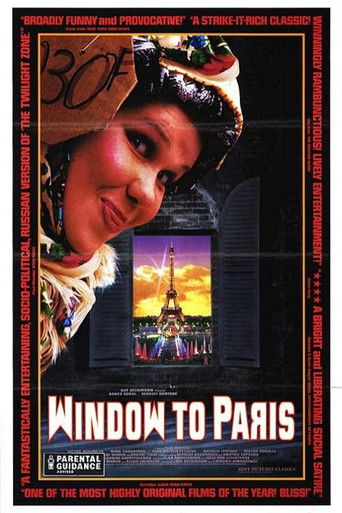
Nikolai (played by Sergei Dontsov) has been fired from his job as a music teacher and has to live in the gym until he finds a place to stay. Finally, he gets a communal room in the apartment of Gorokhov (Victor Mikhalkov). The room's previous inhabitant, an old lady, has died a year ago, and yet her cat, Maxi, is still in the locked room, healthy and fat. Soon, Nikolai and his neighbours discover the mystery: there is a window to Paris in the room. That's when the comedy begins - will the Russians be able to cope with the temptation to profit from the discovery?
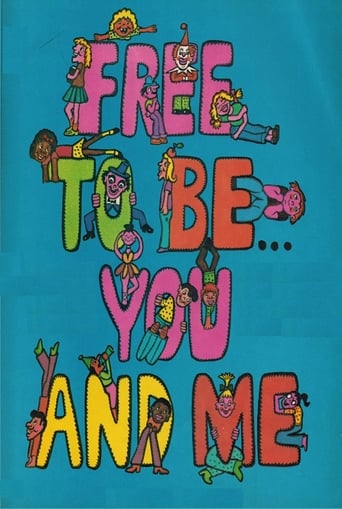
Free to Be…You and Me, a project of the Ms. Foundation for Women, is a record album, and illustrated book first released in November 1972, featuring songs and stories from many current celebrities of the day (credited as "Marlo Thomas and Friends") such as Alan Alda, Rosey Grier, Cicely Tyson, Carol Channing, Michael Jackson, and Diana Ross, among others. An ABC Afterschool Special using poetry, songs, and sketches, followed two years later in March 1974. The basic concept is to encourage a post-60's gender neutrality, while saluting values such as individuality, tolerance, and happiness with one's identity. A major thematic message is that anyone, whether a boy or a girl, can achieve anything.
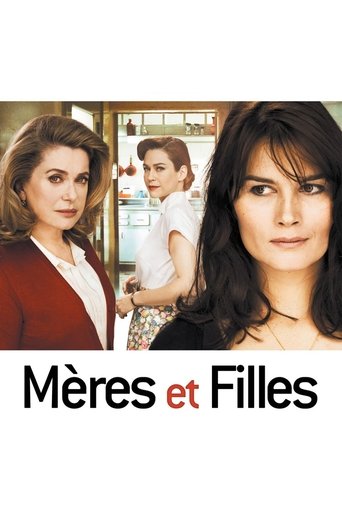
In the 1950s, Louise left her husband when their children were still little. She was never heard from again. Her daughter Martine stayed in the small seaside town, where she became a doctor. Martine's daughter, Audrey, a thirty-year-old independent woman, returns to visit her parents. By chance, she finds a notebook that belonged to her grandmother, a diary that may at last explain her departure. Will it reveal the things left unsaid, that have altered the relationships within the heart of the family ever since? In it, will Audrey find answers to the questions that she is asking herself about her own future?