

Black Power in America: Myth or Reality?
Documentary
Overview
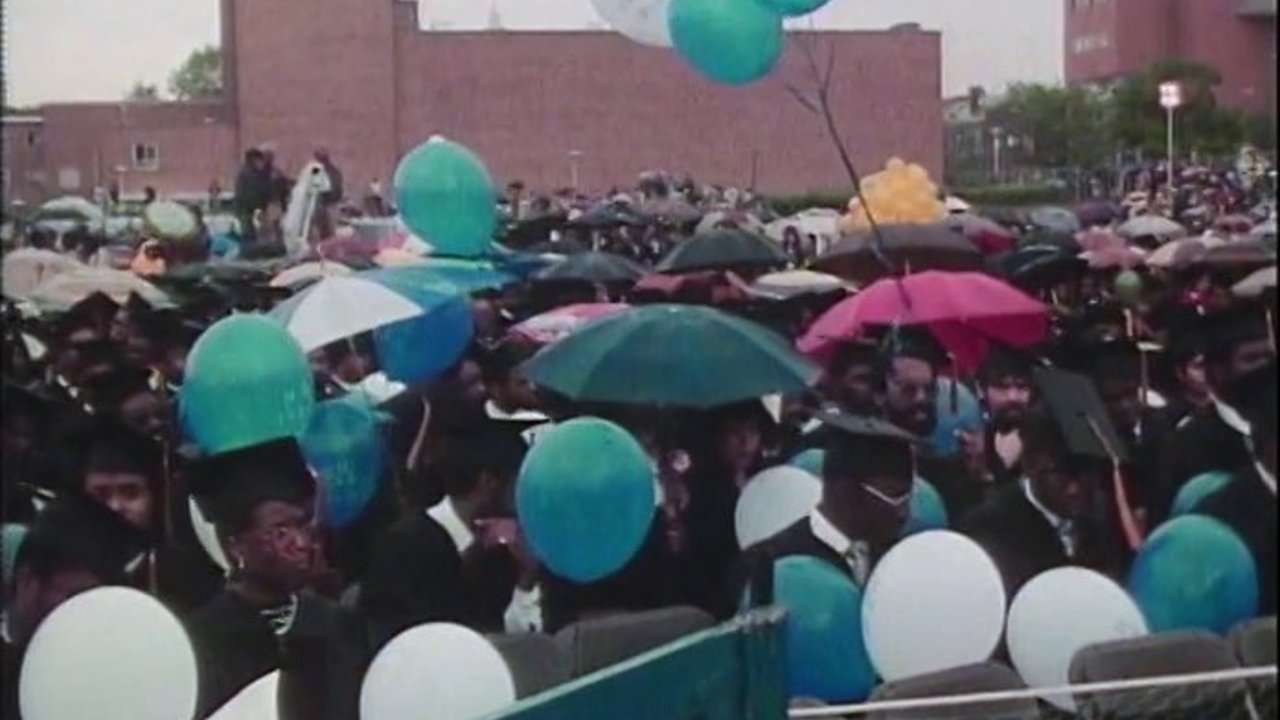
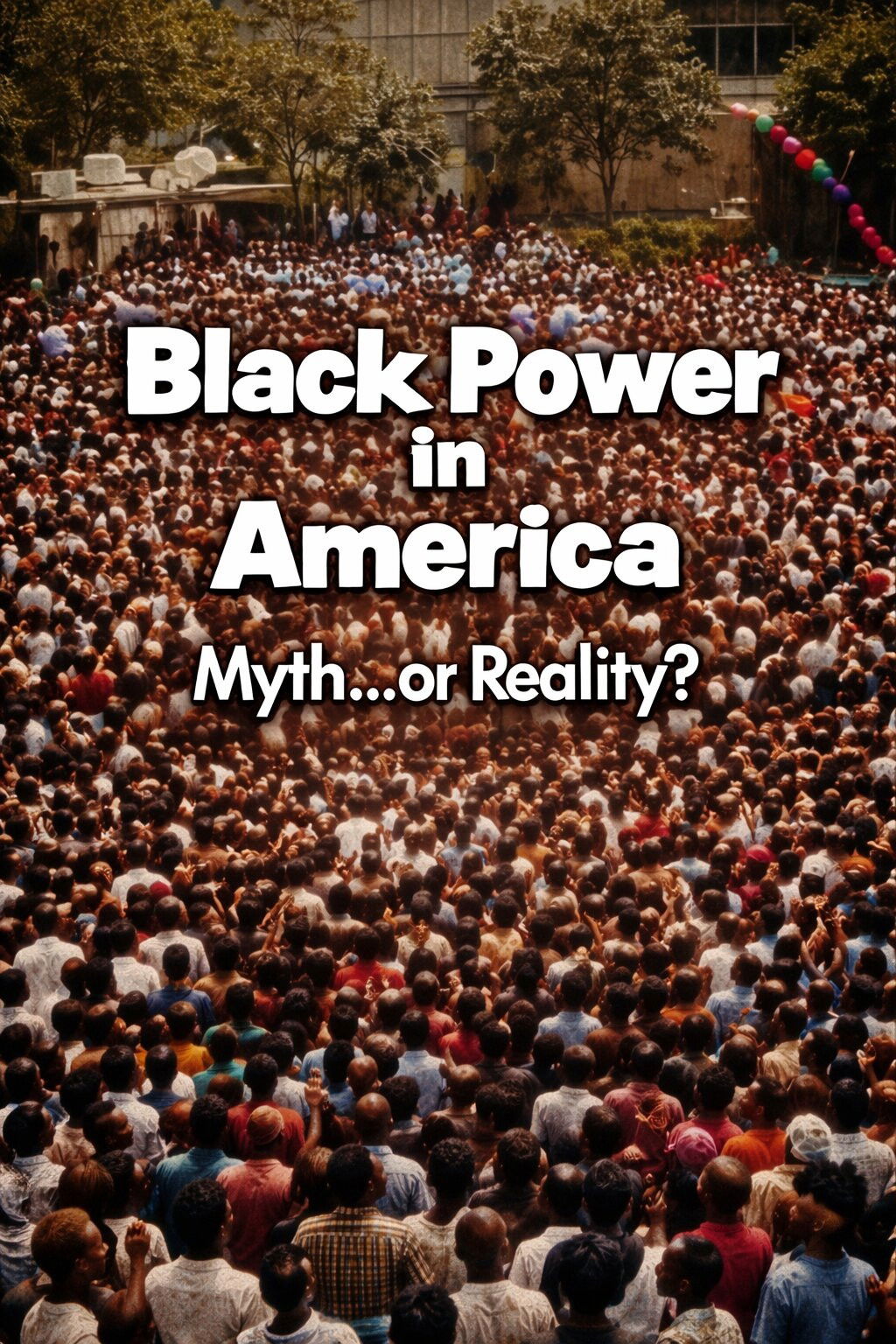
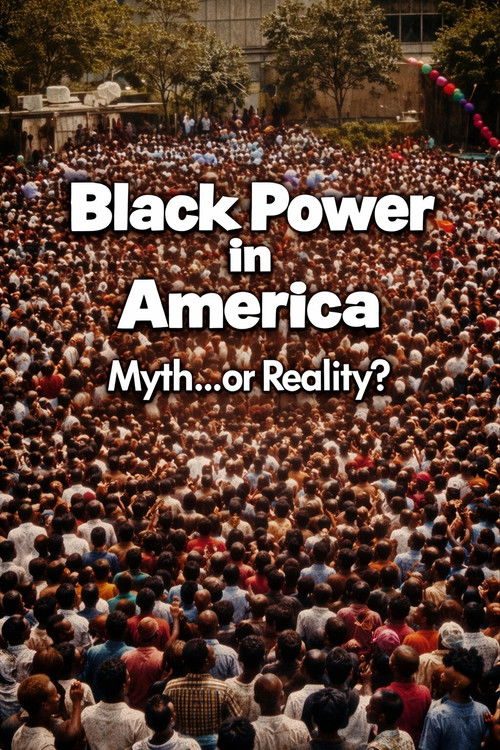
The film questions whether the Civil Rights Movement of the 1960s effectively changed the Black community, and American society more widely, and examines the notion of Black power itself. Greaves interviewed major Black leaders, such as Franklin Thomas, Clifton Wharton Jr., Eleanor Holmes Norton, and Lerone Bennett Jr. to present a candid take on issues within the African American community, revealing wider societal problems in America at large.




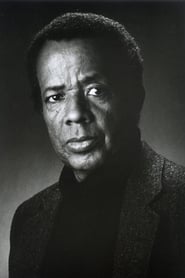
William Greaves
William Greaves
Narrator/Interviewer
William Greaves
Narrator/Interviewer
Lerone Bennett Jr.
Lerone Bennett Jr.
Self
Lerone Bennett Jr.
Self
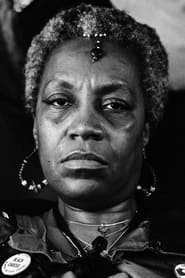
Florynce Kennedy
Florynce Kennedy
Self
Florynce Kennedy
Self
Franklin A. Thomas
Franklin A. Thomas
Self
Franklin A. Thomas
Self
June Jackson Christmas
June Jackson Christmas
Self
June Jackson Christmas
Self
Charles V. Hamilton
Charles V. Hamilton
Self
Charles V. Hamilton
Self
Richard Hatcher
Richard Hatcher
Self
Richard Hatcher
Self

Eleanor Holmes Norton
Eleanor Holmes Norton
Self
Eleanor Holmes Norton
Self
Clifton R. Wharton Jr.
Clifton R. Wharton Jr.
Self
Clifton R. Wharton Jr.
Self
Similar Movies
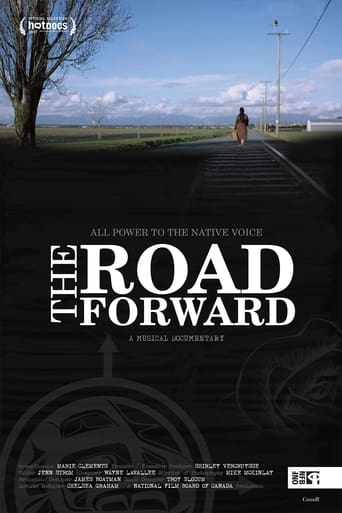
The Road Forward is an electrifying musical documentary that connects a pivotal moment in Canada’s civil rights history—the beginnings of Indian Nationalism in the 1930s—with the powerful momentum of First Nations activism today. Interviews and musical sequences describe how a tiny movement, the Native Brotherhood and Sisterhood, grew to become a successful voice for change across the country. Visually stunning, The Road Forward seamlessly connects past and present through superbly produced story-songs with soaring vocals, blues, rock, and traditional beats.

Directed by Oscar-winning filmmaker Nick Reed & Ryan Azevedo, the film tells the story of activist and Claire’s Place Foundation Founder Claire Wineland through interviews and footage, exploring her fight with cystic fibrosis and how she has inspired millions to find purpose and to live proudly.
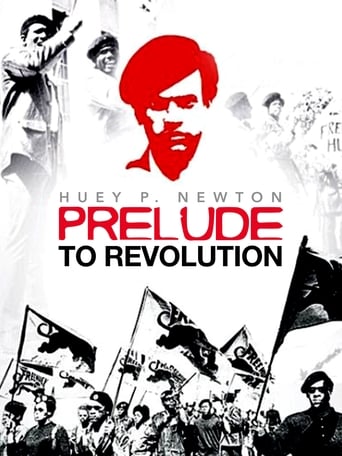
Hear the inside story of Huey Newton and the Black Panthers with this documentary that examines their efforts to promote the rights of African Americans as well as the organization's violent tactics, including the killing of a police officer. The film features a rare jailhouse interview with Newton discussing the role of revolution and civil disobedience, plus footage of several Panthers' bullet-riddled homes following police raids.
"Africa Light" - as white local citizens call Namibia. The name suggests romance, the beauty of nature and promises a life without any problems in a country where the difference between rich and poor could hardly be greater. Namibia does not give that impression of it. If you look at its surface it seems like Africa in its most innocent and civilized form. It is a country that is so inviting to dream by its spectacular landscape, stunning scenery and fascinating wildlife. It has a very strong tourism structure and the government gets a lot of money with its magical attraction. But despite its grandiose splendor it is an endless gray zone as well. It oscillates between tradition and modernity, between the cattle in the country and the slums in the city. It shuttles from colonial times, land property reform to minimum wage for everyone. It fluctuates between socialism and cold calculated market economy.
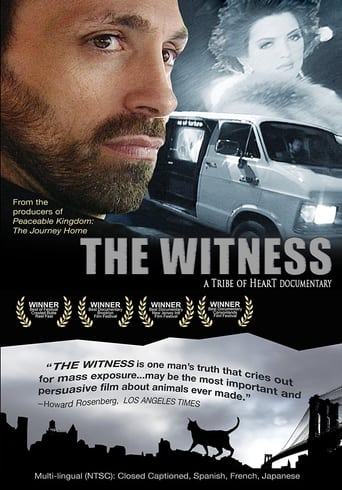
Transformed by the love of a kitten, a tough New York City construction contractor is inspired to rescue abandoned animals, become a vegetarian, and take his message of compassion to the streets. A construction contractor who grew up on the mean streets of Brooklyn, Eddie Lama is probably the last person you'd figure to be an animal activist. Indeed, Eddie was raised with a deeply ingrained aversion to animals, as he explains in the award-winning documentary "The Witness." But when a pretty woman asks him to take care of her kitten, he finds himself reluctantly agreeing as a ploy to get a date, not knowing that his life is about to change forever. In the end, it is the kitten who captures his heart, opening his eyes to the wonder of other living creatures and awakening him to the richness of the human-animal bond.
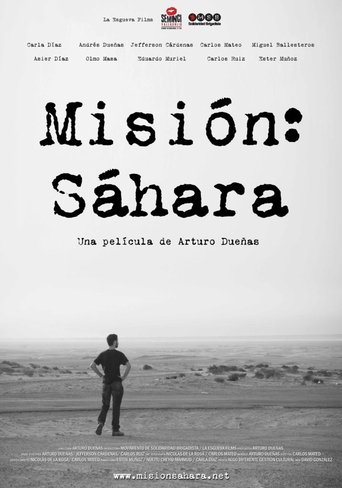
On 1976 twenty thousand Spaniards left the last European colony in Africa, and thousands of Saharawi’s are abandoned to their fate. Forty years have gone by and Western Sahara has become a forgotten conflict. This film offers an original point of view: the version of the conflict from the opposition to the regime within the occupying power, Morocco, and the odyssey of a group of young people to achieve these testimonies, while trying to reach the capital of the Occupied Territories, El-Aaiun.

The free, almost naive view from the perspective of a child puts the "68ers" in a new, illuminating light in the anniversary year 2008. The film is a provocative reckoning with the ideological upbringing that seemed so progressive and yet was suffocated by the children's desire to finally grow up. With an ironic eye and a feuilletonistic style, author Richard David Precht and Cologne documentary film director André Schäfer trace a childhood in the West German provinces - and place the major events of those years in completely different, smaller and very private contexts.