

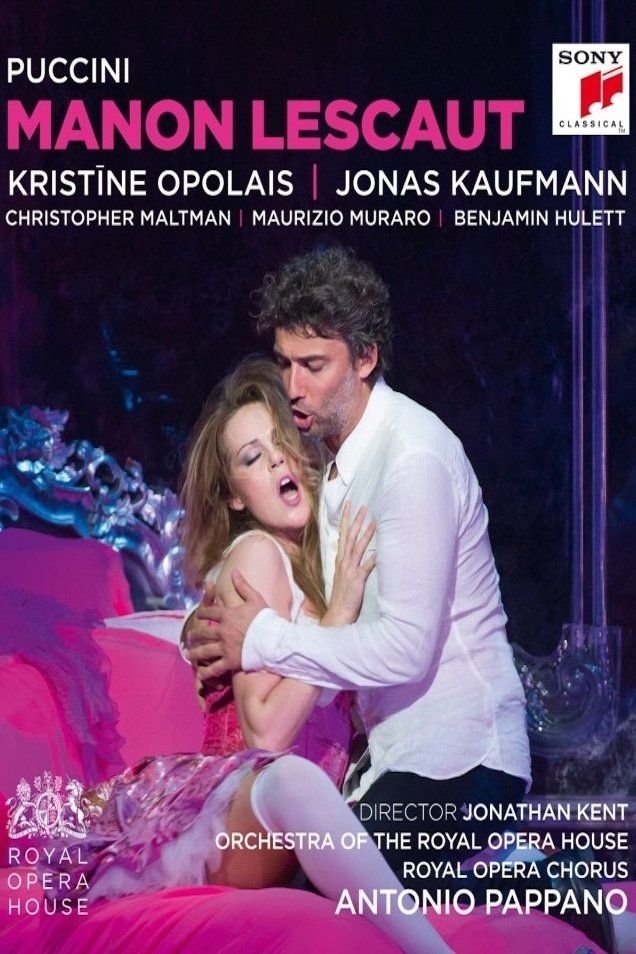
Manon Lescaut
Music
Overview
"Manon Lescaut is a heroine I believe in," wrote Giacomo Puccini to his publisher Giulio Ricordi. Experience Puccini's third opera and first big success in Götz Friedrich's landmark 1983 production at the Royal Opera House. The extraordinary Plácido Domingo and Kiri Te Kanawa take on the roles of the Chevalier Des Grieux and Manon Lescaut, accompanied by the Royal Opera House Choir and Orchestra under the direction of Giuseppe Sinopoli.
Top Cast
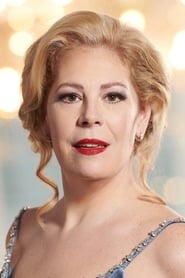
Sondra Radvanovsky
Manon Lescaut
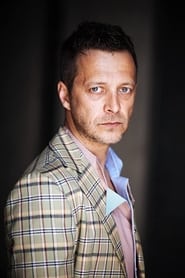
Levente Molnár
Lescaut
Aleksandrs Antonenko
Chevalier Renato Des Grieux
Eric Halfvarson
Geronte di Ravoir
Luis Gomes
Edmondo

Aled Hall
Il maestro di ballo
David Junghoon Kim
Un lampionaio
David Shipley
Un sergente degli arceri
Nicholas Crawley
Il Commandante di Marina
Orchestra of the Royal Opera House


Sondra Radvanovsky
Sondra Radvanovsky
Manon Lescaut
Sondra Radvanovsky
Manon Lescaut
Levente Molnár
Levente Molnár
Lescaut
Levente Molnár
Lescaut
Aleksandrs Antonenko
Aleksandrs Antonenko
Chevalier Renato Des Grieux
Aleksandrs Antonenko
Chevalier Renato Des Grieux
Eric Halfvarson
Eric Halfvarson
Geronte di Ravoir
Eric Halfvarson
Geronte di Ravoir
Luis Gomes
Luis Gomes
Edmondo
Luis Gomes
Edmondo
Aled Hall
Aled Hall
Il maestro di ballo
Aled Hall
Il maestro di ballo
David Junghoon Kim
David Junghoon Kim
Un lampionaio
David Junghoon Kim
Un lampionaio
David Shipley
David Shipley
Un sergente degli arceri
David Shipley
Un sergente degli arceri
Nicholas Crawley
Nicholas Crawley
Il Commandante di Marina
Nicholas Crawley
Il Commandante di Marina
Orchestra of the Royal Opera House
Orchestra of the Royal Opera House
Orchestra of the Royal Opera House
Similar Movies
What happened to Figaro and his friends after the events told in Rossini’s and Mozart’s operas? One possible sequel is told in John Corigliano’s “grand opera buffa” The Ghosts of Versailles—an uproariously funny and deeply moving work inspired by Beaumarchais’s third Figaro play, La Mère Coupable, and commissioned by the Met to celebrate its 100th anniversary. This telecast captures its world premiere run, conducted by James Levine. Håkan Hagegård is Beaumarchais, Figaro’s creator, who is deeply in love with Marie Antoinette (Teresa Stratas in a heart-searing performance) and determined to rewrite history and save her from the guillotine. A young Renée Fleming, at the beginning of her international career, sings the unfaithful Rosina. Gino Quilico is the wily Figaro who tries to take matters in his own hands, and Marilyn Horne stops the show as the exotic entertainer Samira.
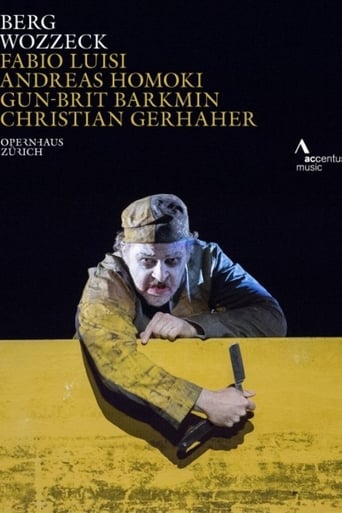
The soldier Wozzeck (Christian Gerhaher) flits through a world that he is unable to decipher. The doctor torments him with absurd medical experiments; the captain humiliates and ridicules him. And Wozzeck’s lover, Marie (Gun-Brit Barkmin), with whom he has a child, cuckolds him with the drum major. Wozzeck becomes a murderer, stabbing Marie to death. Georg Büchner’s drama fragment, on which Alban Berg based his first opera, is an unflinching case study of social injustice and human suffering. But it is also a grotesque piece that thrives on exaggeration – and in which only a fine line separates the unfathomable from the ridiculous. Accordingly, director Andreas Homoki forgoes all realism.
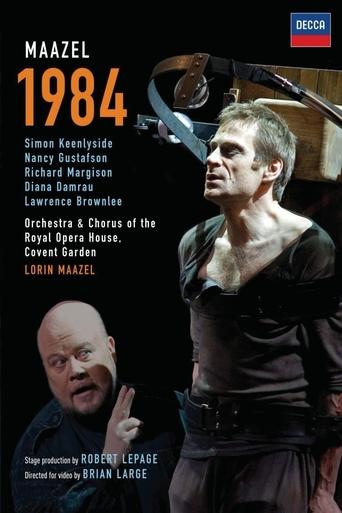
Inspired by one of the twentieth century's greatest novels, composer Lorin Maazel evokes Orwell's totalitarian nightmare, where "Big Brother" is always watching, and those guilty of "thoughtcrime" are condemned to face their worst fears in the infamous "Room 101". Filmed during world premiere performances of Robert Lepage's spectacular and psychologically gripping Royal Opera production and conducted by the composer, an international cast brings George Orwell's dark vision to shattering operatic life.
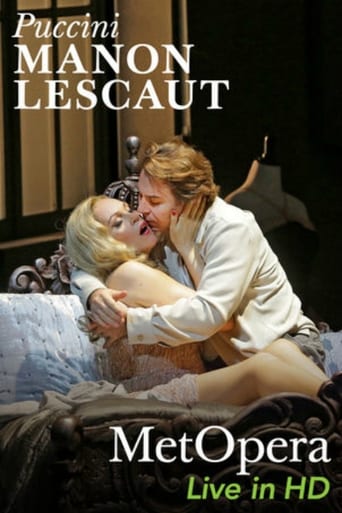
Kristine Opolais is the young woman whose conflicting desires for love and luxury lead to her tragic end, and Roberto Alagna plays the man who falls for her in Puccini’s early hit. Richard Eyre’s elegant production, which sets the action in 1940s occupied France, was one of the highlights of the Met’s 2015–16 season. Massimo Cavalletti as Manon’s brother and Brindley Sherratt as her aging admirer co-star, and Principal Conductor Fabio Luisi is on the podium.
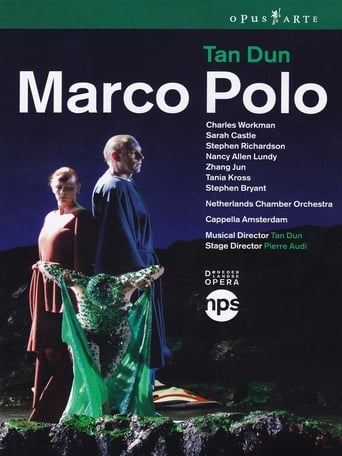
Tan Dun portrays the Venetian explorer's travels to the Far East as a journey of both inner and physical discovery, a voyage depicting spiritual experiences as well as a geographical expedition. Pierre Audi's mythical staging and Jean Kalman's fabulous set design complement the composer's own musical direction, forging the dazzlingly versatile soloists, the Netherlands Chamber Orchestra and Cappella Amsterdam to a stunning symbiosis of elements across time and space, a true testimony to cultures intertwined in globalization.
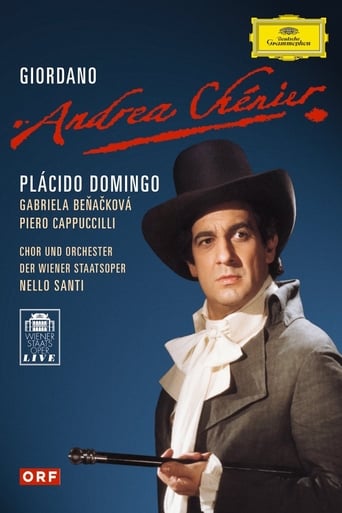
Although Domingo was younger and Banackova looked more like the sweet and innocent young Madalena than the one played by Tomowa-Sintow in the ROH production, this production was not as good. It was not as tight and neat. The tempo set was far too slow for the time-period of the story. The stage setting was distracting. The lighting was too dark. Except Domingo, a natural actor who was always into his role and sings and acts with passion, none of the other performers came up with a convincing portrayal of the role he/she played.
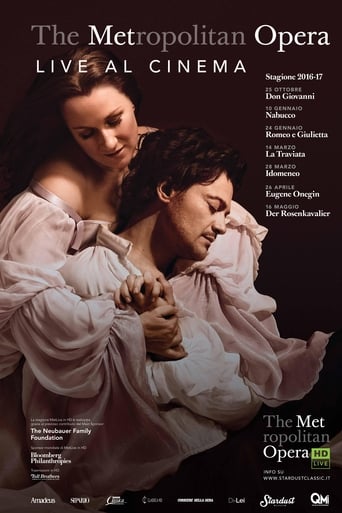
Diana Damrau and Vittorio Grigolo are opera’s classic lovers in Gounod’s lush Shakespeare adaptation. Director Bartlett Sher’s “brilliant and inspired new production … is a revelation” (Huffington Post), and has already won acclaim for its vivid 18th-century milieu and stunning costumes during runs at Salzburg and La Scala. Emmanuel Villaume conducts the sumptuous score.
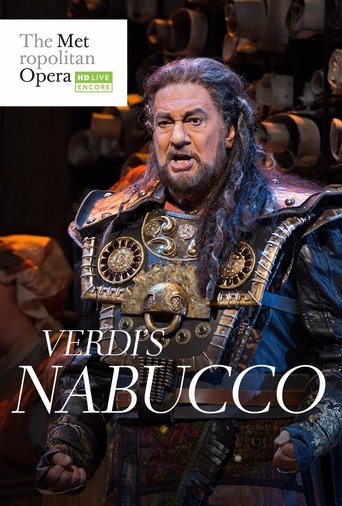
The legendary Plácido Domingo brings another new baritone role to the Met under the baton of his longtime collaborator James Levine. Liudmyla Monastyrska is Abigaille, the warrior woman determined to rule empires, and Jamie Barton is the heroic Fenena. Dmitri Belosselskiy is the stentorian voice of the oppressed Hebrew people.