


Sewing Sisters
Documentary
Overview
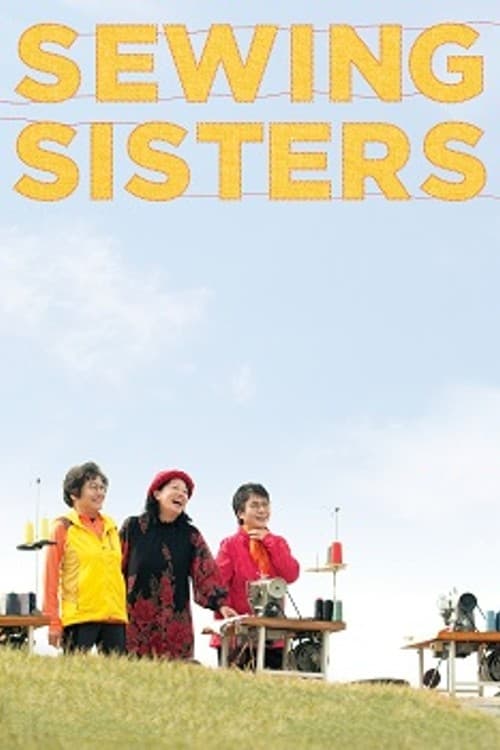
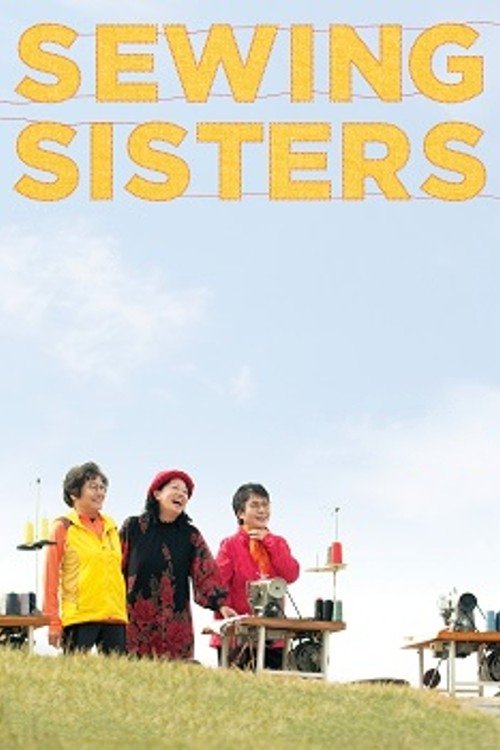
In the late 1960s and early 1970s, girls aged 12 to 16 began working at Pyeonghwa Market. Running sewing machines, they also study the Labor Standards Act under the tutelage of Jeon Taeil. On September 9, 1977, they were imprisoned fighting against the government that closed labor classes, shouting, “The next Jeon Taeil will be a woman!” Now the middle-aged girls recall the memories of the life of female workers, social contempt, and stigma. Watching the sunrise in the East Sea, they admire, ‘How fair it is because everybody can see it.’ Sewing Sisters rewrites the history of maledominated Korean labor struggles in the 1970s with news interviews of female workers belonging to the Cheonggye Clothes Union.
Top Cast








Lee Suk-hee
Lee Suk-hee
Self
Lee Suk-hee
Self
Shin Sun-ae
Shin Sun-ae
Self
Shin Sun-ae
Self
Lim Mi-kyung
Lim Mi-kyung
Self
Lim Mi-kyung
Self
Similar Movies
Three women share their experience of navigating the app-world in the metro city. The sharings reveal gendered battles as platform workers and the tiresome reality of gig-workers' identities against the absent bosses, masked behind their apps. Filmed in the streets of New Delhi, the protagonists share about their door-to-door gigs, the surveillance at their workplaces and the absence of accountability in the urban landscape.

This film documents the coal miners' strike against the Brookside Mine of the Eastover Mining Company in Harlan County, Kentucky in June, 1973. Eastover's refusal to sign a contract (when the miners joined with the United Mine Workers of America) led to the strike, which lasted more than a year and included violent battles between gun-toting company thugs/scabs and the picketing miners and their supportive women-folk. Director Barbara Kopple puts the strike into perspective by giving us some background on the historical plight of the miners and some history of the UMWA. Preserved by the Academy Film Archive in partnership with New York Women in Film & Television in 2004.

The small town locals of Mustjala are the Indians of Estonia - they are ravaged by alcoholism and depression, because they've been ignored by the shiny capitalist dream. But then a German tourist ship boards in Mustjala. Could it be the realization of an old Estonian legend about a white ship coming from another land and bringing joy and prosperity for the local people?

I have been pretty satisfied with my life before I got on the bus. When I do in June 2011, my whole life turns upside down. I am just a regular passenger at first. Like other people I was sorry, and felt obliged to help and care for other passengers. Then I begin to film these common heroes with my camera. Those who speak about hope, who provide it and get on the bus, Ms. Kim Jin-suk, and other crane laborers who risk their safety while demonstrating for their rights on high. She, while stationed insecurely on high, begins interacting with the world through Twitter and makes friends. Then I realize I really love her. Will we have her back safely?

Railroad of Hope consists of interviews and footage collected over three days by Ning Ying of migrant agricultural workers traveling from Sichuan in China's interior, to the Xinjiang Autonomous Region, China's northwest frontier.[1] Through informal interviews aboard the cramped rail cars, Ning Ying explores the hopes and dreams of the workers, many of whom have never left their homes before.

In a secluded village surrounded by forests and a river, an elderly beekeeper and a livestock farmer live alone, their lives shaped by tireless work and quiet harmony. Through one day in their hidden world, this documentary reveals the beauty and mystery of their bond with nature, far from the reach of modern life.

This anthology film, whose Chinese title begins with a romantic name for human excrement, premiered internationally at Rotterdam and won Best Screenplay from the Hong Kong Film Critics Society. A variety of Hong Kong people wrestle with nostalgia when facing an uncertain future. Their stories give way to a documentary featuring a young barista turned political candidate.
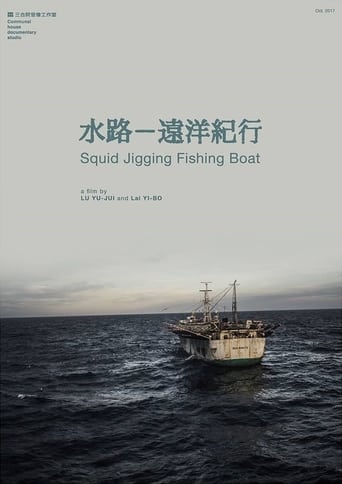
Every December to January, almost a hundred squid fishing boats from Ch'ien-chen Fishing Harbor in Kaohsiung will sail from East 120 to West 60 to work at Falkland Islands in the South West Atlantic. The sailing takes 35-40 days and crew members named it "waterway." January 1st, 2015, a 65 meter long, 11 meter wide fishing boat began its journey to Falkland island. This is a documentary about 60 crew members from south-east Asia to work far away from Taiwan.