

Good Light, Good Air
Documentary
Overview
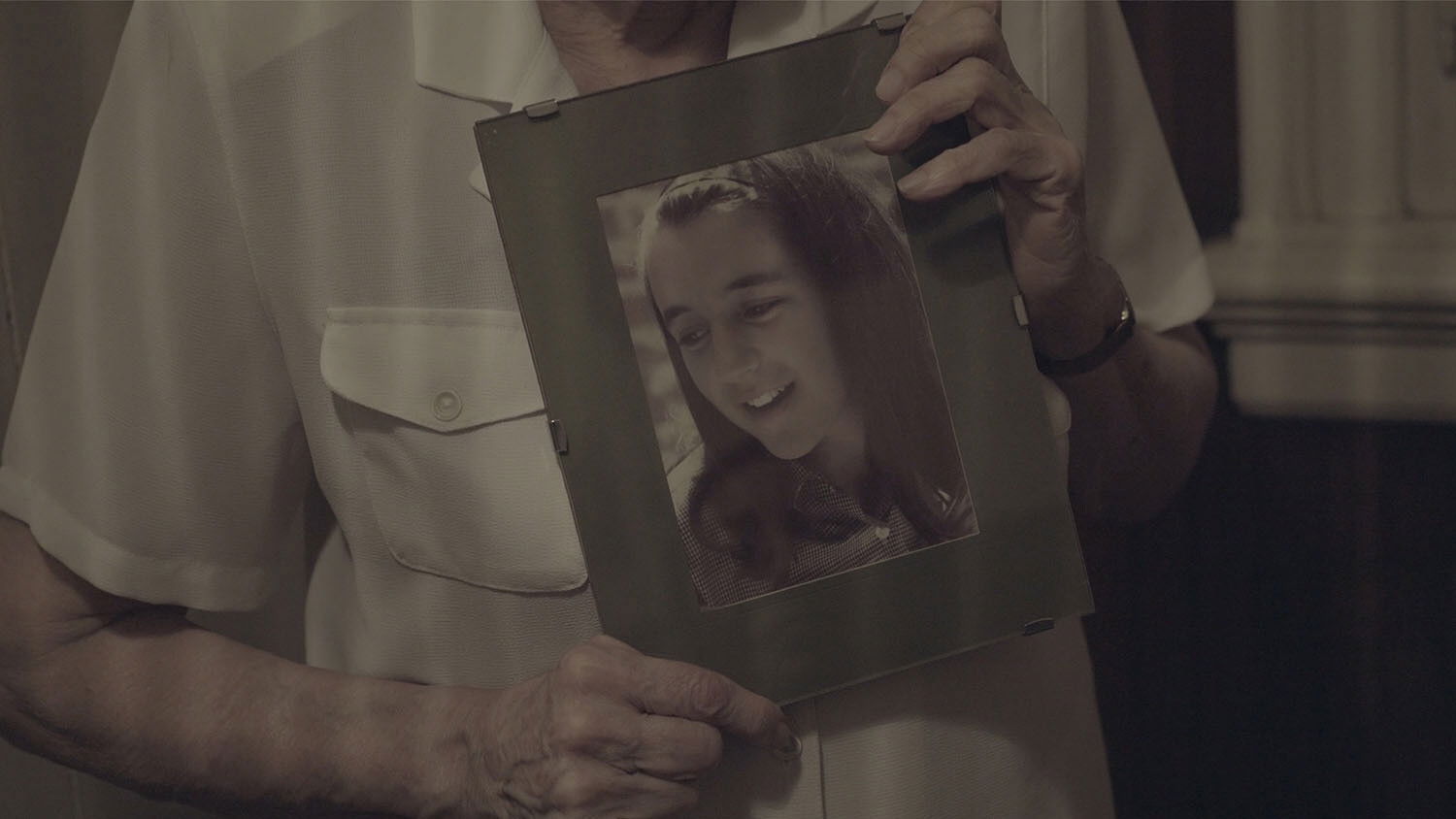
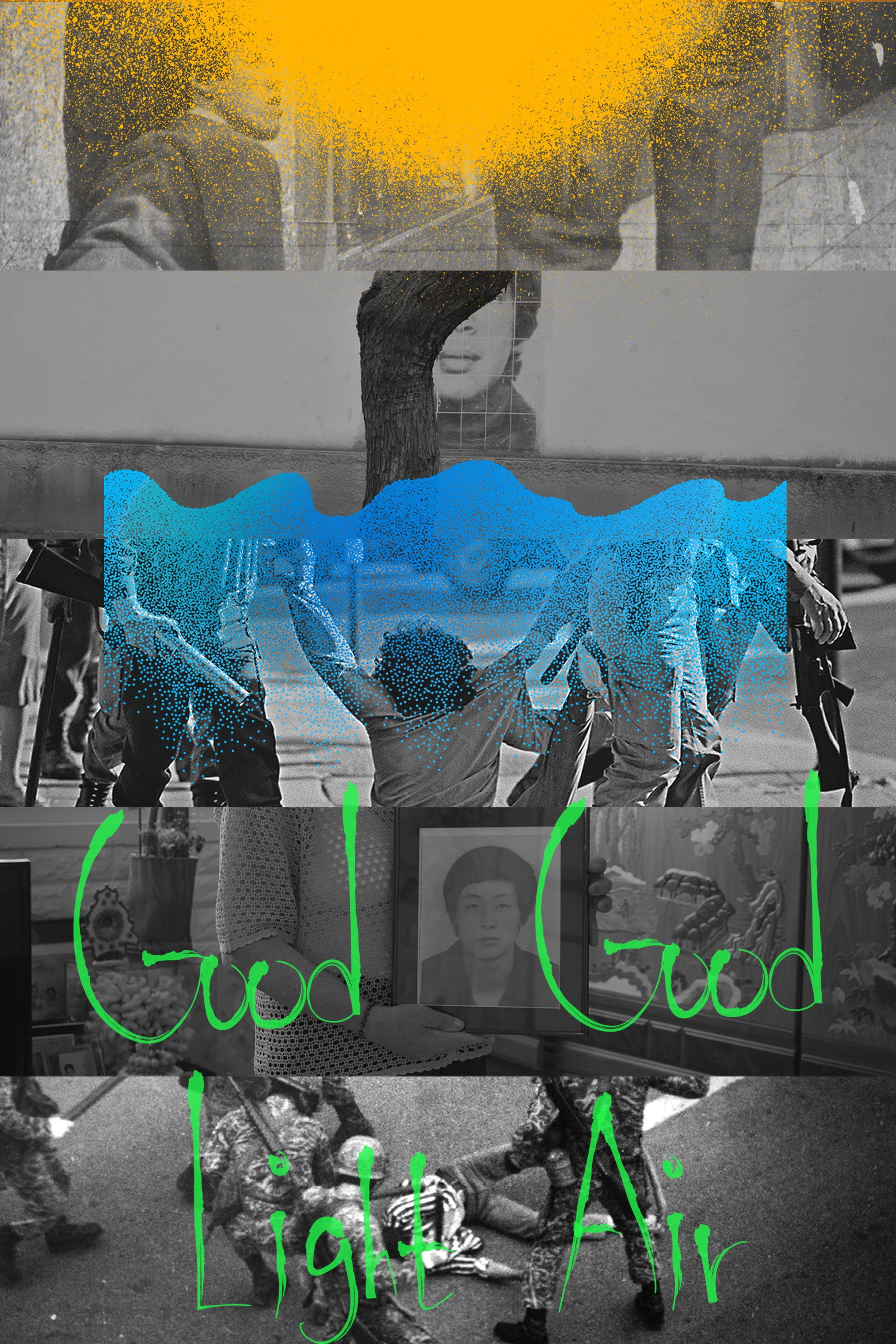
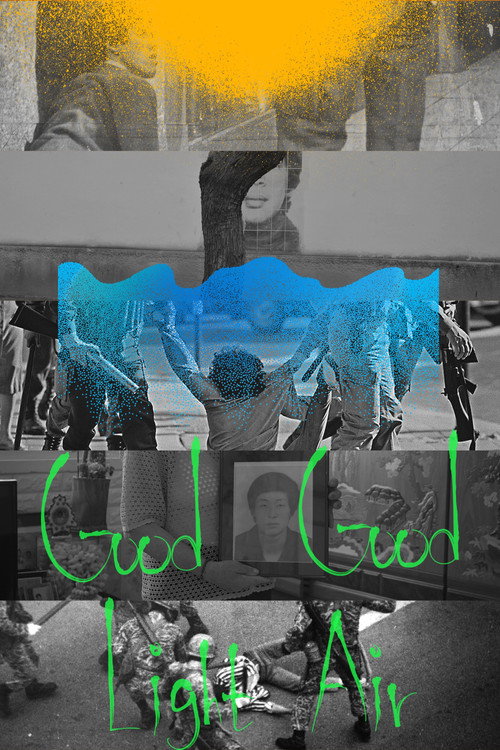
The title Good Light, Good Air is oddly paradoxical. Keenly working at the point where his artistic identity and persistent attention on modern Korean history meet, director Im in this film focused on where the history of oppression and struggle intersect between Gwangju and Buenos Aires. In both cities, a great number of people who fought against the dictatorship were slaughtered and disappeared. The people of both societies still live with that trauma. When the testimonies of the victims of the two cities cross over, the film gives us chills as the eerie history of the two is very similar. Through Good Light, Good Air, director Im asks us how we will remember the past from where we stand right now.
Top Cast




CHA CHO-GANG
CHA CHO-GANG
차초강
CHA CHO-GANG
차초강
CHU HYE-SEONG
CHU HYE-SEONG
추혜성
CHU HYE-SEONG
추혜성
PARK YOO-DEOK
PARK YOO-DEOK
박유덕
PARK YOO-DEOK
박유덕
KIM GIL-JA
KIM GIL-JA
김길자
KIM GIL-JA
김길자
Similar Movies
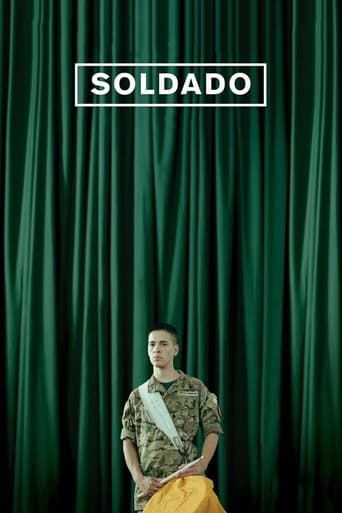
A young man decides to join the army. He becomes the drummer in the military band, and his everyday life is now a combination of military training and music. What does the Argentine Army do these days, more than thirty years after the dictatorship? What does it mean to be a soldier in a country without wars?
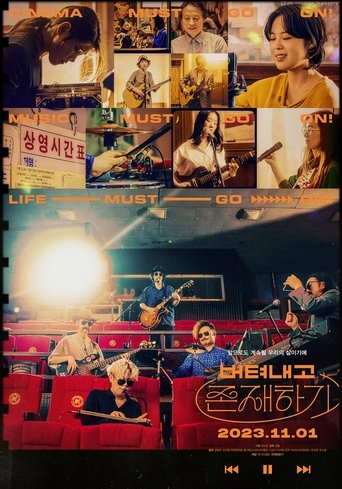
Cinema Gwangju is the first theater in the Honam-region and the only theater that opened in 1935. The cinema has screened films in its original place up to these days. A musician Gonne Choi invites the seven musicians to share "Gwangju-ness" from her own perspective and they visit the cinema to speak and sing about their own "Withstanding and Existing". This documentary also contains the story of the painter Park Tae-gyu, who continuously has been working on hand-painting movie posters from the 1990s until today.
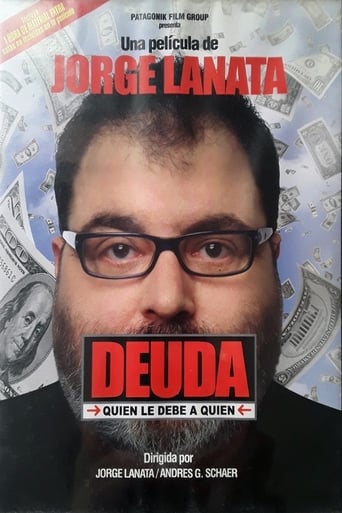
After the fall of the military dictatorship in 1983, successive democratic governments launched a series of reforms purporting to turn Argentina into the world's most liberal and prosperous economy. Less than twenty years later, the Argentinians have lost literally everything: major national companies have been sold well below value to foreign corporations; the proceeds of privatizations have been diverted into the pockets of corrupt officials; revised labour laws have taken away all rights from employees; in a country that is traditionally an important exporter of foodstuffs, malnutrition is widespread; millions of people are unemployed and sinking into poverty; and their savings have disappeared in a final banking collapse. The film highlights numerous political, financial, social and judicial aspects that mark out Argentina's road to ruin.
Documentary about the Football World Cup held in Argentina in 1978, focusing on the competition and behind the scenes of the most important soccer competition in the world. Two versions of the 1978 official film exist, the first "Copa 78 - O Poder do Futebol" was made by Brazilian directors Maurício Sherman and Victor di Mello in 1979 but was later withdrawn by FIFA because of its controversial content. The film includes an interview with Rodolfo Galimberti, one of the leaders of the Montoneros guerrilla group and also made accusations that the Argentinian competition organisation committee had deliberately hindered Brazilian chances of success by tampering with the pitch at Mar del Plata.
His teachers, coaches, childhood friends and Barça teammates, together with journalists, writers and prominent figures from the history of football, come together in a restaurant to analyze and pick apart Messi's personality both on and off the field, and to look back at some of the most significant moments in his life. Viewed from Álex de la Iglesia's unique perspective, Messi recreates the player's childhood and teenage years, from his very first steps, with a football always at his feet, through to the decision to leave Rosario for Barcelona, the separation from his family, and the role played in his career by individuals such as Ronaldinho, Rijkaard, Rexach and Guardiola.