

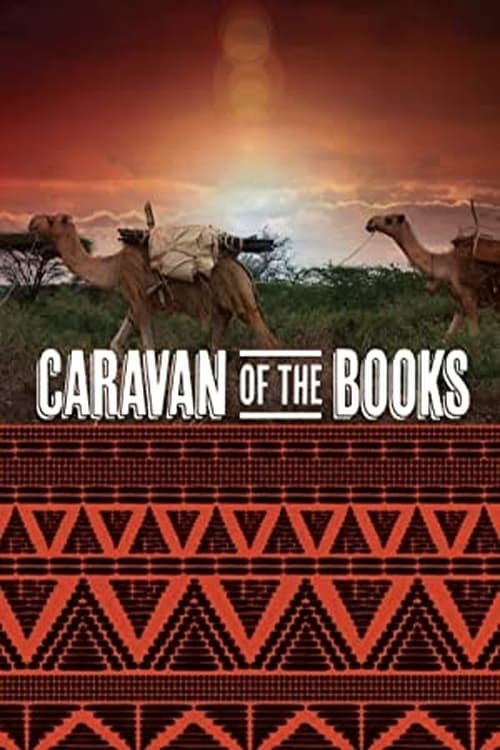
Caravan of the Books: Kenya's Mobile Camel Library
Documentary
Overview
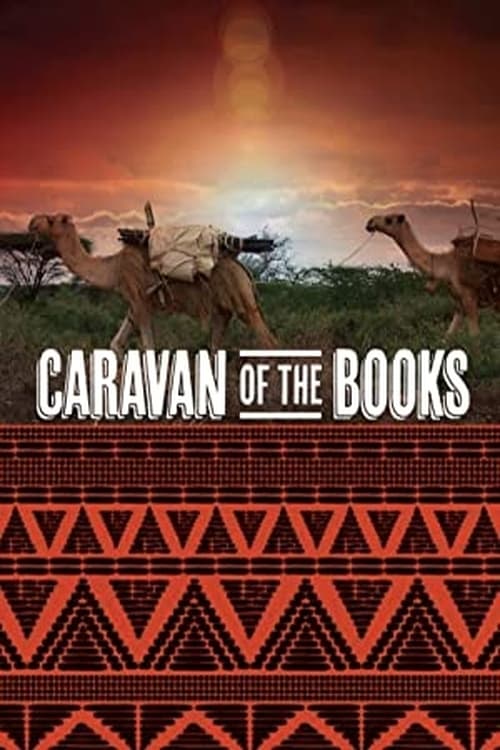
A library on four legs, the world's only existing Camel Library is located in Northern Kenya. As they pass antelopes and giraffes, the heavily loadedcaravan of camels are routinely carrying books through the rough savannah.In the villages with their houses of mud and dung these tenacious desert ships are wishfully awaited by the people of the nomadic Muslim tribes. Under the shade of acacia trees, especially the children are excitedly turning pages of school books, novels and comics. However, 400 kilometers outside of the capital city of Nairobi the local librarians are still struggling with illiteracy, old traditions, insufficient funds, blistering sun and - stubborn camels... This is the story about the Camel Library, about inquisitive children, about the origins of a book and about a camel and an exceptional librarian in the heart of Africa within the UNESCO-world decade of alphabetization.













No cast information.
Similar Movies
"Africa Light" - as white local citizens call Namibia. The name suggests romance, the beauty of nature and promises a life without any problems in a country where the difference between rich and poor could hardly be greater. Namibia does not give that impression of it. If you look at its surface it seems like Africa in its most innocent and civilized form. It is a country that is so inviting to dream by its spectacular landscape, stunning scenery and fascinating wildlife. It has a very strong tourism structure and the government gets a lot of money with its magical attraction. But despite its grandiose splendor it is an endless gray zone as well. It oscillates between tradition and modernity, between the cattle in the country and the slums in the city. It shuttles from colonial times, land property reform to minimum wage for everyone. It fluctuates between socialism and cold calculated market economy.
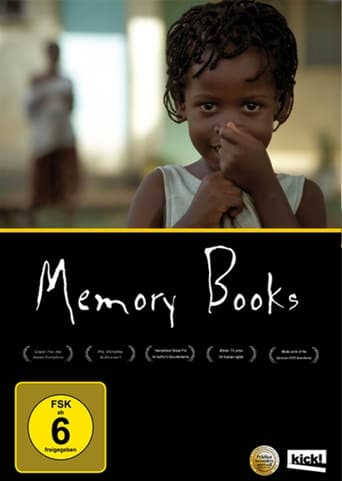
In Uganda, AIDS-infected mothers have begun writing what they call Memory Books for their children. Aware of the illness, it is a way for the family to come to terms with the inevitable death that it faces. Hopelessness and desperation are confronted through the collaborative effort of remembering and recording, a process that inspires unexpected strength and even solace in the face of death.