

Handel's Tamerlano
Music · Drama
Overview
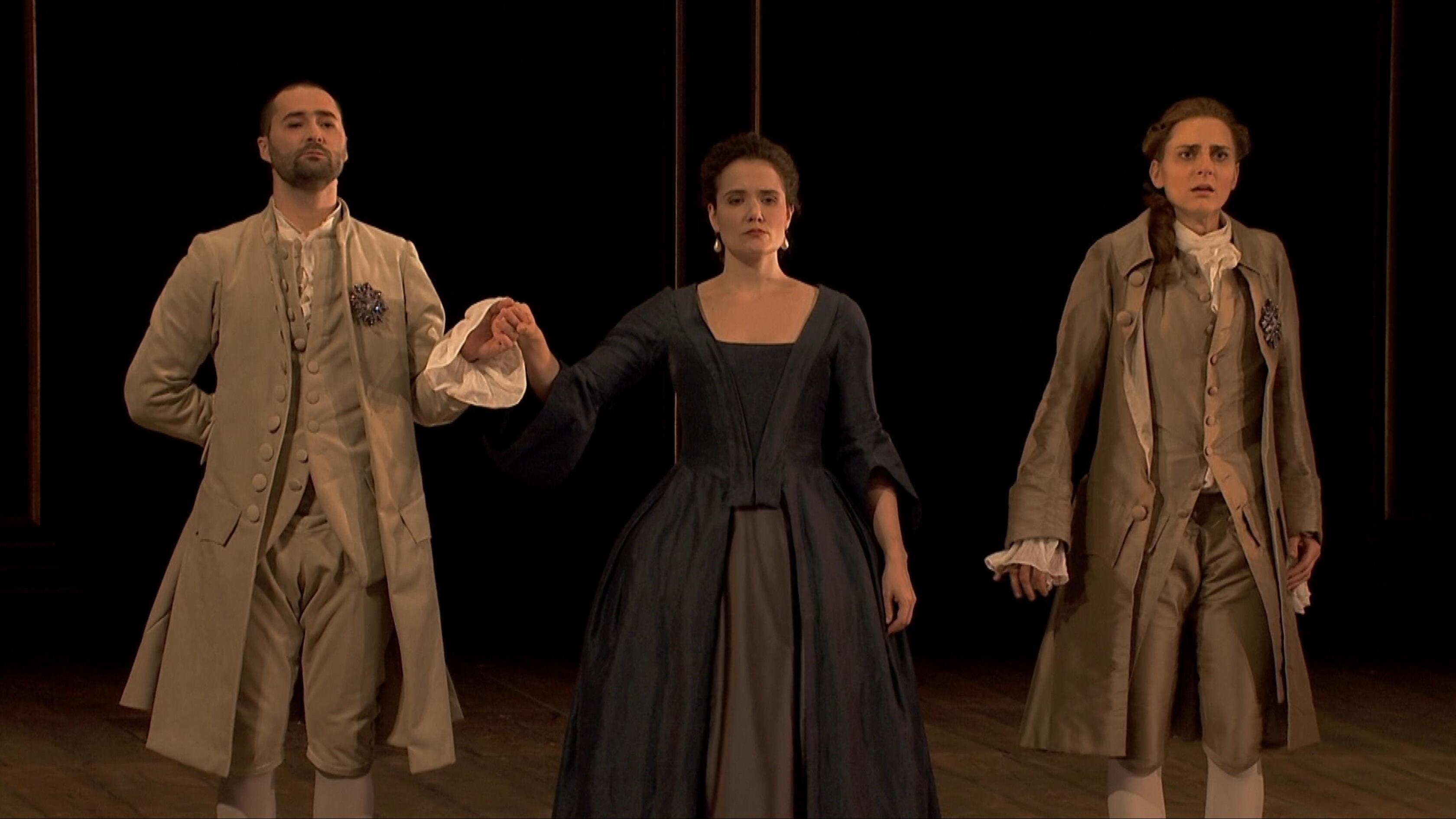
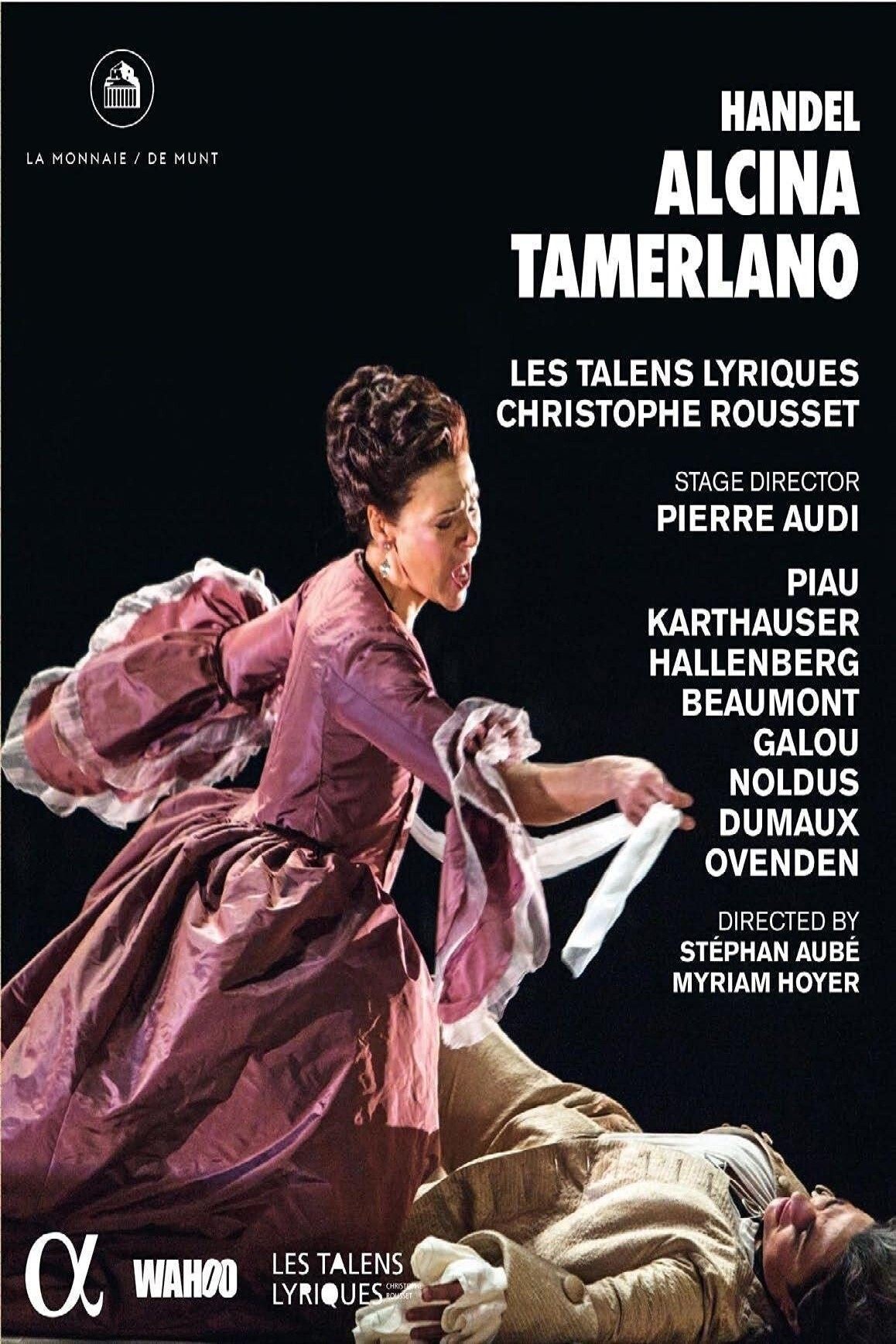
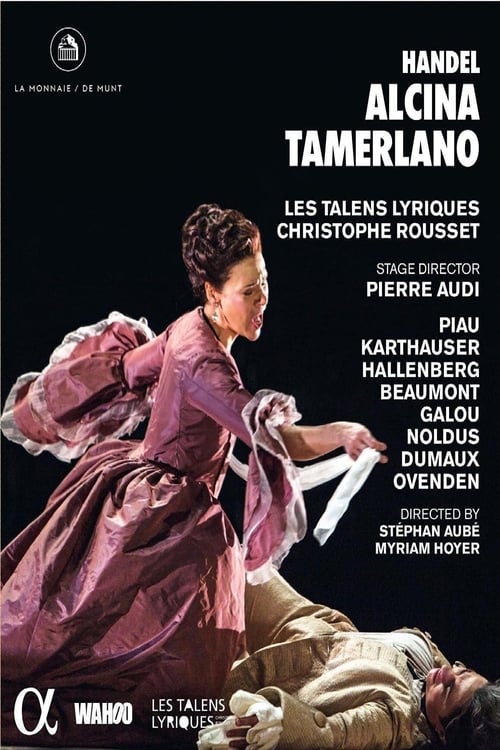
In Tamerlano, Handel defied rules both written and tacit—offering a main role to a mature tenor at a time when the castrato voice dominated; and not shying away from shocking scenes that other composers approached hesitantly, like suicide. Pierre Audi’s elegant, minimalist staging allows an all-star cast of singers to highlight the work’s many dramatic elements, proving that Baroque opera can still move and thrill us as it did 300 years ago!


![Simon Boccanegra [The Metropolitan Opera]](https://image.tmdb.org/t/p/w342/wG8lsDbBYqpj7j3rmge1aBIKDEk.jpg)


Christophe Dumaux
Christophe Dumaux
Tamerlano
Christophe Dumaux
Tamerlano
Jeremy Ovenden
Jeremy Ovenden
Bajazete
Jeremy Ovenden
Bajazete
Sophie Karthäuser
Sophie Karthäuser
Asteria
Sophie Karthäuser
Asteria
Delphine Galou
Delphine Galou
Andronico
Delphine Galou
Andronico
Ann Hallenberg
Ann Hallenberg
Irene
Ann Hallenberg
Irene
Caroline D'Haese
Caroline D'Haese
Zaida
Caroline D'Haese
Zaida
Similar Movies
"Not a documentary but the the ruins of an attempted documentary." - Grashina Gabelmann Nico’s solo concert in West Berlin 1986. She’s high, giggly, not entirely there but her voice is still haunting and raspy and her presence still the one of a star. We see short clips of an interview held the same year in a hotel – an interview Gaul found somewhere, where he can not remember. We see footage borrowed from Andy Warhol’s estate. Footage of factory parties and screen tests.
Three colours, three moods, three registers. And yet Puccini conceived this triptych as a whole from the outset. He interweaves these three one-act operas, from Il tabarro, a drama of passion set on the quays of the Seine in the early 20th century, to Gianni Schicchi, a burlesque farce set in medieval Florence, and Suor Angelica, a mystical tragedy set in a 17th-century convent.
A teenage boy and his mother are on the run. The father is violent and has a history of beating up his wife. They manage to get away from him and drive far away, until they arrive in a small town where they settle down. They rent a house from a nice man and soon they forget everything that has happened in the past, until the boy begins to have bad dreams of his father.
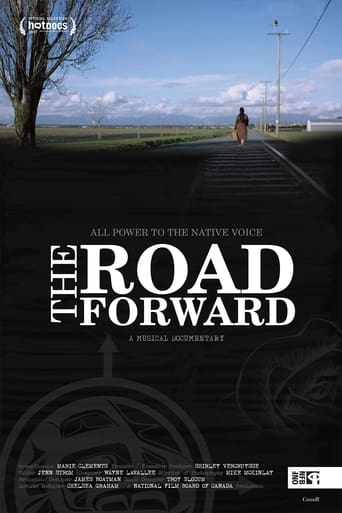
The Road Forward is an electrifying musical documentary that connects a pivotal moment in Canada’s civil rights history—the beginnings of Indian Nationalism in the 1930s—with the powerful momentum of First Nations activism today. Interviews and musical sequences describe how a tiny movement, the Native Brotherhood and Sisterhood, grew to become a successful voice for change across the country. Visually stunning, The Road Forward seamlessly connects past and present through superbly produced story-songs with soaring vocals, blues, rock, and traditional beats.
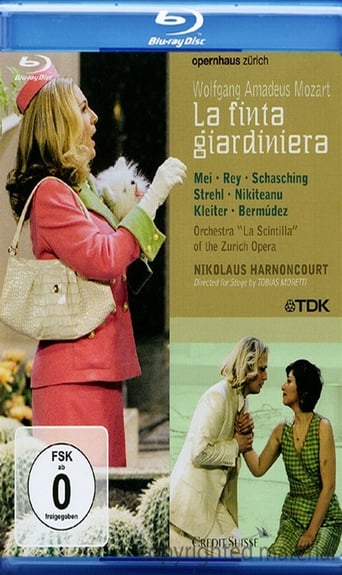
The Zurich Opera gathered a superb cast for this production: Italian soprano Eva Mei sings the Countess Violante, known as Sandrina, the feigned gardener of the title. Spanish soprano Isabel Rey is her opponent Arminda, and Arminda's former lover, the melancholy Cavaliere Ramiro, is sung by Romanian mezzo Liliana Nikiteanu. Moretti's staging presents the action in a modern villa in a hierarchical world of the rich and famous.
When this sumptuous production by Giancarlo del Monaco opened in 1995, legendary tenor Plácido Domingo gave a riveting performance as the fiery revolutionary Gabriele Adorno, a tenor part. In the 2010 revival, he made history by taking on the baritone title role, one of Verdi’s most fascinating characters, and thrilling audiences with his multifaceted and gripping portrayal. Boccanegra is beset on all sides, juggling political adversaries bent on murder with his love for his long-lost daughter Amelia (Adrianne Pieczonka). James Levine’s conducting brings out all the color and surging emotion of Verdi’s magnificent score.