

Sementes: Mulheres Pretas no Poder
Documentary
Overview
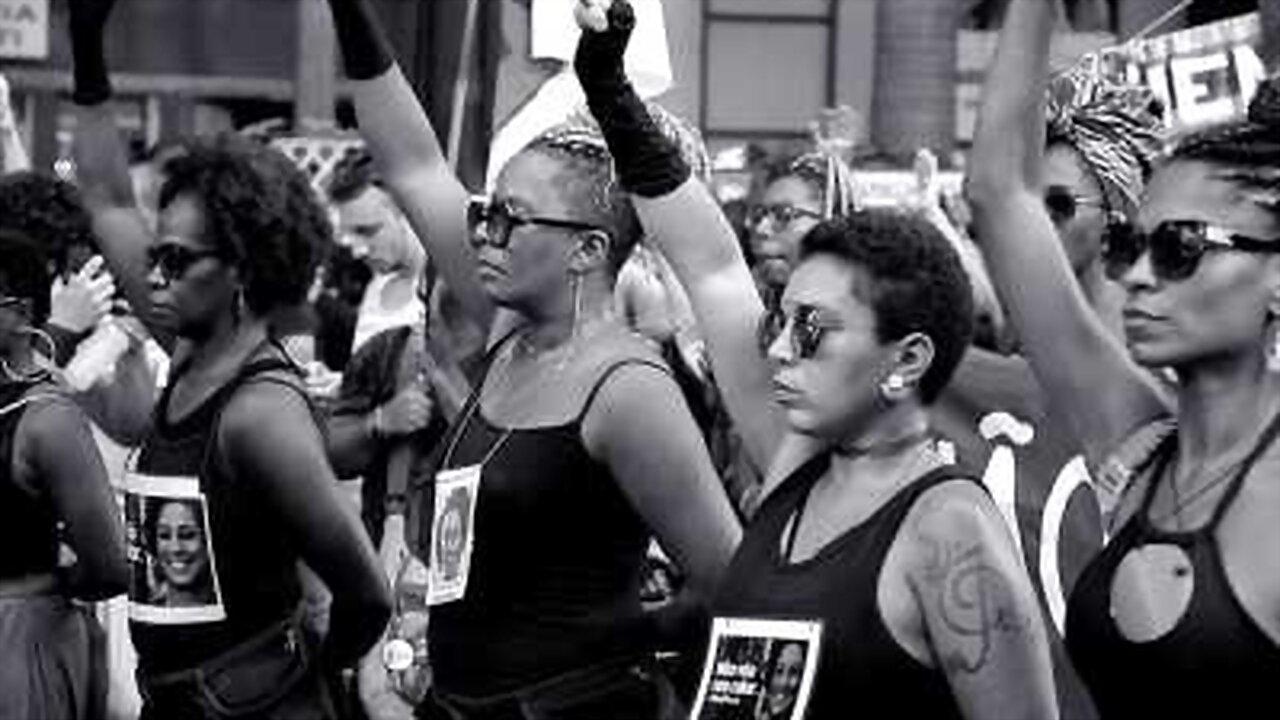
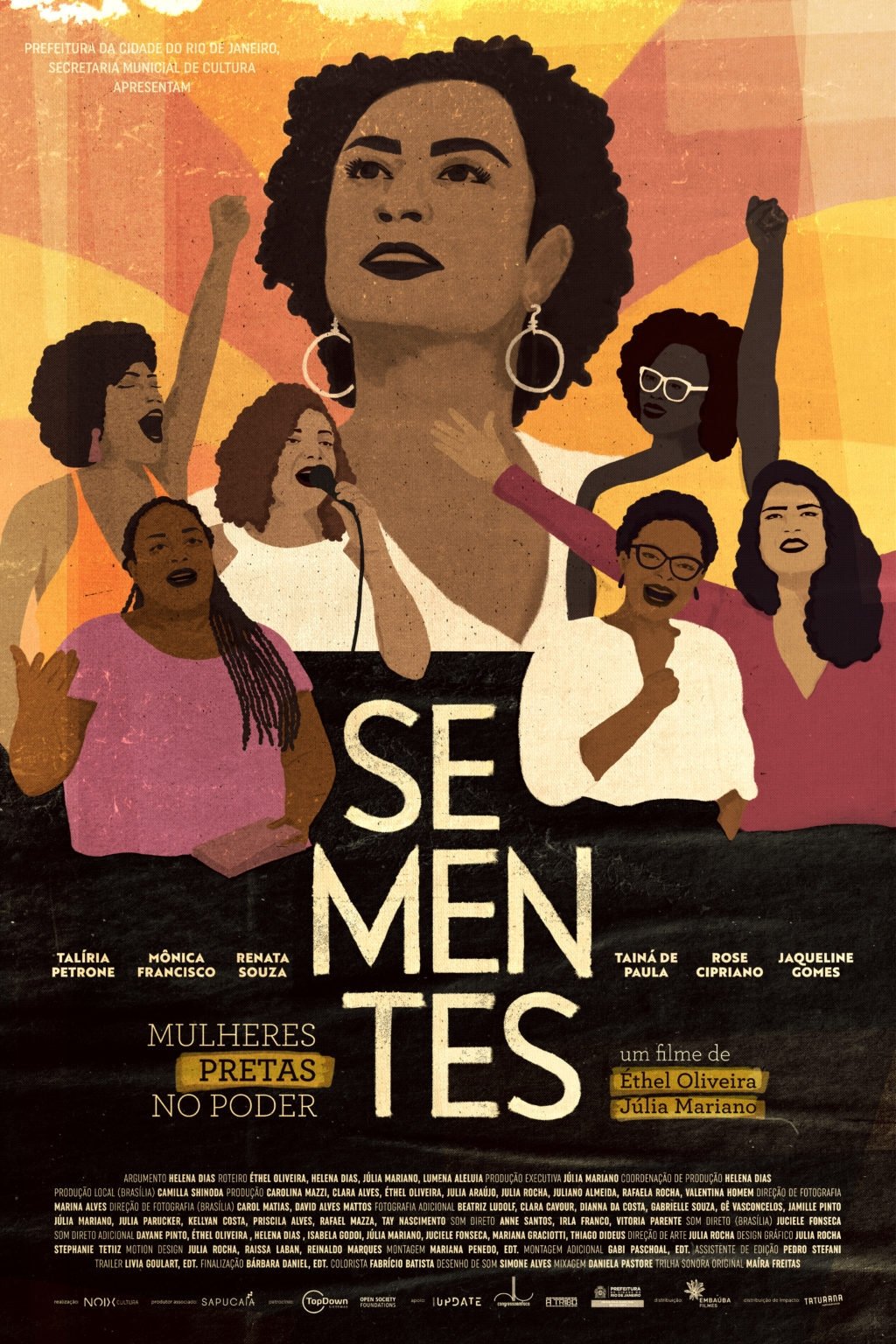
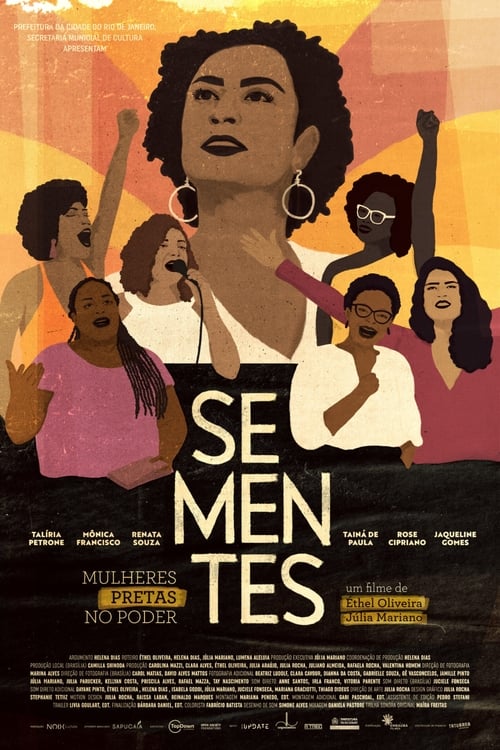
In response to Marielle Franco's execution, the 2018 elections turned into the biggest political upheaval led by black women that Brazil has ever seen, with candidacies in all states. In Rio de Janeiro, Mônica Francisco, Rose Cipriano, Renata Souza, Jaqueline de Jesus, Tainá de Paula and Talíria Petrone applied for the positions of state or federal deputy. The documentary accompanied these women in their campaigns, showing that a new way of doing politics in Brazil is possible, transforming mourning into struggle.
Top Cast


Rose Cipriano
Rose Cipriano
herself
Rose Cipriano
herself
Tainá de Paula
Tainá de Paula
herself
Tainá de Paula
herself
Mônica Francisco
Mônica Francisco
herself
Mônica Francisco
herself
Jaqueline Gomes
Jaqueline Gomes
herself
Jaqueline Gomes
herself
Talíria Petrone
Talíria Petrone
herself
Talíria Petrone
herself
Renata Souza
Renata Souza
herself
Renata Souza
herself
Similar Movies
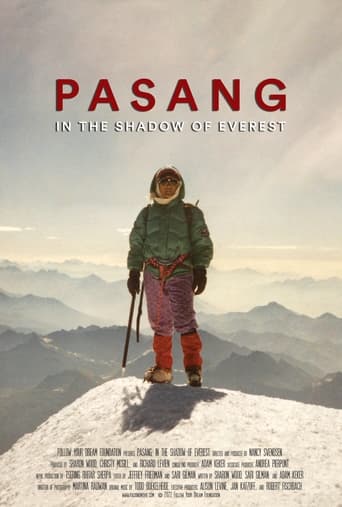
Transcending cultural barriers and consistently going against the grain, female Nepali climber Pasang Lhamu Sherpa attempted to summit Everest four times in the early nineties. Although she was not allowed to attend school as a child, Pasang did not let that stop her from pursuing her dreams. After founding her own trekking company in Kathmandu, she blazed a trail for Nepali women via her efforts to summit Everest. Proving how big you can dream and how far you can go to achieve those dreams, she left a legacy not only for the family she has left behind, but for the myriad women following in her footsteps.
The story of black and mixed race people in Nazi Germany who were sterilised, experimented upon, tortured and exterminated in the Nazi concentration camps. It also explores the history of German racism and examines the treatment of Black prisoners-of-war. The film uses interviews with survivors and their families as well as archival material to document the Black German Holocaust experience.
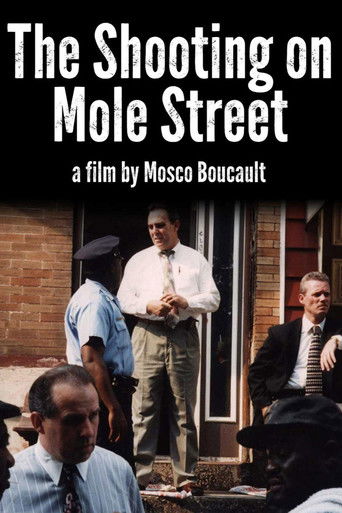
On March 1, 1996, 15-year-old Shafeeq Murrel was killed on the street in South Philadelphia — innocently caught in the crossfire between rival pairs of crack dealers out for revenge. Shafeeq’s murder was one of 435 in Philadelphia that year, and it was soon shelved as a cold case. Then, detectives David Baker and Julie Hill took it on— two middle-aged white cops working a Black neighborhood in their battered Plymouth Gran Fury. Filmed like a taut police procedural, THE SHOOTING ON MOLE STREET chronicles the investigation, as Baker and Hill knock on doors, shake down dealers, and beg, threaten and cajole residents in an effort to get someone — anyone — to talk. Baker rejects any accusation of police racism in the unsolved murders of young Black men. Isn’t he out here trying to close the case? But racism is more complicated than intent.

To produce speech, a set of mechanisms must be brought together. What is the normal articulation for speech? How to produce the sounds that make it up in the correct way? A physiological analysis of the aspects of speech shows us how: the jaw must move in a certain way; the air must be expelled from the lungs in another. Based on the concepts stated in the film "Normal Speech Articulation" (1965), produced by the University of Iowa (USA), we intend to reflect on the way women have been represented, and consequently educated, over the years, both in film and in the media. Largely composed of archival footage, this film intends to make evident, through a montage inspired by Structuralist movements, the violence of this education.
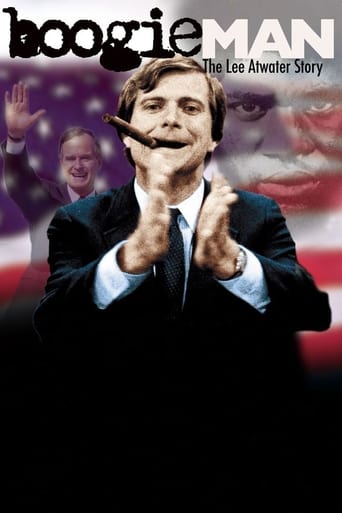
Boogie Man is a comprehensive look at political strategist, racist, and former Republican National Convention Committee chairman, Lee Atwater, who reinvigorated the Republican Party’s Southern Strategy to increase political support among white voters in the South by appealing to racism against African Americans. He mentored Karl Rove and George W. Bush and played a key role in the elections of Reagan and George H.W. Bush.
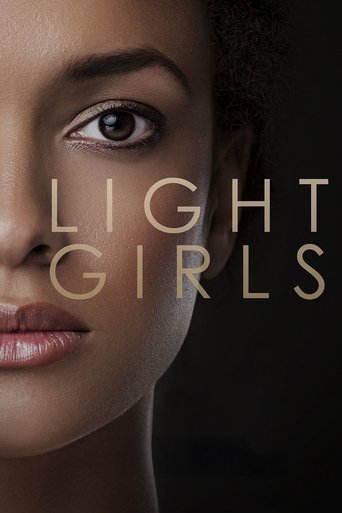
From the creator and director of the critically acclaimed documentary Dark Girls, award-winning filmmaker Bill Duke continues the conversation on colorism with Light Girls. Sharing the untold stories and experiences of lighter-skinned women, Light Girls dives deep into the discussion of skin color, preference, privilege, pain and prejudice. The documentary features interviews with Russell Simmons, Soledad O'Brien, Diahann Carroll, India Arie, Iyanla Vanzant, Michaela Angela Davis, Kym Whitley, Salli Richardson-Whitfield and more.
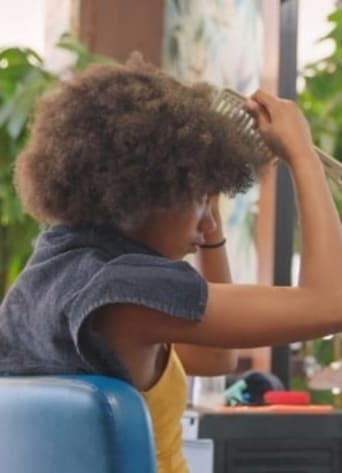
Every month, natural hair specialist Nancy Falaise closes the doors of her Montreal salon to lead a private workshop for young girls of colour struggling to love their natural hair. Step-by-step, she teaches them how to care for their respective hair textures, while also creating a safe space for them to bond over their shared experiences and forge meaningful friendships. Nancy’s Workshop is an intimate and immersive exploration of this journey. The film is an invitation to observe Nancy and the journey of these girls, and is a testament to the immeasurable value derived from strong and empowering female relationships. Produced by the Canadian Broadcast Corporation.