

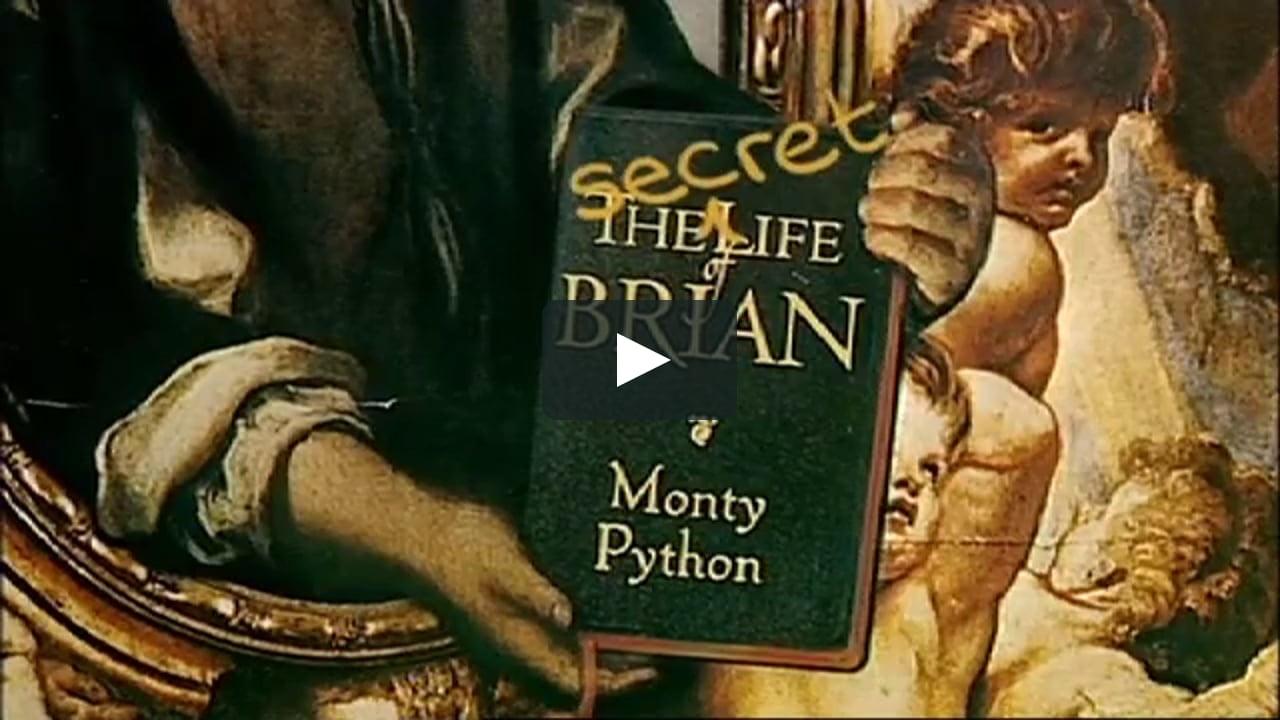
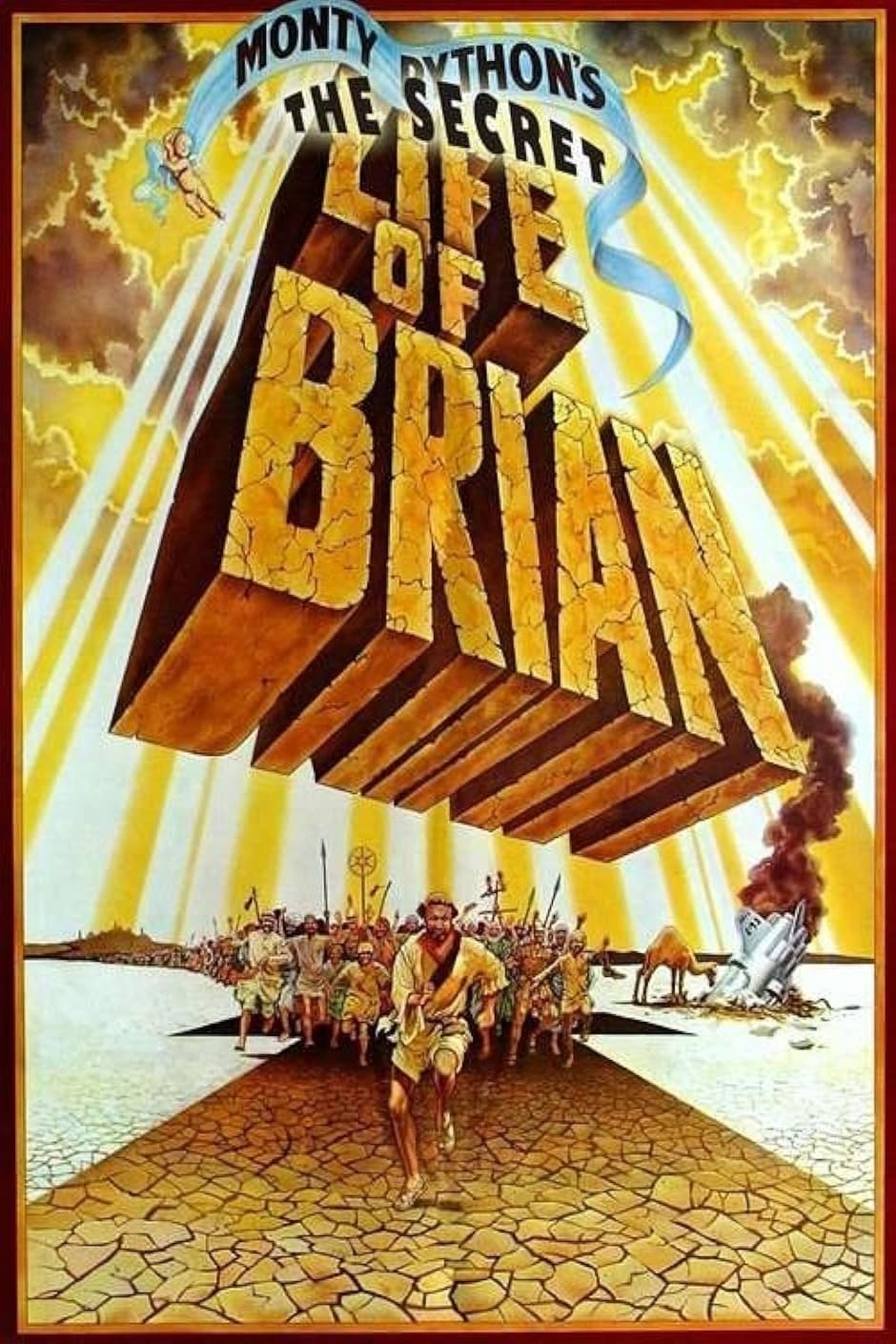
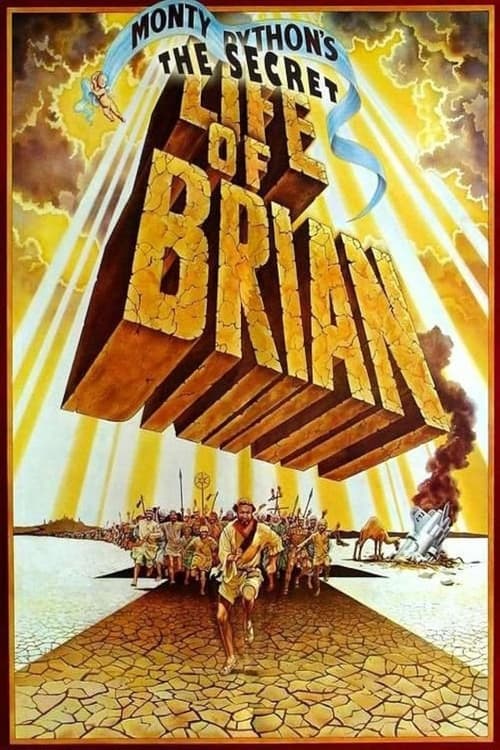
The Secret Life of Brian
Documentary
Overview
A documentary about the making of the controversial Life of Brian and the surrounding accusations of blasphemy.









Terry Gilliam
Terry Gilliam
Self
Terry Gilliam
Self

John Cleese
John Cleese
Self
John Cleese
Self

Eric Idle
Eric Idle
Self
Eric Idle
Self

Terry Jones
Terry Jones
Self
Terry Jones
Self

Michael Palin
Michael Palin
Self
Michael Palin
Self

Graham Chapman
Graham Chapman
Self / Brian (archive footage) (uncredited)
Graham Chapman
Self / Brian (archive footage) (uncredited)
Similar Movies
This short focuses on the job of the costume designer in the production of motion pictures. The costume designer must design clothing that is correct for the film historically and geographically, and must be appropriate for the mood of the individual scene. We see famed costume designer Edith Head at work on a production. The Costume Designer was part of The Industry Film Project, a twelve-part series produced by the film studios and the Academy. Each series episode was produced to inform the public on a specific facet of the motion picture industry. Preserved by the Academy Film Archive in 2012.
Rare documents and details of the film's story. From its initial option to its critical reception and legacy. Director David Weisman, who also produced "Kiss of the Spider Woman", comes off as rightful creative force behind the production, as it was his true passion. Very detailed comments from all the participants, from the author of the book to the lawyer for the production company, the actors, director, writers, producer, and crew members.
In one of those wonderful coincidences of history, lumière, the French word for “light,” was also the last name of brothers Auguste and Louis, whose brilliant invention, the cinematograph, helped to inaugurate the most beloved art form of the last 130 years. Institute Lumière director Thierry Frémaux uses Lumière, Le Cinema! to guide the viewer through over a hundred shorts—some famous, some forgotten, some never before seen—directed by Lumière and company. In the process, Frémaux illuminates how the brothers employed the camera as a creative instrument as they (and their operators) mastered framing, staging, and subject selection for quotidian and exotic microdocumentaries as well as the first ever fictional motion pictures. The result is not only a glorious re(telling) of the genesis of cinema but a profound meditation on the beautiful world captured—and the mysterious world imagined—by the Lumières.