

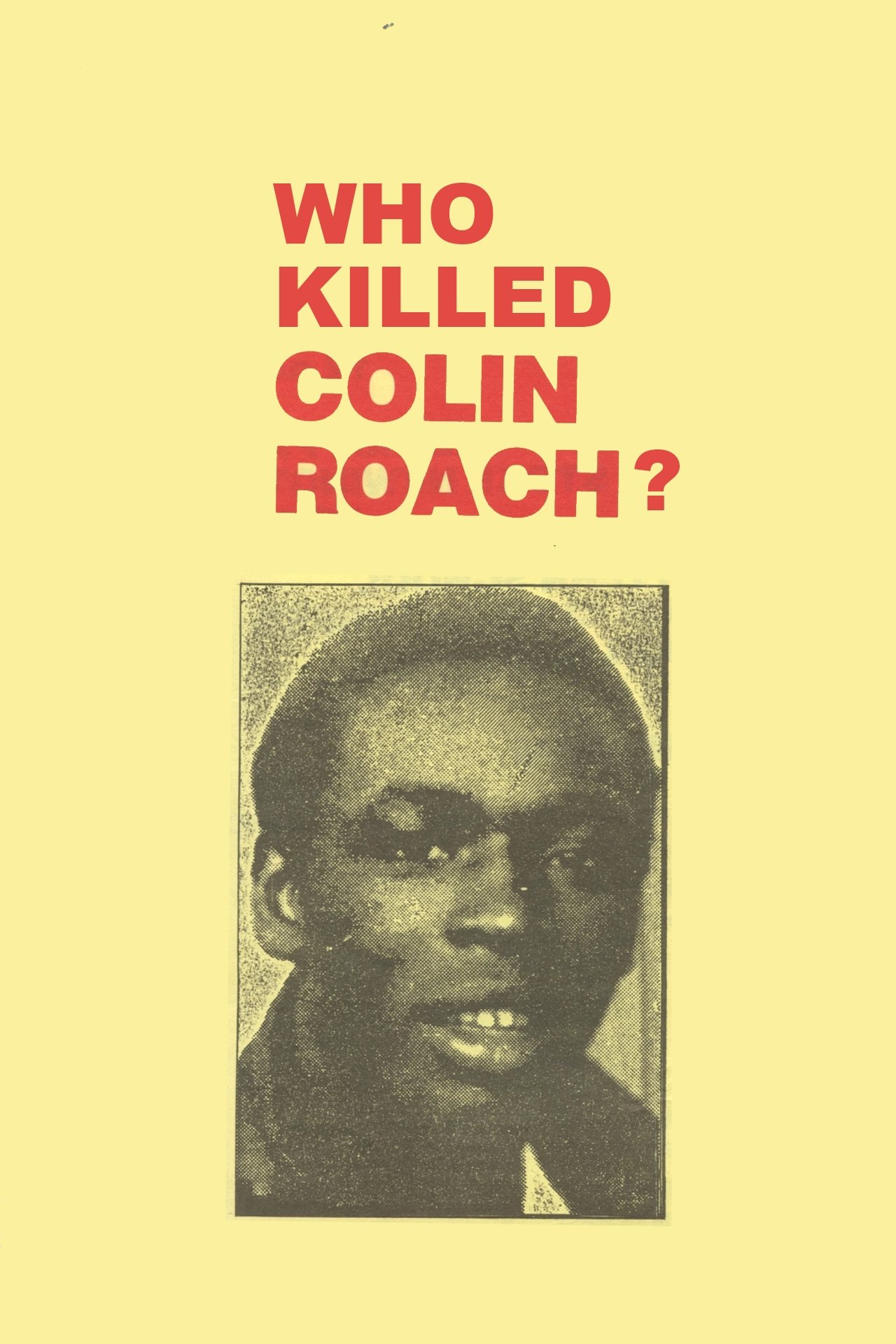
Who Killed Colin Roach?
Documentary
Overview
Who Killed Colin Roach? is Isaac Julien's first film, which reflects upon the death of Colin Roach, a 23 year old who was shot at the entrance of a police station in East London, in 1982. Even though the police claimed Roach had commited suicide, evidence showed otherwise. Isaac Julien says that this work is essentially a response to the riots, an answer to certain fixed ways of looking at black cultures, but also at those ways we might feel about ourselves.
Top Cast



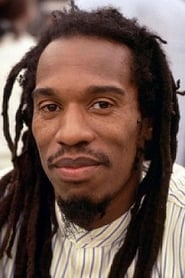
Benjamin Zephaniah
Benjamin Zephaniah
Benjamin Zephaniah
Similar Movies
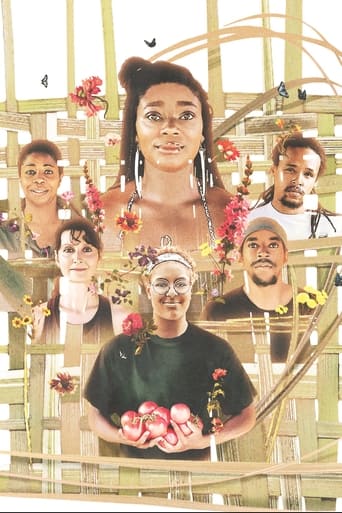
From the Black Earth is a collaboration between Bristol based company Cables and Cameras, and a local farmer Humphrey Lloyd. Employing both lucid speakers and poetic camera work, the film poses stark questions such as; why does food poverty exist in a nation of plenty, and why are people of colour so under represented not only in our countryside and farms, but in the environmental movement more broadly? By giving a platform to people of colour who are connecting with nature and working the land, this short documentary starts to unpick these questions...
An examination of the Black Power movement in the late 1960s in the UK, surveying both the individuals and the cultural forces that defined the era. At the heart of the documentary is a series of astonishing interviews with past activists, many of whom are speaking for the first time about what it was really like to be involved in the British Black Power movement, bringing to life one of the key cultural revolutions in the history of the nation.
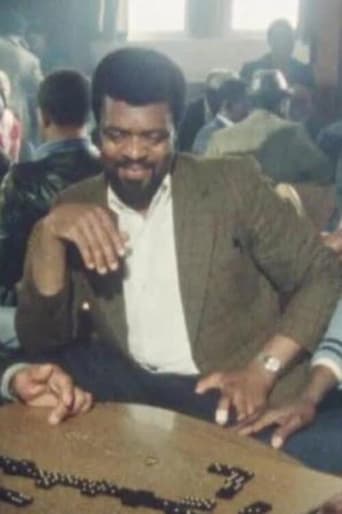
Documentary film (part of the series "Whose Town is it Anyway?") about the London Borough of Brent after the riots of the early 1980s, focusing on issues affecting the black and Asian communities in areas like crime, funding for local services and community projects. Includes interviews with local residents and counsellors.
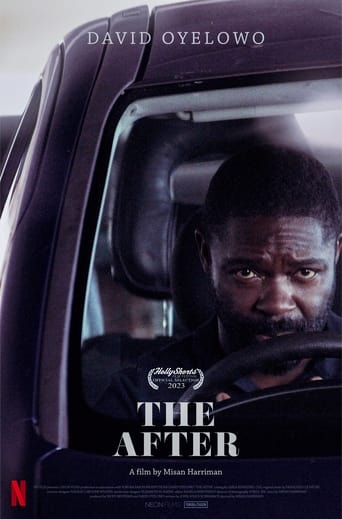
A celebration of home and belonging in South London. This is a film that tows the line between documentary and narrative, and celebrates neighborhood and the rhythms of everyday life in South London. Friends for over a decade, their closeness runs through the piece; rooted in lived relationships, it resists spectacle in favor of quiet intimacy.