

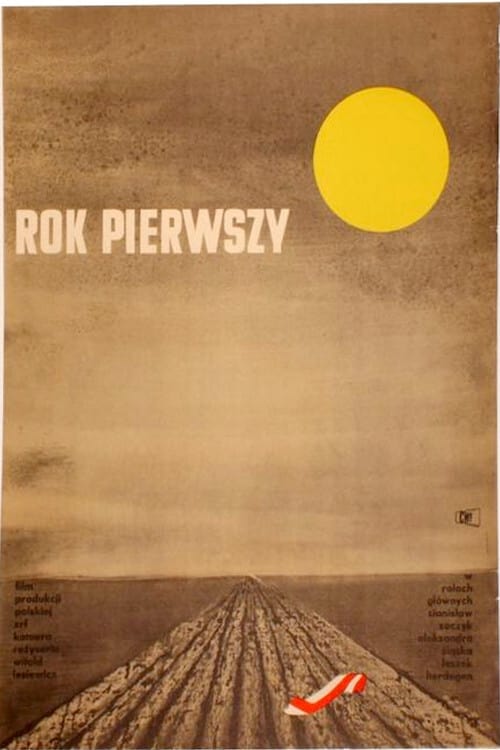
Rok pierwszy
War
Overview
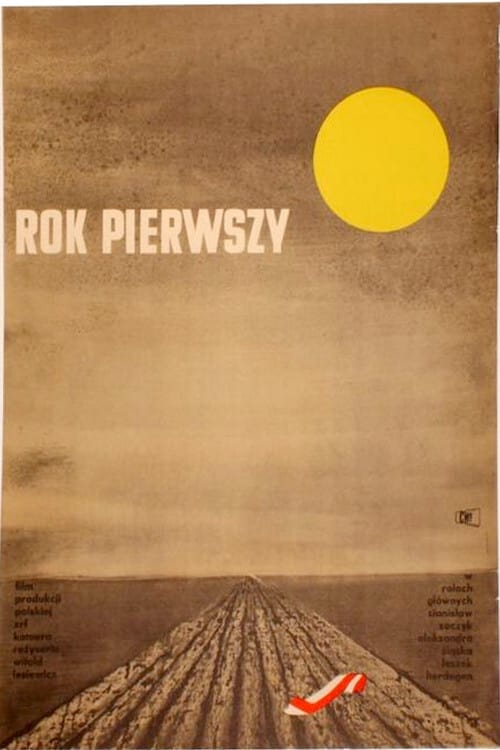
1944. Communist militiaman take a post in a little town in the east of Poland. He has to stand against his own men that are not happy with new authorities.
Top Cast
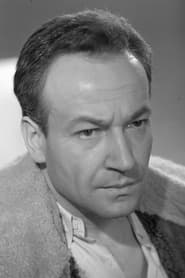
Stanisław Zaczyk
Otryna
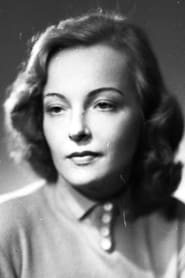
Aleksandra Śląska
Teacher
Maria Bednarska
Gęślicka
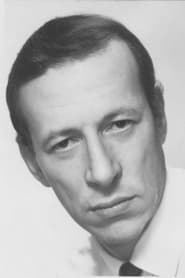
Leszek Herdegen
Dunajec
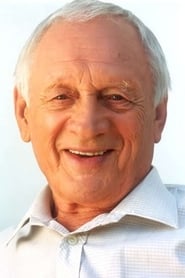
Witold Pyrkosz
Migułko
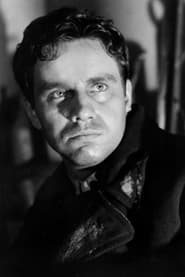
Stanisław Wyszyński
Patka

Henryk Bąk
Tatarczuk
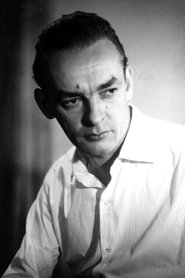
August Kowalczyk
UB Officer
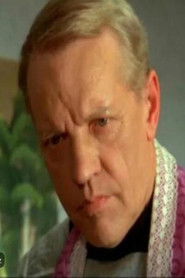
Andrzej Krasicki
UB Officer's Driver
Zdzisław Kuźniar
Zwoleń
Kazimierz Meres
Captain Zbaraż
Zdzisław Mrożewski
Heir of Wołoka


Stanisław Zaczyk
Stanisław Zaczyk
Otryna
Stanisław Zaczyk
Otryna
Aleksandra Śląska
Aleksandra Śląska
Teacher
Aleksandra Śląska
Teacher
Maria Bednarska
Maria Bednarska
Gęślicka
Maria Bednarska
Gęślicka
Leszek Herdegen
Leszek Herdegen
Dunajec
Leszek Herdegen
Dunajec
Witold Pyrkosz
Witold Pyrkosz
Migułko
Witold Pyrkosz
Migułko
Stanisław Wyszyński
Stanisław Wyszyński
Patka
Stanisław Wyszyński
Patka
Henryk Bąk
Henryk Bąk
Tatarczuk
Henryk Bąk
Tatarczuk
August Kowalczyk
August Kowalczyk
UB Officer
August Kowalczyk
UB Officer
Andrzej Krasicki
Andrzej Krasicki
UB Officer's Driver
Andrzej Krasicki
UB Officer's Driver
Zdzisław Kuźniar
Zdzisław Kuźniar
Zwoleń
Zdzisław Kuźniar
Zwoleń
Similar Movies
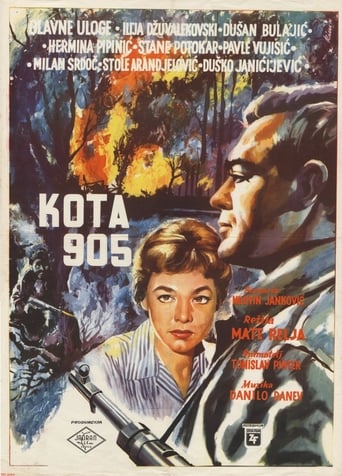
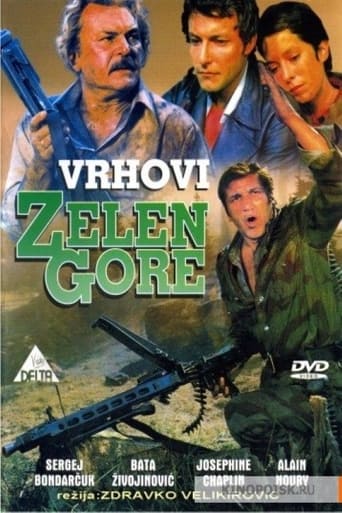
After the war, a Yugoslav army captain, Vladimir, is in charge of suppressing armed supporters of the former king's regime, led by major Momir. After Vladimir's best friend is killed, he joins the rebels pretending to be one of the king's supporters. However, one of Momir's supporters, a man who harbors rebels, has an attractive daughter who is engaged to marry Momir. She knows that Vladimir is an officer of the Yugoslav army, because she has seen him wearing a Yugoslav uniform. Vladimir fears that she might betray him.
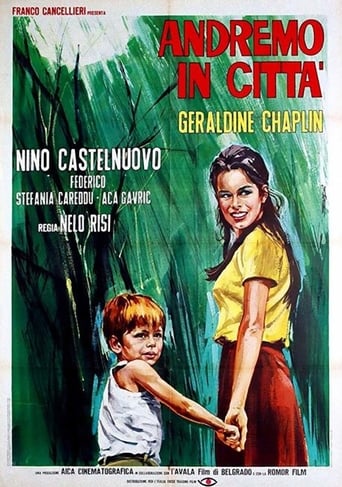
"Andremo in città" (We'll Go to the City) is a 1966 Italian drama film directed by Nelo Risi. It is based on the novel of the same name by Edith Bruck, Risi's wife. Bruck, a Hungarian concentration camp-survivor, settled in Italy after the Second World War and wrote about her experiences in autobiographical and fictional formats.[1] The film stars Geraldine Chaplin and Nino Castelnuovo.

Communist party commissar Ivica is sent to the lowland village to monitor the local partisan squad. Despite their disagreements he befriends their leader Dikan and they plan to evacuate the chief headquarters. Dikan also sees the opportunity to have his personal revenge on an enemy officer, responsible for death of one of his men.