

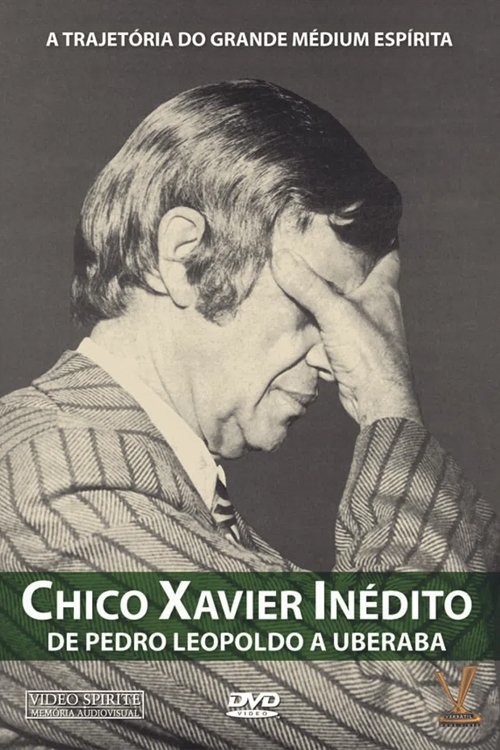
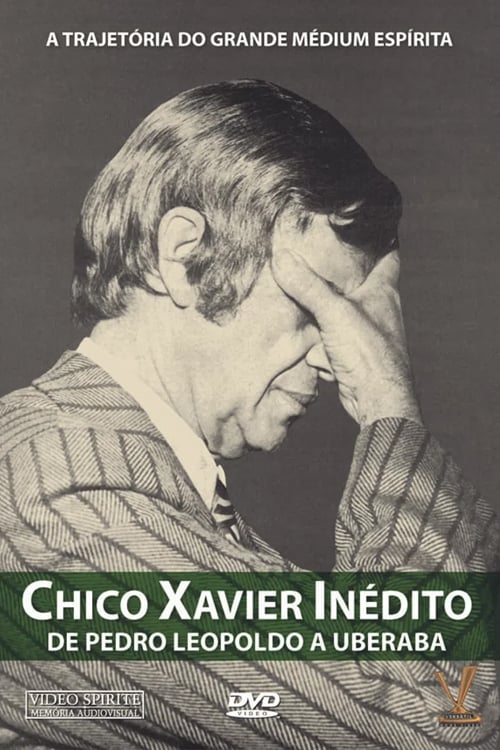
Chico Xavier - From Pedro Leopoldo to Uberaba
Documentary
Overview
Four movies about the Brazilian spiritist medium, Chico Xavier (1910-2002): "The Medium Emmanuel" (1951), "A Light Shines in the Horizon" (1955), "Chico Xavier - From Pedro Leopoldo to Uberaba" (1983) and "The Great Spiritist Medium" (2007). Be moved by the greatness and humility of the medium of Emmanuel, Andé Luiz, Humberto de Campos and other Spirits, psychographing at the Luiz Gonzaga Spiritist Center or working as a writer at the Fazenda Modelo in Pedro Leopoldo (MG), in Brazil.
Top Cast





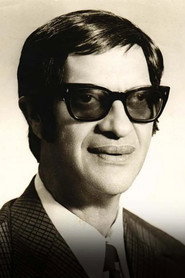
Chico Xavier
Chico Xavier
Chico Xavier
Chico Xavier
Chico Xavier
Similar Movies
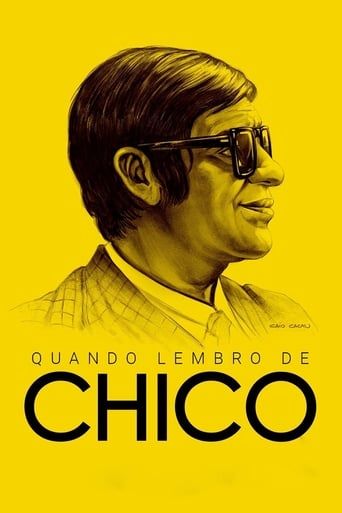
Chico Xavier is the man of the future! More than a historical record of the intimacy of the man the was elected The Greatest Brazilian of All Time, Pozati Films presents in this documentary the person of Chico Xavier as a viable example for all the beings that will share the World of Regeneration. Looking back, with friends of his intimacy, this film takes its audience around the world to look forward, discovering its leading role in building the new era. When I Remember Chico it is a great audiovisual testament, not only of the examples of love and brotherhood left by Chico, but also of the fruits of the seeds spread by him in the hearts of some of his closest friends.
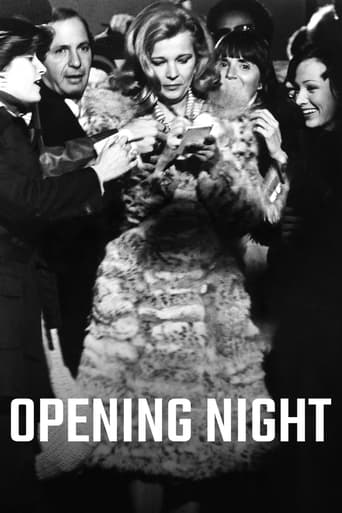
Actress Myrtle Gordon is a functioning alcoholic who is a few days from the opening night of her latest play, concerning a woman distraught about aging. One night a car kills one of Myrtle's fans who is chasing her limousine in an attempt to get the star's attention. Myrtle internalizes the accident and goes on a spiritual quest, but fails to finds the answers she is after. As opening night inches closer and closer, fragile Myrtle must find a way to make the show go on.

Three mothers see their reality become completely, they are: Ruth, whose teenage son, Raul, faces problems with drugs; Elisa, trying to make up for the absence of her husband giving full attention to the child, the little Theo, and Lara, teacher who faces the dilemma of an unplanned pregnancy. These three women, living in different times of their lives, seeking comfort next to Chico Xavier. And Karl reporter remains insisting on interviewing the medium, even without being prepared for it.

Spiritual medium Openshaw is so removed from real life that he confuses a military alarm with a signal from the other world. Father Brown returns the professor to reality and the problems of modern life. Based on the "The Blast of the Book" short story from "The Scandal of Father Brown" stories collection, written in 1935 by Gilbert K. Chesterton.
Study of the relationship between observer and landscape in the contemplative experience. The view building the landscape from the necessary distance. The delimitation of its borders against the total continuum of nature. The observer immersed in the path of his gaze across the landscape. Resting the gaze in the details that make the globallity. The view selecting the space included as a landscape.
A documentary portrait of Tiit Pääsuke, the most prominent painter in contemporary Estonia. Artist per excellence, creator of the imaginary picture-landscapes, a charming person, adorer of the woman’s beauty, gentleman and a colonel in local whisky club - Tallinn Uisge Beatha Club. “When painting, I compose the details of my pictures, my human models not as traditional painter, but more like film or theatre director works with actors, my compositions are as performances, theatrical happenings”. - Tiit Pääsuke

In 1931 the rains stopped and the "black blizzards" began. Powerful dust storms carrying millions of tons of stinging, blinding black dirt swept across the Southern Plains — the panhandles of Texas and Oklahoma, western Kansas, and the eastern portions of Colorado and New Mexico. Topsoil that had taken a thousand years per inch to build suddenly blew away in only minutes. One journalist traveling through the devastated region dubbed it the "Dust Bowl." This American Experience film presents the remarkable story of the determined people who clung to their homes and way of life, enduring drought, dust, disease — even death — for nearly a decade. Less well-known than those who sought refuge in California, typified by the Joad family in John Steinbeck's "The Grapes of Wrath," the Dust Bowlers who stayed overcame an almost unbelievable series of calamities and disasters.