

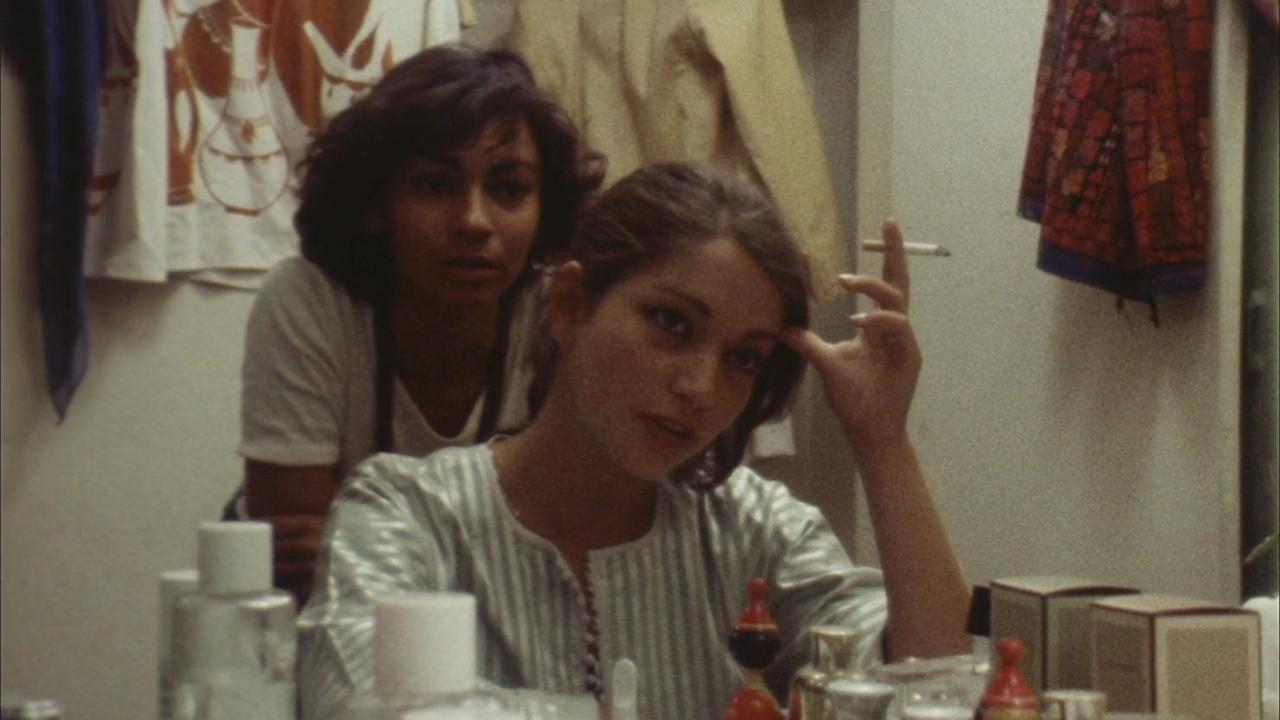

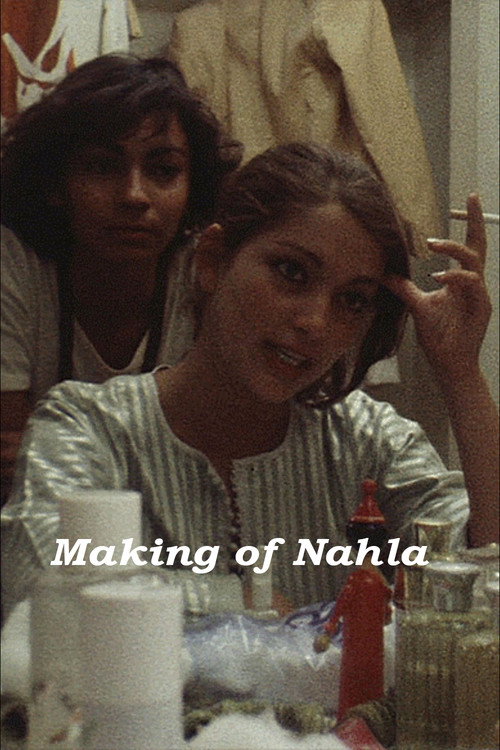
Making of Nahla
Documentary
Overview
Jocelyne Saab, a young Lebanese journalist and director, interviews the director and the film crew while filming Nahla in Beirut.



Yasmine Khlat
Yasmine Khlat
Self
Yasmine Khlat
Self
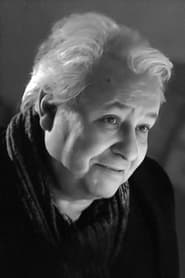
Farouk Beloufa
Farouk Beloufa
Self
Farouk Beloufa
Self
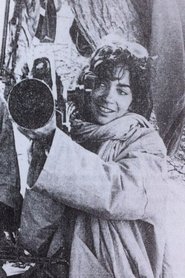
Jocelyne Saab
Jocelyne Saab
Self
Jocelyne Saab
Self
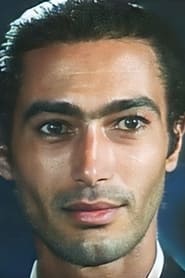
Ahmed Mehrez
Ahmed Mehrez
Self
Ahmed Mehrez
Self
Lina Tebbara
Lina Tebbara
Self
Lina Tebbara
Self
Yousef Saiah
Yousef Saiah
Self
Yousef Saiah
Self

Kamel Mekesser
Kamel Mekesser
Self
Kamel Mekesser
Self
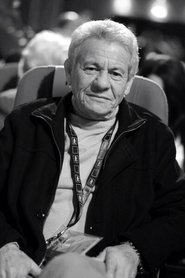
Allel Yahiaoui
Allel Yahiaoui
Self
Allel Yahiaoui
Self
Ali Raad
Ali Raad
Self
Ali Raad
Self
Similar Movies
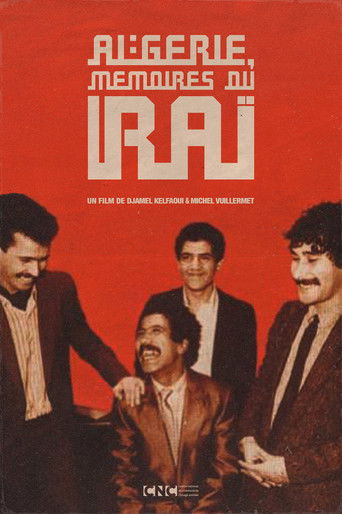
In the 1980s, Algeria experienced a tumultuous social context which reached its peak during the riots of October 88. This wave of protest, with youth as its figurehead, echoed the texts of raï singers. Thirst for freedom, misery of life and the aspirations of youth are among the main themes of their works which will inspire an entire generation. More than music, raï celebrates the Arabic language and becomes a vector of Algerian culture, thus providing the cultural weapons of emerging Algerian nationalism With Cheb Khaled, Cheb Mami and Chaba Fadela as leaders of the movement, raï is also a way of telling and reflecting the essence of Algeria in these difficult times. While the threat weighs on artists in Algeria, their exile allows raï to be exported internationally and thus, to bring the colors of Algeria to life throughout the world.
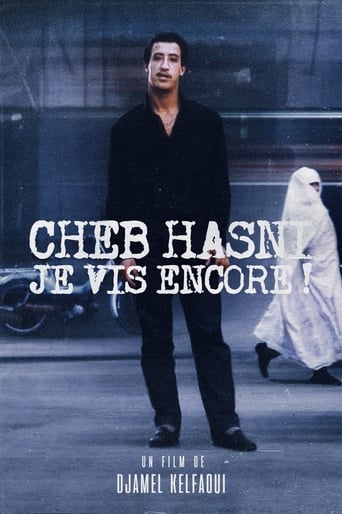
Director Djamel Kelfaoui pays tribute to the great singer Cheb Hasni, king of sentimental raï, who became cult in Algeria and beyond its borders, and who was murdered in the street in September 1994 in Oran, at the age of 26. Unique and last interview filmed a few months before the assassination of the singer considered the king of “raï love” or “sentimental song”. Cheb Hasni had recorded more than 150 cassettes during his career. His memory remains very alive in the Maghreb and Arab world and its diaspora throughout the world. A transgenerational icon, he will be posthumously decorated with the National Merit medal at the rank of Achir.
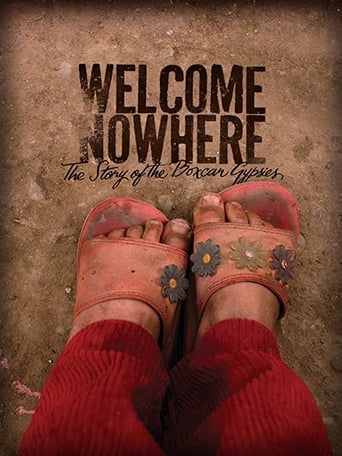
Narrated by Ethan Hawke, Welcome Nowhere tells the true story of a community of Roma people (commonly known as Gypsies) who live in old train boxcars in Sofia, Bulgaria after being forcibly evicted from their homes. Without bathrooms for more than 200 people, they struggle to survive, waiting for help from the government that never seems to come.
In 1967 Canadian filmmaker Hugh O'Connor came with a crew to eastern Kentucky to make a film showing people from all walks of life in the United States. They finished the day by filming coal miners and their families in rental houses. As the filmmakers were leaving, Hobart Ison, the owner of the property, drove up and fired three shots, killing Hugh O'Connor. Elizabeth Barrett, from Kentucky herself, explores why this happened by trying to understand the people and culture of eastern Kentucky.
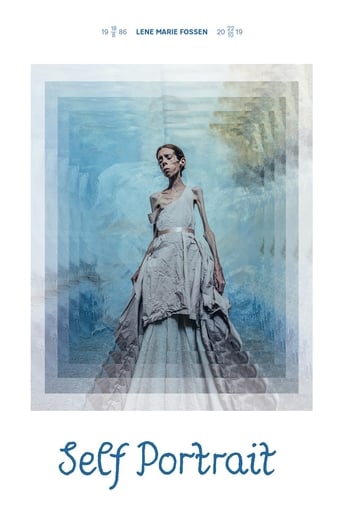
The documentary is a portrait of an artist and a portrait of a deadly disease. Lene Marie Fossen was a gifted photographer who suffered from severe anorexia. Self Portrait is a film about the power of art and survival, but it also raises important questions about what treatment one who suffers from severe anorexia needs.