


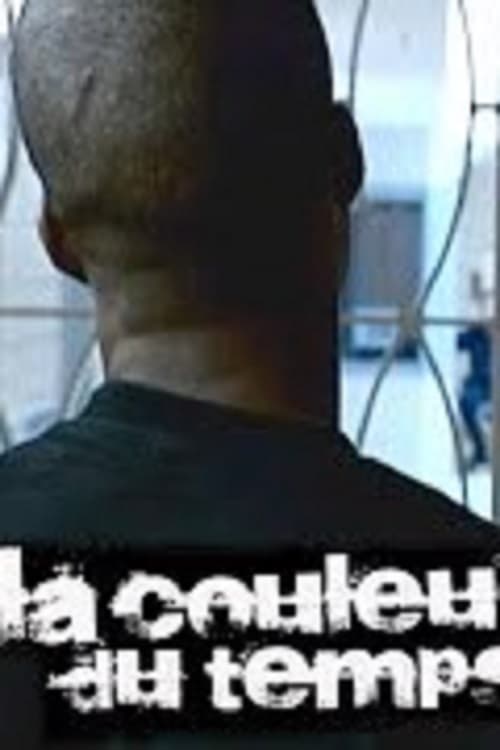
La couleur du temps
Documentary
Top Cast
Ronald Boisrond
Himself - Journalist & Screenwriter
Kelly Bellony
Himself - Henri-Bourassa Polyvalente Principal
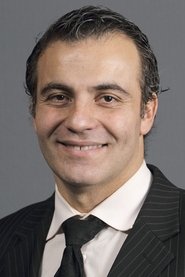
Fady Dagher
Himself - PDQ 30 Commander
Emerson Douyon
Himself - Psychologist-Criminologist, Human Rights Commissioner
Kasheem
Himself - Rapper
Léonel Bernard
Himself - Researcher, Sociologist
Paul Evra
Himself
Christopher McAll
Himself
Maguy Métellus
Herself
Jean-François Harrisson
Narrator (voice)


Ronald Boisrond
Ronald Boisrond
Himself - Journalist & Screenwriter
Ronald Boisrond
Himself - Journalist & Screenwriter
Kelly Bellony
Kelly Bellony
Himself - Henri-Bourassa Polyvalente Principal
Kelly Bellony
Himself - Henri-Bourassa Polyvalente Principal
Fady Dagher
Fady Dagher
Himself - PDQ 30 Commander
Fady Dagher
Himself - PDQ 30 Commander
Emerson Douyon
Emerson Douyon
Himself - Psychologist-Criminologist, Human Rights Commissioner
Emerson Douyon
Himself - Psychologist-Criminologist, Human Rights Commissioner
Kasheem
Kasheem
Himself - Rapper
Kasheem
Himself - Rapper
Léonel Bernard
Léonel Bernard
Himself - Researcher, Sociologist
Léonel Bernard
Himself - Researcher, Sociologist
Paul Evra
Paul Evra
Himself
Paul Evra
Himself
Christopher McAll
Christopher McAll
Himself
Christopher McAll
Himself
Maguy Métellus
Maguy Métellus
Herself
Maguy Métellus
Herself
Jean-François Harrisson
Jean-François Harrisson
Narrator (voice)
Jean-François Harrisson
Narrator (voice)
Similar Movies
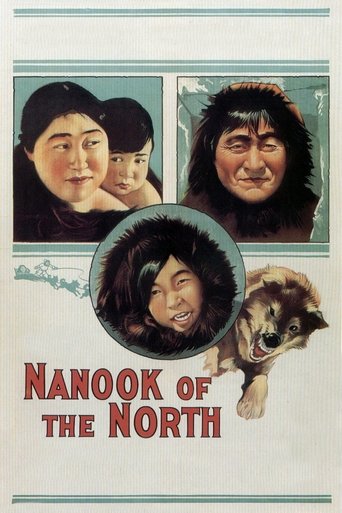
This pioneering documentary film depicts the lives of the indigenous Inuit people of Canada's northern Quebec region. Although the production contains some fictional elements, it vividly shows how its resourceful subjects survive in such a harsh climate, revealing how they construct their igloo homes and find food by hunting and fishing. The film also captures the beautiful, if unforgiving, frozen landscape of the Great White North, far removed from conventional civilization.
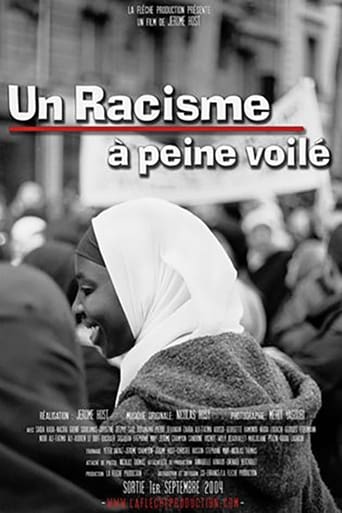
October 2003, Alma and Lila Levy are excluded from the Lycée Henri Wallon in Aubervilliers solely because they were wearing a headscarf. What follows is a deafening political and media debate, justifying in most cases the exclusion of girls wearing head-scarves to school. February 2004, a law was eventually passed by the National Assembly. "A thinly veiled racism" is about this controversy since the affair of Creil in 1989 (where two schoolgirls were excluded for the same reasons) and attempts to "reveal" that maybe what hides behind is the desire to exclude these girls. This film gives them a voice as well as others - teachers, community activists, feminists, researchers - gathered around the group "A School for You-All" fighting for the repeal of this law they consider sexist and racist ... This movie was censured in Septembre 2004 in France.
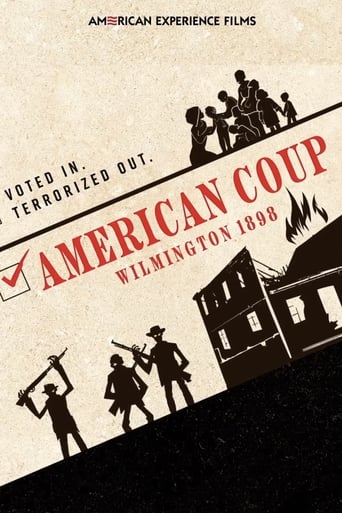
The little-known story of a deadly race massacre and carefully orchestrated insurrection in North Carolina’s largest city in 1898 — the only coup d’état in the history of the US. Stoking fears of 'Negro Rule', self-described white supremacists used intimidation and violence to destroy Black political and economic power and overthrow Wilmington’s democratically-elected, multi-racial government. Black residents were murdered and thousands were banished. The story of what happened in Wilmington was suppressed for decades until descendants and scholars began to investigate. Today, many of those descendants — Black and white — seek the truth about this intentionally buried history.

Pop star Leigh-Anne Pinnock confronts her experience as the only black member of Little Mix, and as a black woman in the music industry. She embarks on her own very personal journey to understand how she can use her platform and privilege to combat the profound racism she sees in society around her.
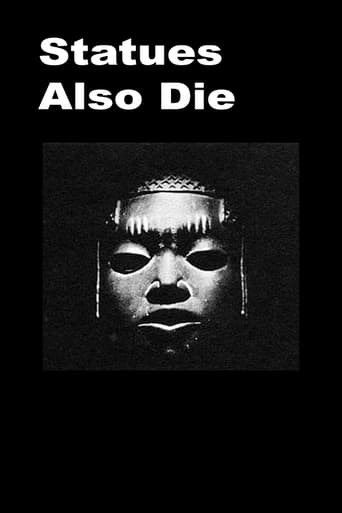
Commissioned by the journal Présence Africaine, this short documentary examines how African art is devalued and alienated through colonial and museum contexts. Beginning with the question of why African works are confined to ethnographic displays while Greek or Egyptian art is celebrated, the film became a landmark of anti-colonial cinema and was banned in France for eight years.