

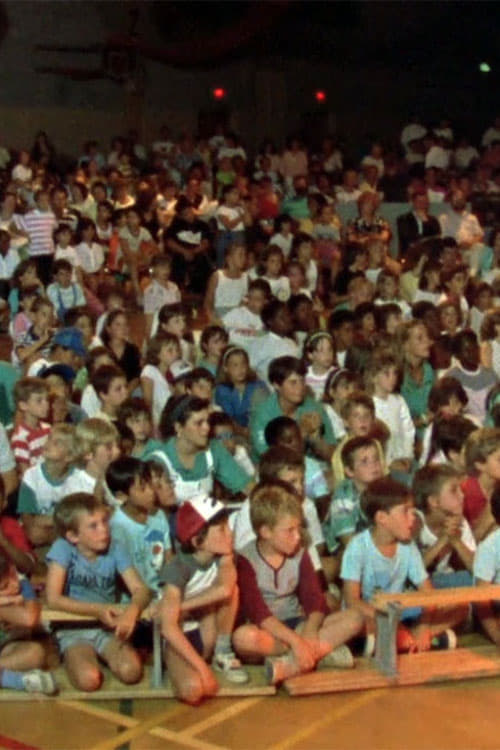
Le patro Le Prévost - 80 Years Later
Documentary
Overview
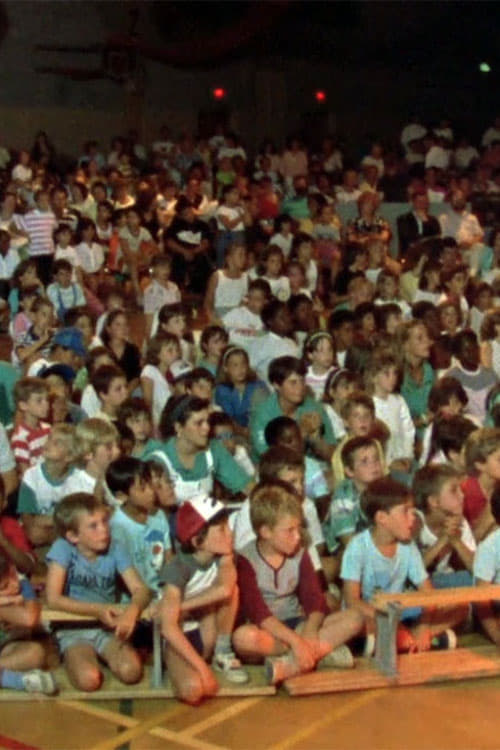
Alanis Obomsawin turns her lens to Le Patro Le Prévost, a recreational centre in the Villeray quarter of Montreal. On the eve of its 80th anniversary in 1989, Le Patro is a vital focal point in the predominantly working-class neighbourhood. Beloved by the many generations who use the facilities and partake in activities daily, Le Patro encourages a strong sense of togetherness through principles of cooperation, respect and sharing. Obomsawin presents a tender portrait of a neighbourhood of diverse residents and the community centre many of them consider a second home.

No cast information.
Similar Movies
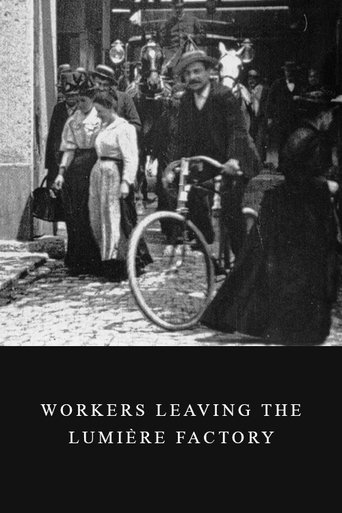
Working men and women leave through the main gate of the Lumière factory in Lyon, France. Filmed on 22 March 1895, it is often referred to as the first real motion picture ever made, although Louis Le Prince's 1888 Roundhay Garden Scene pre-dated it by seven years. Three separate versions of this film exist, which differ from one another in numerous ways. The first version features a carriage drawn by one horse, while in the second version the carriage is drawn by two horses, and there is no carriage at all in the third version. The clothing style is also different between the three versions, demonstrating the different seasons in which each was filmed. This film was made in the 35 mm format with an aspect ratio of 1.33:1, and at a speed of 16 frames per second. At that rate, the 17 meters of film length provided a duration of 46 seconds, holding a total of 800 frames.
Does privacy still exist in 2019? In less than a generation, the internet has become a mass surveillance machine based on one simple mindset: If it's free, you're the product. Our information is captured, stored and made accessible to corporations and governments across the world. To the hacker community, Big Brother is real and only a technological battle can defeat him.
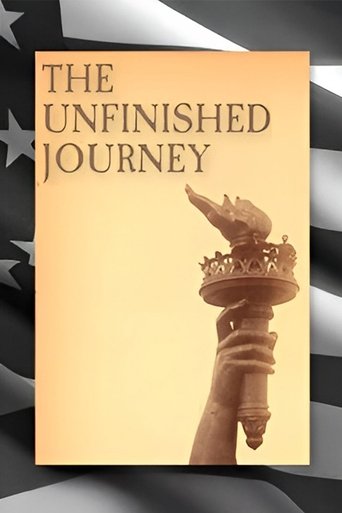
A multimedia short created for the U.S. millennium celebrations, The Unfinished Journey reflects on America’s history and spirit through six chapters—immigration, war, culture, civil rights, and innovation. Commissioned by President Bill Clinton and premiered at the Lincoln Memorial on New Year’s Eve 1999, the film features an original orchestral score by John Williams titled American Journey.
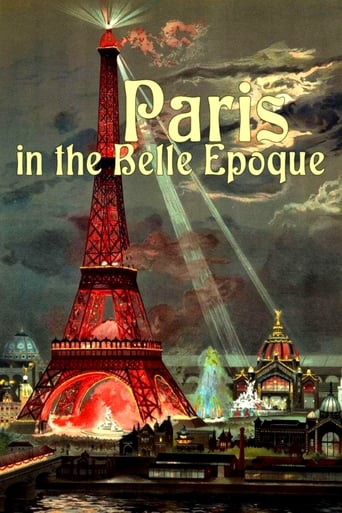
The Bokelberg photographic collection brings to life the Paris of the Belle Époque (1871-1914), an exhibition of workshops and stores with extremely beautiful shop windows before which the owners and their employees proudly pose, hiding behind their eyes the secret history of a great era.
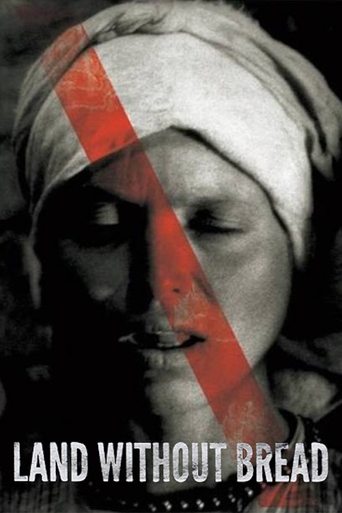
An exploration —manipulated and staged— of life in Las Hurdes, in the province of Cáceres, in Extremadura, Spain, as it was in 1932. Insalubrity, misery and lack of opportunities provoke the emigration of young people and the solitude of those who remain in the desolation of one of the poorest and least developed Spanish regions at that time.
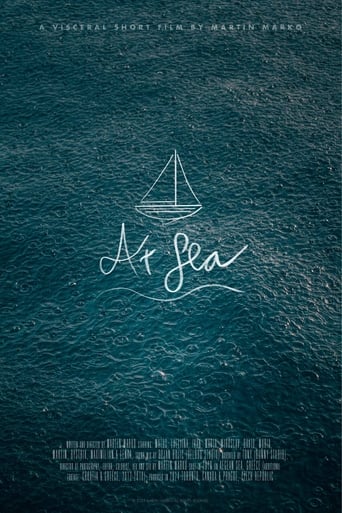
AT SEA is a visceral and poetic short film that blends docu-style realism with narrative fiction, following a group of faceless sailors navigating the unpredictable seas of Greece. Through the fragmented memories of an unreliable narrator, the film weaves together a non-linear story that shifts in mood with each chapter, offering a fresh perspective on the sea. Based on true events… almost.