

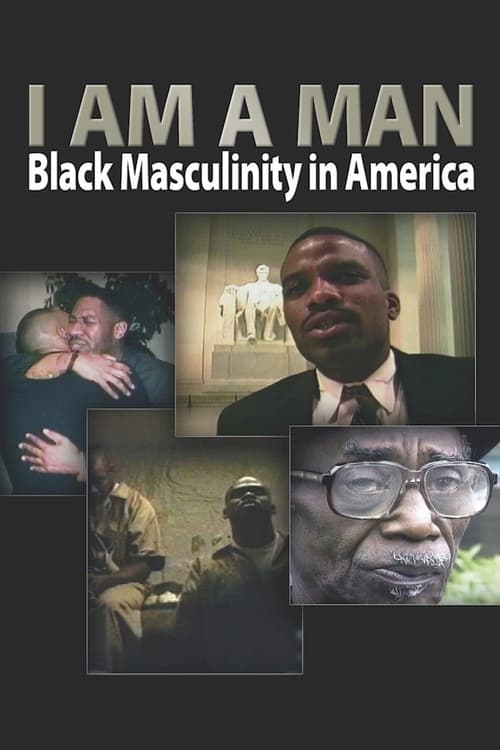
I Am a Man: Black Masculinity in America
Documentary
Overview
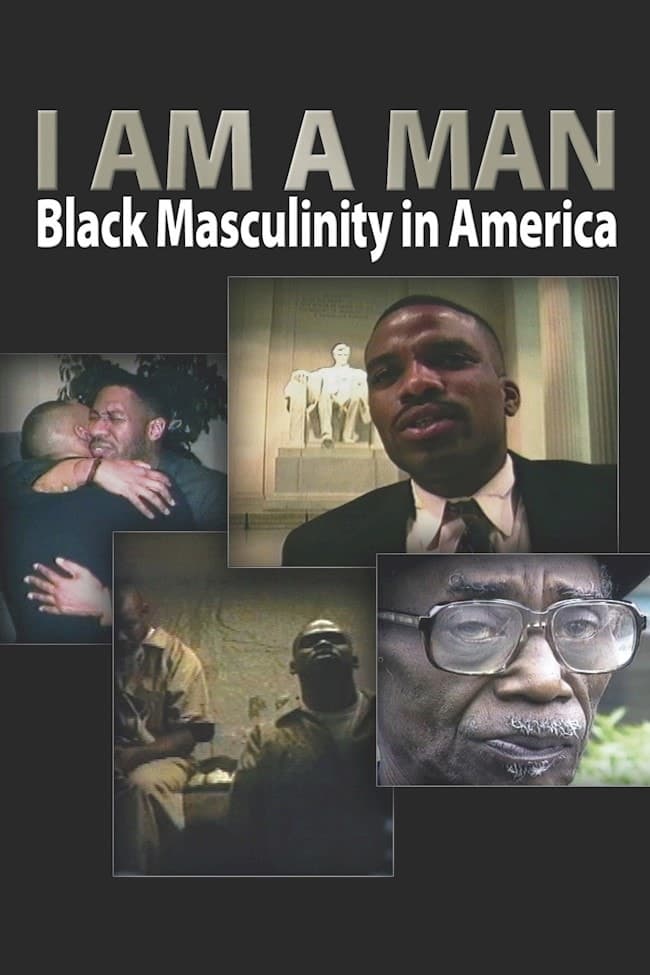
Award-winning filmmaker Byron Hurt explores what it means to be a Black man in America. Traveling to more than fifteen cities and towns across the country, Hurt gathers reflections on Black masculinity from men and women of a variety of socioeconomic backgrounds and a host of leading scholars and cultural critics. What results is an engaging and honest dialogue about race, gender, and identity in America. Features bell hooks, Michael Eric Dyson, John Henrick Clarke, Kevin Powell, Andrew Young, Dr. Alvin Poussaint, MC Hammer, Jackson Katz, and many others.








Byron Hurt
Byron Hurt
Self
Byron Hurt
Self
bell hooks
bell hooks
Self
bell hooks
Self

Michael Eric Dyson
Michael Eric Dyson
Self
Michael Eric Dyson
Self
John Henrik Clarke
John Henrik Clarke
Self
John Henrik Clarke
Self
Kevin Powell
Kevin Powell
Self
Kevin Powell
Self
Andrew Young
Andrew Young
Self
Andrew Young
Self
Alvin F. Poussaint
Alvin F. Poussaint
Self
Alvin F. Poussaint
Self
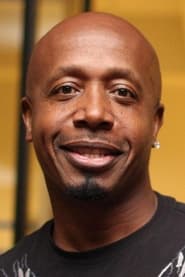
MC Hammer
MC Hammer
Self
MC Hammer
Self
Jackson Katz
Jackson Katz
Self
Jackson Katz
Self
Similar Movies
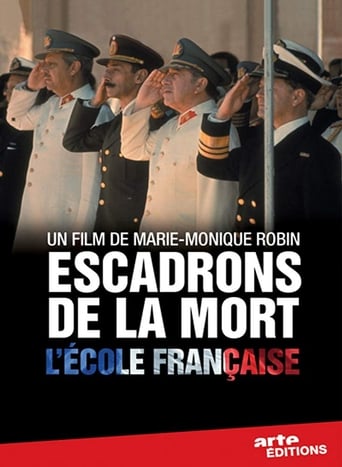
After the Battle of Algiers, France and its army exported, as true experts, anti-subversive methods to Latin America and the United States in the 1960s. After more than a year of investigation in Argentina , in Chile, Brazil, the United States and France, the director collected, sometimes under the cover of a hidden camera, recorded conversations, the exclusive testimonies of the main protagonists. From General Aussaresses to former Minister of the Armed Forces Pierre Messmer, including General Reynaldo Bignone (head of the military junta in Argentina from 1982 to 1984), General Albano Harguindéguy, General Manuel Contreras, and Generals John Johns and Carl Bernard, this investigation gives us a hidden reality of the country of Human Rights.
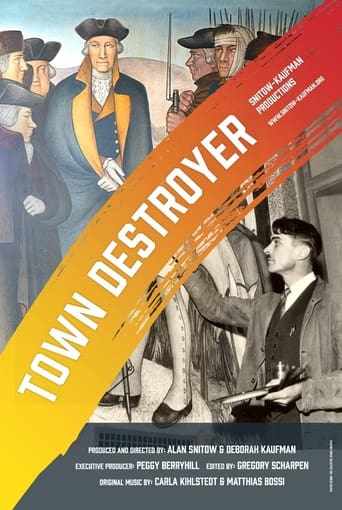
Controversy erupts over a New-Deal-era mural of the namesake of San Francisco’s George Washington High School. The thirteen-panel artwork "The Life of Washington" by Victor Arnautoff offers a view of the Founding Father both celebratory and critical, referencing his involvements in slavery and Native American genocide.
Free to Be…You and Me, a project of the Ms. Foundation for Women, is a record album, and illustrated book first released in November 1972, featuring songs and stories from many current celebrities of the day (credited as "Marlo Thomas and Friends") such as Alan Alda, Rosey Grier, Cicely Tyson, Carol Channing, Michael Jackson, and Diana Ross, among others. An ABC Afterschool Special using poetry, songs, and sketches, followed two years later in March 1974. The basic concept is to encourage a post-60's gender neutrality, while saluting values such as individuality, tolerance, and happiness with one's identity. A major thematic message is that anyone, whether a boy or a girl, can achieve anything.
NIN E TEPUEIAN - MY CRY is a documentary tracks the journey of Innu poet, actress and activist, Natasha Kanapé Fontaine, at a pivotal time in her career as a committed artist. Santiago Bertolino's camera follows a young Innu poet over the course of a year. A voice rises, inspiration builds; another star finds its place amongst the constellation of contemporary Indigenous literature. A voice of prominent magnitude illuminates the road towards healing and renewal: Natasha Kanapé Fontaine.
Rikkie Kollé will be the first trans woman to be crowned Miss Netherlands in July 2023. In addition to praise, 22-year-old Rikkie receives a remarkable amount of misunderstanding and hate reactions about herself. Fortunately, they have only strengthened her mission even more: being an example for young trans people and normalizing gender diversity. In a unique documentary, Miss Netherlands is followed on her way to the world stage in El Salvador where she is making a bid for the title of Miss Universe, with all the work, obligations and preparations that entails.
The decades-long debate surrounding reparations is fraught, mired in racial tension and the semantics of restorative justice. While the national conversation remains stalled due to legislative inaction, communities across the country examine their histories and take it upon themselves to arrange their own form of reparations. This detailed investigation of restitution presents accounts of everyday people confronting the past and exploring the possibilities of wealth transfer.
This documentary accompanies the journey of artists who exalt and celebrate ancestry and the orishas in their work. It also offers a manifesto against one of the biggest problems facing Brazil: religious racism. The feature brings together stories from music, theater, fashion, dance and the visual arts to promote reflection on the power and importance of black representation, art and diversity