

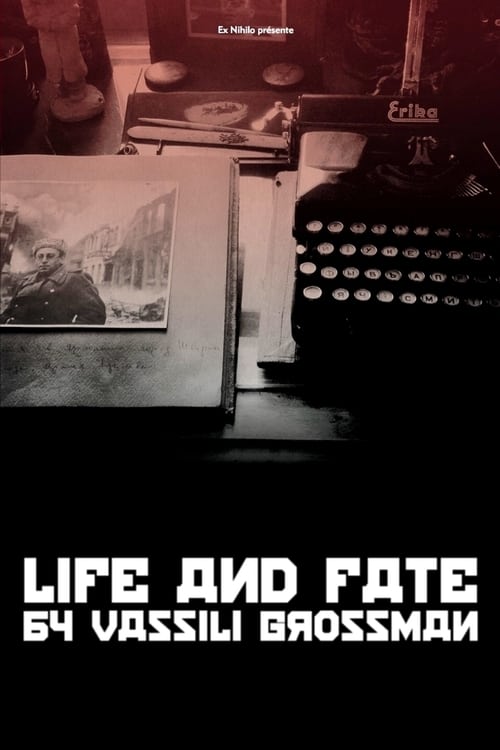
Life and Fate by Vassili Grossman
Documentary · History
Overview
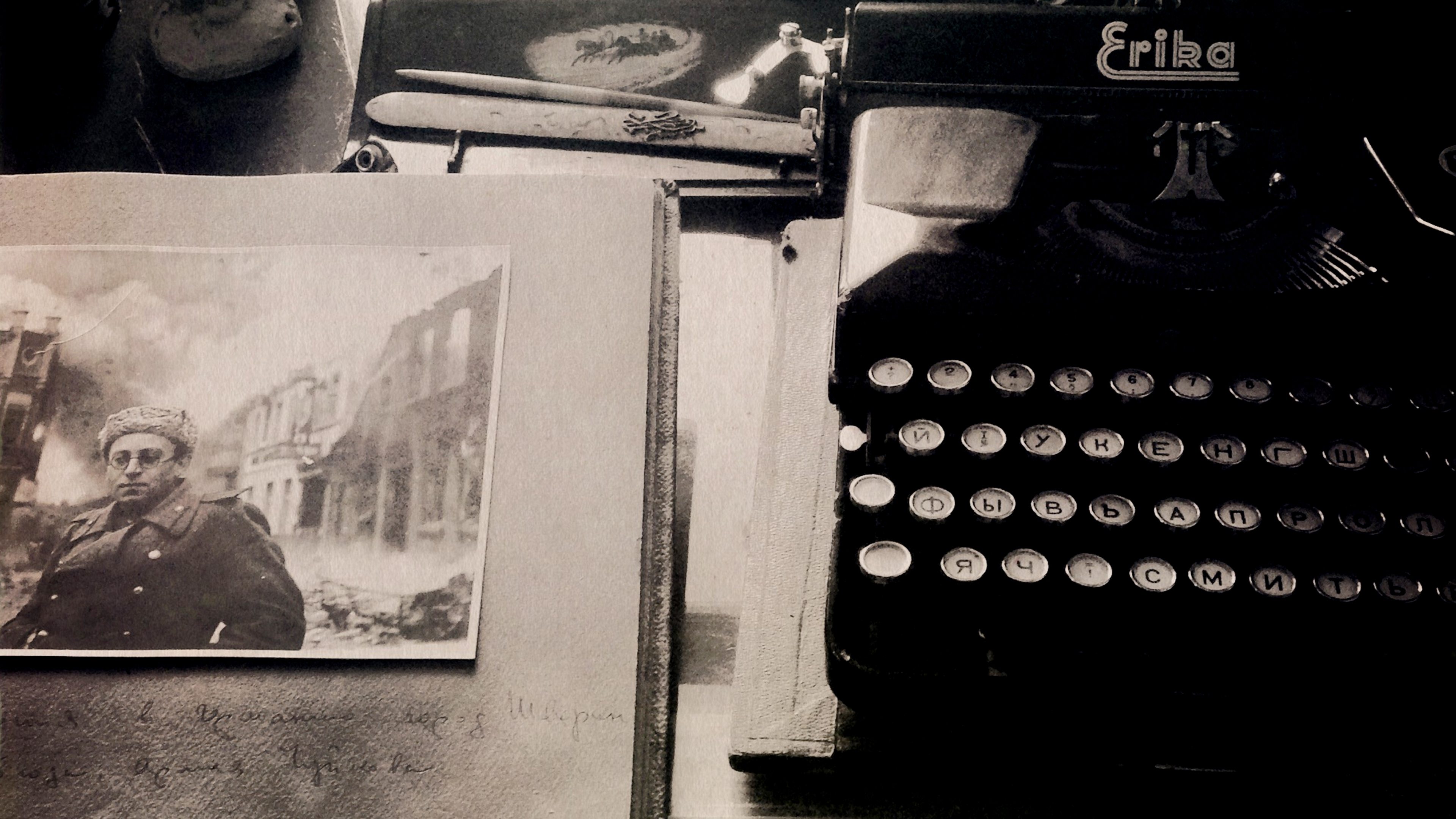
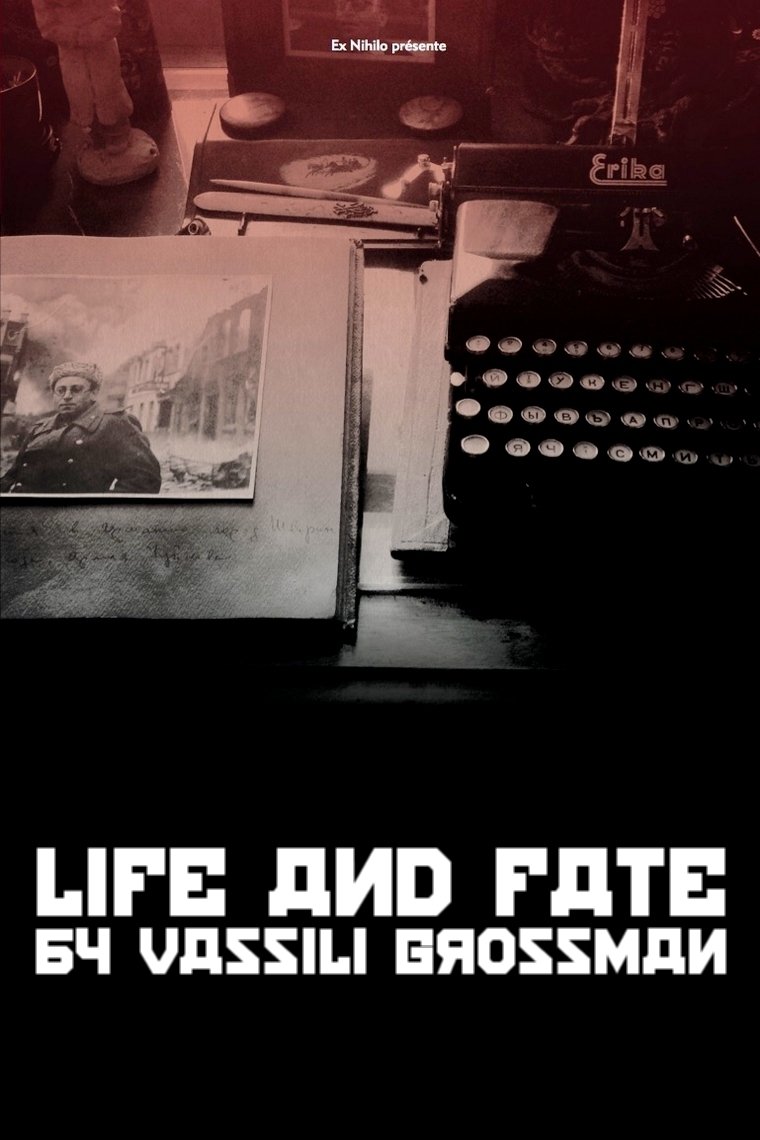
The convoluted and moving story of Russian writer Vassili Grossman (1905-64) and his novel Life and Fate (1980), a literary masterpiece, a monumental and epic account of life under Stalin's regime of terror, a defiant cry that the KGB tried to suffocate.
Top Cast

Elsa Lepoivre
Self - Narrator (voice)
Denis Podalydès
Self - Narrator (voice)
Olga Turbina
Self - Archivist
Fedor Guber
Self - Grossman's Son
Alexis Berelowitch
Self - Grossman's Translator
Ekaterina Korotkova-Grossman
Self - Grossman's Daughter
Olivier Rolin
Self - Writer
Vladimir Voinovich
Self - Writer
Anthony Beevor
Self - Historian
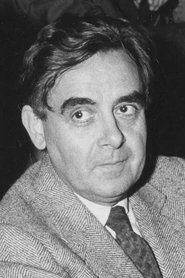
Bernard Pivot
Self - TV Host (archive footage)
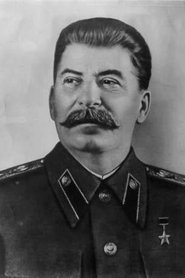
Joseph Stalin
Self - Politician (archive footage)
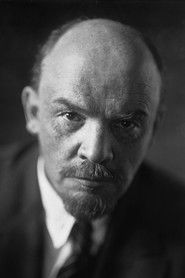
Vladimir Lenin
Self - Politician (archive footage)



Elsa Lepoivre
Elsa Lepoivre
Self - Narrator (voice)
Elsa Lepoivre
Self - Narrator (voice)
Denis Podalydès
Denis Podalydès
Self - Narrator (voice)
Denis Podalydès
Self - Narrator (voice)
Olga Turbina
Olga Turbina
Self - Archivist
Olga Turbina
Self - Archivist
Fedor Guber
Fedor Guber
Self - Grossman's Son
Fedor Guber
Self - Grossman's Son
Alexis Berelowitch
Alexis Berelowitch
Self - Grossman's Translator
Alexis Berelowitch
Self - Grossman's Translator
Ekaterina Korotkova-Grossman
Ekaterina Korotkova-Grossman
Self - Grossman's Daughter
Ekaterina Korotkova-Grossman
Self - Grossman's Daughter
Olivier Rolin
Olivier Rolin
Self - Writer
Olivier Rolin
Self - Writer
Vladimir Voinovich
Vladimir Voinovich
Self - Writer
Vladimir Voinovich
Self - Writer
Anthony Beevor
Anthony Beevor
Self - Historian
Anthony Beevor
Self - Historian
Bernard Pivot
Bernard Pivot
Self - TV Host (archive footage)
Bernard Pivot
Self - TV Host (archive footage)
Similar Movies
A biographical film about the life of the great Russian scientist, inventor of rocket technology and the founder of theoretical astronautics — Konstantin Tsiolkovsky, the hard spiritual work of the thinker, overcoming the stagnation of the surrounding and dramatic events of his family life.
Don Emilio is a humble, 63-year-old man who lives in the Amazon rainforest, seven miles from the city of Iquitos, Peru. For all of his adult life he has worked as a curandero and vegetalista, a traditional healer. He estimates that in his career he has treated more than 2,500 clients. Through the camera lens of anthropologist Luis Eduardo Luna, Don Emilio tells us about his practice, his beliefs, his community, and his life. He shows us how he prepares ayahuasca and other herbal medicines. Finally, we see Don Emilio treat a man who has come to him for help, and hear from a poor woman who has brought her infant son for medical care.
In August of 1949, Life Magazine ran a banner headline that begged the question: "Jackson Pollock: Is he the greatest living painter in the United States?" The film is a look back into the life of an extraordinary man, a man who has fittingly been called "an artist dedicated to concealment, a celebrity who nobody knew." As he struggled with self-doubt, engaging in a lonely tug-of-war between needing to express himself and wanting to shut the world out, Pollock began a downward spiral.
In the mid-1960s, wealthy debutant Edie Sedgwick meets artist Andy Warhol. She joins Warhol's famous Factory and becomes his muse. Although she seems to have it all, Edie cannot have the love she craves from Andy, and she has an affair with a charismatic musician, who pushes her to seek independence from the artist and the milieu.

When a devastating famine descended on Soviet Russia in 1921, it was the worst natural disaster in Europe since the Black Plague in the Middle Ages. Examine Herbert Hoover’s American Relief Administration—an operation hailed for its efficiency, grit and generosity. By the summer of 1922, American kitchens were feeding nearly 11 million Soviet citizens a day.

The Polish city of Łódź was under Nazi occupation for nearly the entirety of WWII. The segregation of the Jewish population into the ghetto, and the subsequent horrors are vividly chronicled via newsreels and photographs. The narration is taken almost entirely from journals and diaries of those who lived–and died–through the course of the occupation, with the number of different narrators diminishing as the film progresses, symbolic of the death of each narrator.
New York in the 1920s. Max Perkins, a literary editor is the first to sign such subsequent literary greats as Ernest Hemingway and F. Scott Fitzgerald. When a sprawling, chaotic 1,000-page manuscript by an unknown writer falls into his hands, Perkins is convinced he has discovered a literary genius.
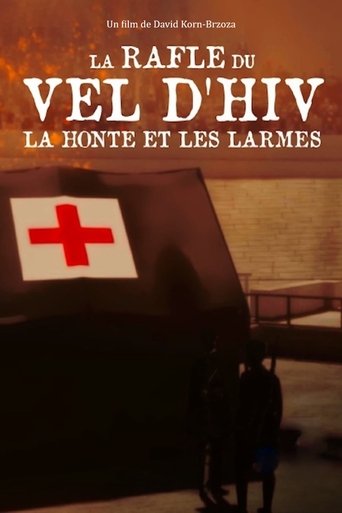
In 1942, more than 8,000 Jews were arrested on 16 and 17 July and sent to the Vélodrome d'Hiver sports center in the 15th district, a stone's throw from the Eiffel Tower, before being deported. The expression "Vel d'Hiv round-up" has become part of our collective memory, to the point of becoming the main memorial reference point for France during the dark years. Based on research carried out in unpublished or rarely explored archives, this film retraces the history of this roundup as experienced by hunted Jews and police trackers, from its planning in the Vichy offices to its hour-by-hour unfolding in the streets of Paris.