

Esperanza
Documentary
Overview
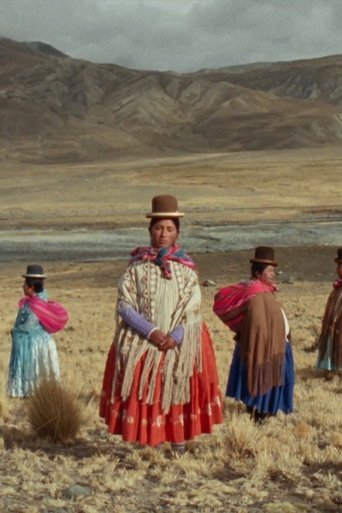
A day in the life of Esperanza, a Quechua girl who lives in the remote mountains of southwestern Bolivia.





No cast information.
Similar Movies

Danger, toil, and superstition pervade life in a mining town high up in the Bolivian mountains. Tin is the heartbeat of the community providing jobs and livelihoods - but at considerable cost. With deaths commonplace, people make offerings to El Tio, the devil under the earth, for protection and good fortune. But when the mountain's flow of tin ebbs, further measures must be taken...
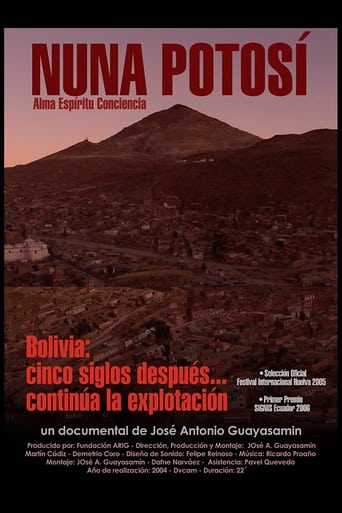
In the rich hill of Potosí in Bolivia there is a silver mine that was the largest in the world. It has been exploited since 1546 with the arrival of the Spanish who enslaved the indigenous people to steal the precious metal. To this day, hundreds of meters underground, the indigenous miners continue to exploit the mine in extremely precarious conditions, Martín Cádiz is one of them; hi works in the depths of the hill and desires that his children do not enter these tunnels of hell.
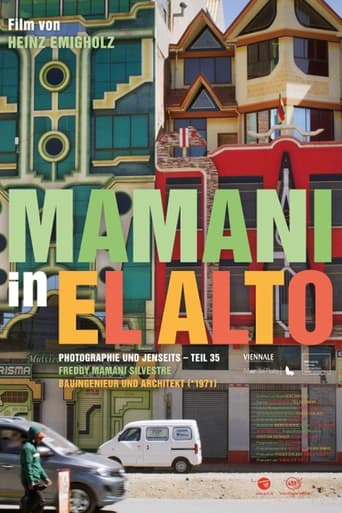
His buildings are garish, colorful and completely overloaded. Columns and glittering chandeliers everywhere, and way too much of everything. The Bolivian civil engineer and architect Freddy Mamani Silvestre (*1971) builds houses in El Alto for a nouveau riche upper class of the Aymara, the largest indigenous ethnic group in Bolivia.
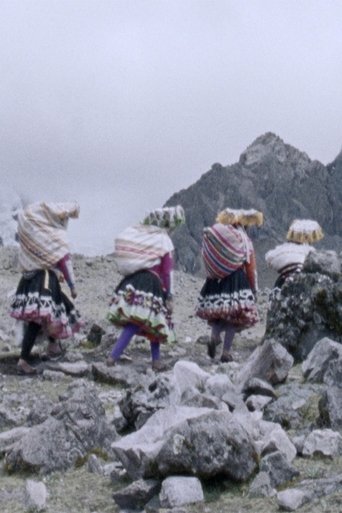
Aggregate States of Matters highlights the ambiguous relationship between humans and nature. For her new 35mm film shot in Peru, Rosa Barba worked with communities that are affected by the melting of a glacier and geological time becoming exposed. Barba shows the slow disappearance of the glacier and the perception of this fact within the Quechuan population in the Andes. While exploring different local myths, she outlines the possibility of translating ancient knowledge into the present time.
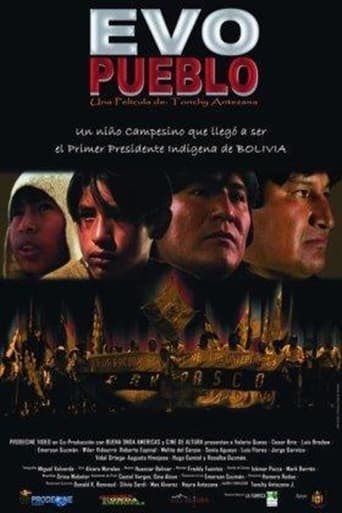
This is the history of a young farmer of the Bolivian plateau that becomes the first indigenous president of Bolivia. His childhood consists of shepherding ewes in the small school located in Orinoca where he befriends Reneco and Jamie, as well as his first love Wilma. All of them partake in different stages of each others lives. At the young age of 17 he is transferred to Oruro mining city in the heat of the Bolivian plateau. In order to survive he will have to work as a brick maker, baker, and trompetista in the Imperial band. The poverty and continuous droughts in the Moral field force the family Ayma to migrate towards the cochabambino tropic. In the tropical Chapare, Evo will become the biggest coca grower, soon to be delegated and win in the elections for president in 2005 with 54% votes. Evo Pueblo depicts the reality of our country, accounting for the common man that inhabits Bolivia through his fights, joys, poverty, exclusion and marginamiento.

Single father and Cusco radio host Fernando shares a modest yet endearing hobby with his son: dubbing classic animated clips into Quechua, an Indigenous language spoken by a relatively small population. When one of their dubs unexpectedly goes viral, a private passion transforms into something far more ambitious and meaningful.
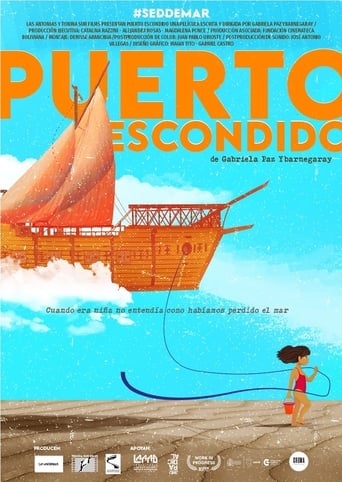
In 1879, Bolivia lost its access to the sea in a war. When I was a child I did not understand how we had lost it; he thought the Chileans had taken him away in buckets. It is a diary towards interior landscapes, myths, characters and contradictions in a country that relives this loss every day.