

Bischofferode. Das Treuhand Trauma
Documentary
Overview
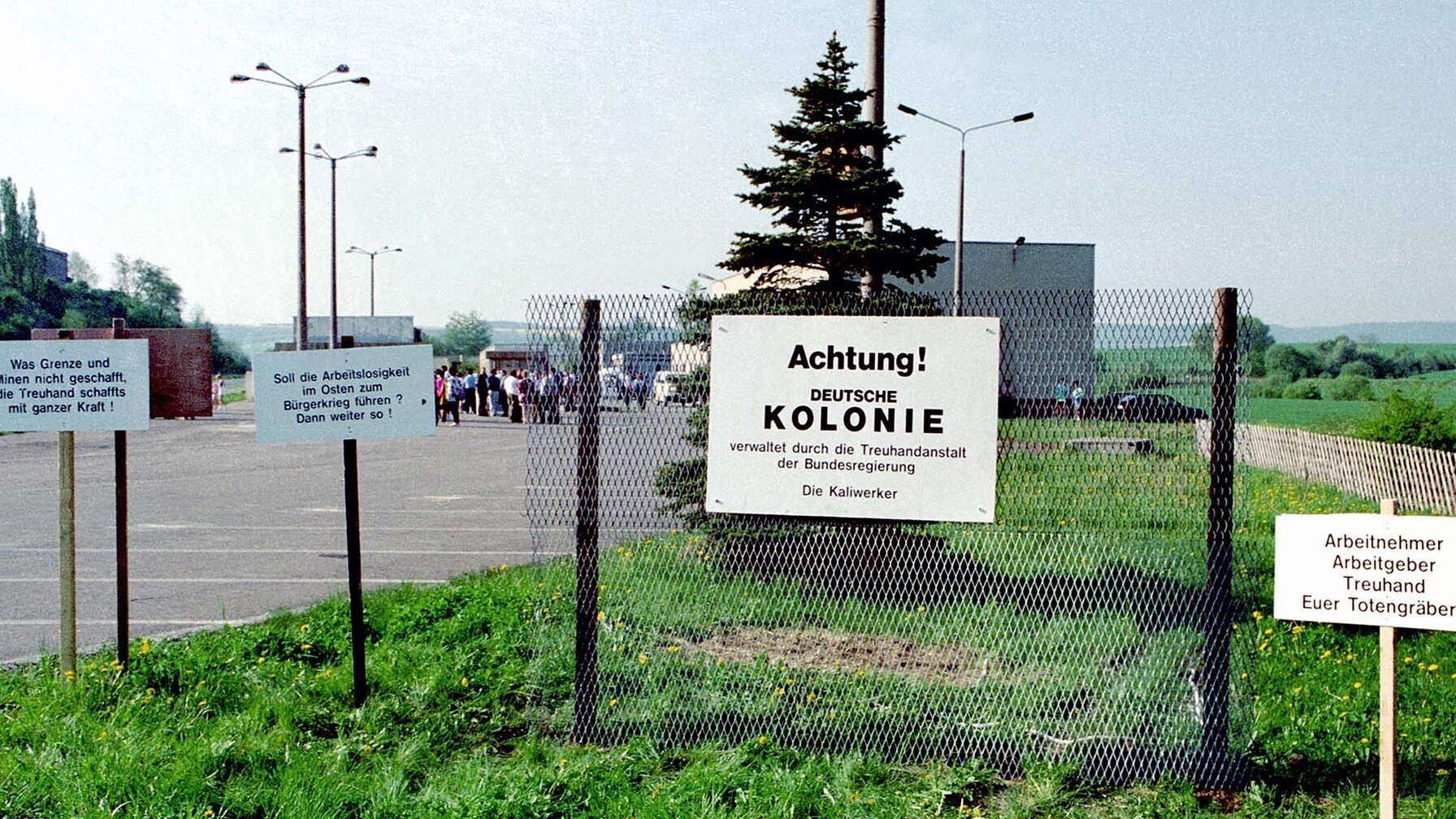
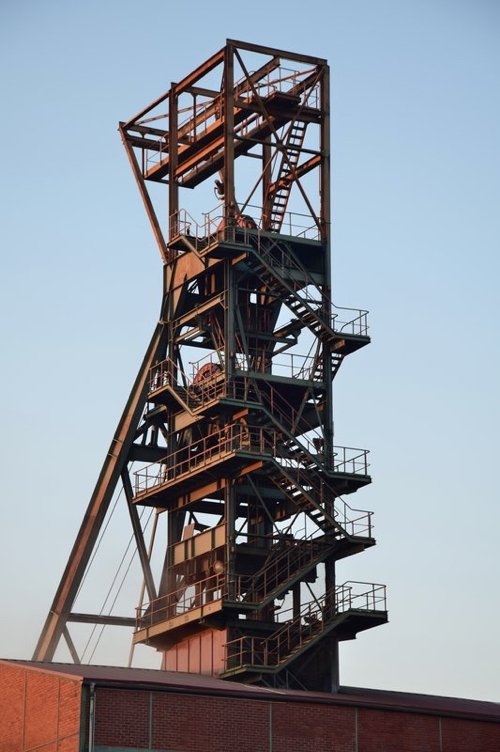
In 1990, when Bischofferode entered the market economy, potash production in East Germany was in third place in the world's export ranking and in West Germany in fourth place. Bischofferöder Kalisalz is of a special quality and the plant therefore had loyal customers in Western Europe, especially in Scandinavia, even before the fall of the Wall. In the West, there is a major competitor - BASF subsidiary Kali und Salz AG from Kassel. The film reconstructs the mega-deal in one of the world's most important raw materials markets. The so-called potash merger was the biggest economic deal of German reunification, which has cost the taxpayer almost two billion euros to date. The Free State of Thuringia - the federal state with the best potash deposits in Germany - is still the big loser of the mega-deal today. Thuringia may be rich, but it loses almost all its potash mines, along with Bischofferode, and now has to spend millions of euros each year to rehabilitate and secure its mines.




No cast information.
Similar Movies
Four men from a nomadic Tibetan tribe undertake their annual, ritualistic pilgrimage to a sacred salt lake. Salt gathered in this traditional fashion will be sold to provide the economic livelihood of the tribe for the coming year. The journey, necessary for the group's survival, also incorporates a number of rituals necessary for their culture to survive in the modern world.
In Nevada’s remote Thacker Pass, a fight for our future is playing out between local Indigenous tribes and powerful state and corporate entities hellbent on mining the lithium beneath their land. Vancouver-based Lithium Americas is developing a massive lithium mine at Thacker Pass, but for more than two years several local tribes and environmental organizations have tried to block or delay the mine in the courts and through direct action.
This film undertakes a journey into the amazing parallel universe of East Berlin’s fashion designers and experts in the art of survival. For, in the midst of the constraints of life in the GDR, there existed a fantasy world where it was possible to dance to another tune, be individual and even provocative. The most important characteristic of this bohemian scene was one’s per- sonal style. But this certainly wasn’t something that could be bought off the peg in the GDR. In this parallel universe it was up to you to create your own individual image – with your own hands. This film tells the story of the desires, the passion and the dreams that were tried and tested, lived and performed in the shadow of the Berlin Wall.
Narrated by Academy Award winners Sissy Spacek and Herbie Hancock, River of Gold is the disturbing account of a clandestine journey into Peru's Amazon rainforest to uncover the savage unraveling of pristine jungle. What will be the fate of this critical region of priceless biodiversity as these extraordinarily beautiful forests are turned into a hellish wasteland?
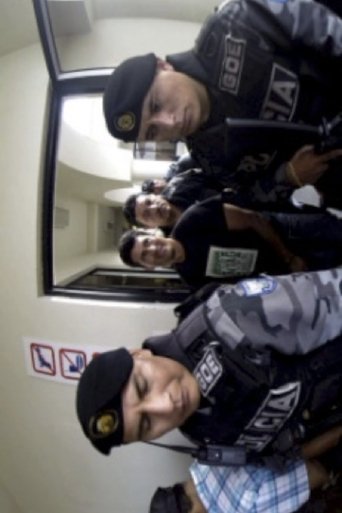
On April 10, 2014, the environmental activist and president of the Junín community, Javier Ramírez, was arrested and sentenced to ten months in prison for the crimes of “rebellion, sabotage and terrorism”. A few days later, the National Mining Company entered the area accompanied by a squad of at least 200 policemen to carry out studies related to the Llurimagua mining project, in the Íntag cloud forest. Javier with I, Íntag collects Javier Ramírez's reflections after his release, his feeling of condemned innocence, the pain of living in a divided, busy and frightened community, with its social fabric destroyed.
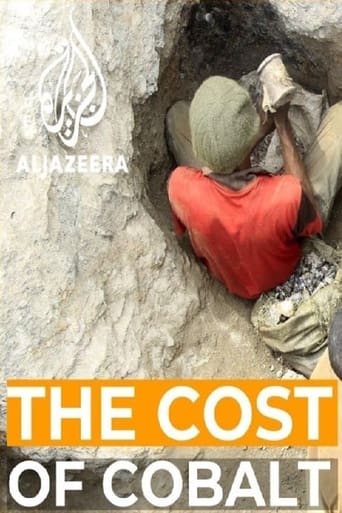
In the cobalt mining areas of Katanga in the Democratic Republic of the Congo (DRC), babies are being born with horrific birth defects. Scientists and doctors are finding increasing evidence of environmental pollution from industrial mining which, they believe, may be the cause of a range of malformations from cleft palate to some so serious the baby is stillborn. More than 60% of the world’s reserves of cobalt are in the DRC and this mineral is essential for the production of electric car batteries, which may be the key to reducing carbon emissions and to slowing climate change. In The Cost of Cobalt we meet the doctors treating the children affected and the scientists who are measuring the pollution. Cobalt may be part of the global solution to climate change, but is it right that Congo’s next generation pay the price with their health? Many are hoping that the more the world understands their plight, the more pressure will be put on the industry here to clean up its act.