

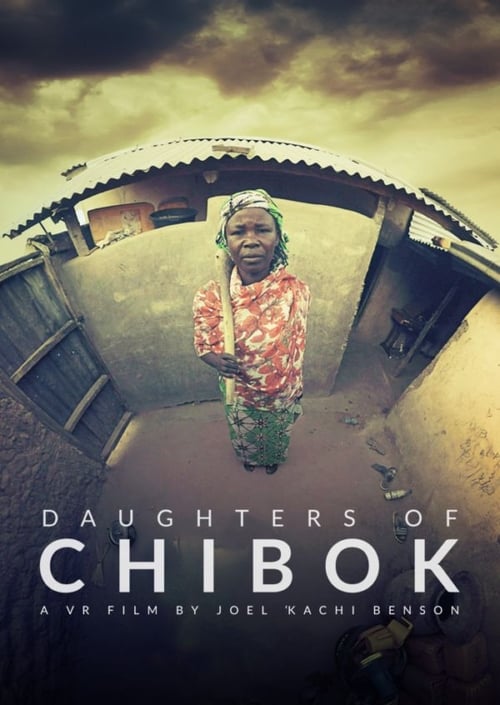
Daughters of Chibok
Documentary
Overview
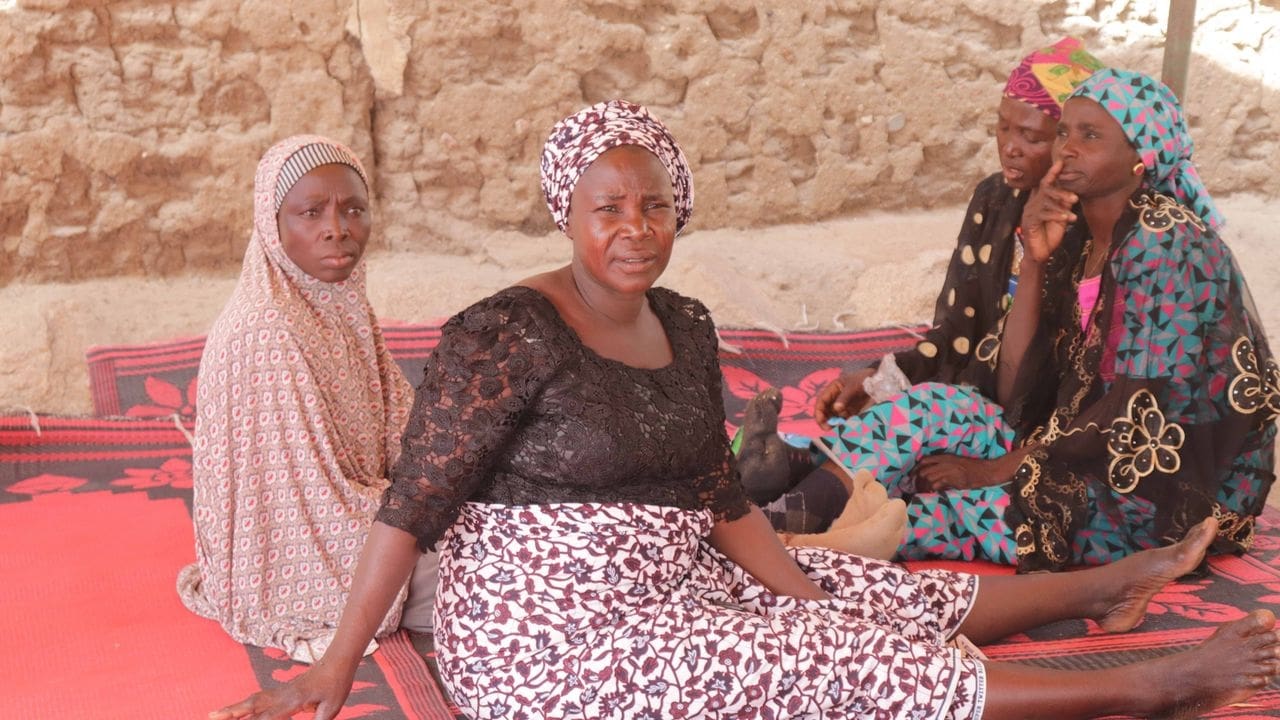
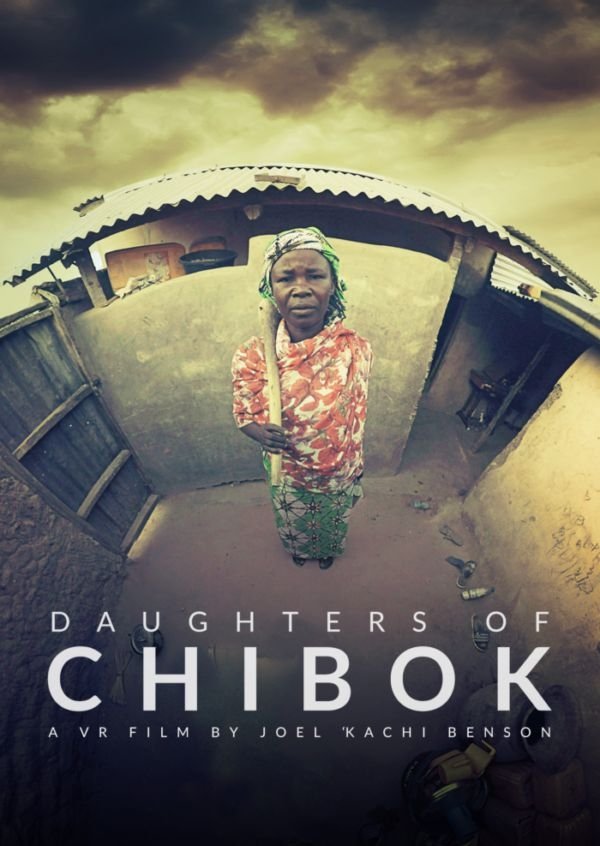
On April 14, 2014, the sleepy agrarian town of Chibok, in the North East zone of Nigeria, was thrust into the global spotlight when the terrorist group Boko Haram stormed the community at night and abducted 276 teenage schoolgirls from their dormitories. Daughters of Chibok deals with the aftermath of the kidnappings, and explores topical global issues of gender rights and the right to education.









No cast information.
Similar Movies

In 1967, de Andrade was invited by the Italian company Olivetti to produce a documentary on the new Brazilian capital city of Brasília. Constructed during the latter half of the 1950s and founded in 1960, the city was part of an effort to populate Brazil’s vast interior region and was to be the embodiment of democratic urban planning, free from the class divisions and inequalities that characterize so many metropolises. Unsurprisingly, Brasília, Contradições de uma Cidade Nova (Brasília, Contradictions of a New City, 1968) revealed Brasília to be utopic only for the wealthy, replicating the same social problems present in every Brazilian city. (Senses of Cinema)
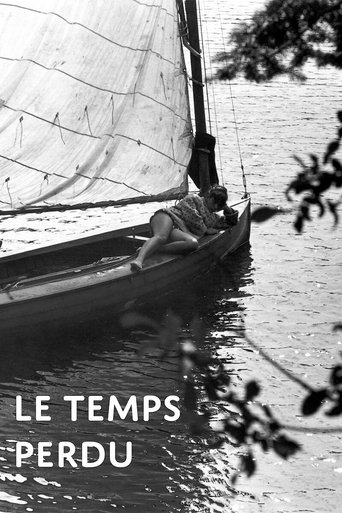
A 16 year old girl recalls the last moments of her summer vacation, spent with friends in the Laurentians north of Montreal. She reminisces about their talks on life, death, love, and God. Shot in direct cinema style, working from a script that left room for the teenagers to improvise and express their own thoughts, the film sought to capture the immediacy of the youths presence their bodies, their language, their environment.
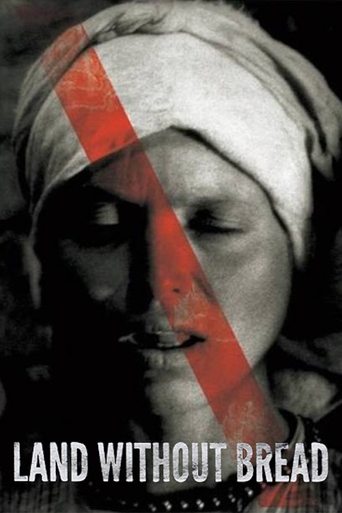
An exploration —manipulated and staged— of life in Las Hurdes, in the province of Cáceres, in Extremadura, Spain, as it was in 1932. Insalubrity, misery and lack of opportunities provoke the emigration of young people and the solitude of those who remain in the desolation of one of the poorest and least developed Spanish regions at that time.
AT SEA is a visceral and poetic short film that blends docu-style realism with narrative fiction, following a group of faceless sailors navigating the unpredictable seas of Greece. Through the fragmented memories of an unreliable narrator, the film weaves together a non-linear story that shifts in mood with each chapter, offering a fresh perspective on the sea. Based on true events… almost.
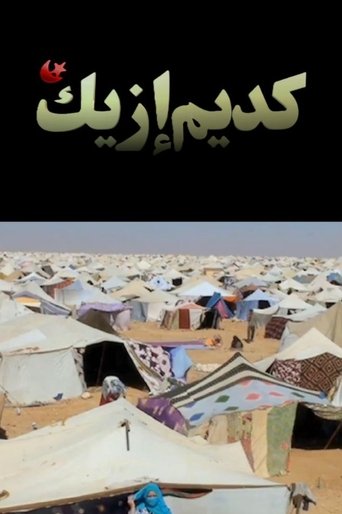
abel and Antonio are human rights activists. They were awoke by the loud noise of sirens and the roar of thousands of screamings. They picked what they could, between what was the camcorder. They switched it on and started recording what their eyes could not believe: the savage assault and destruction of the largest protest camp ever raised in the Sahara: Gdeim Izik. Tried to contact international press but their satellite phone had been disabled. Antonio and Isabel had to find a way to show these images to the world. It wouldn't be easy. They would have to spend nine days hidden in a safe house during one of the most obscure incidents in the Moroccan history.